How Humpback Whales Use Coastal Waters and Bays
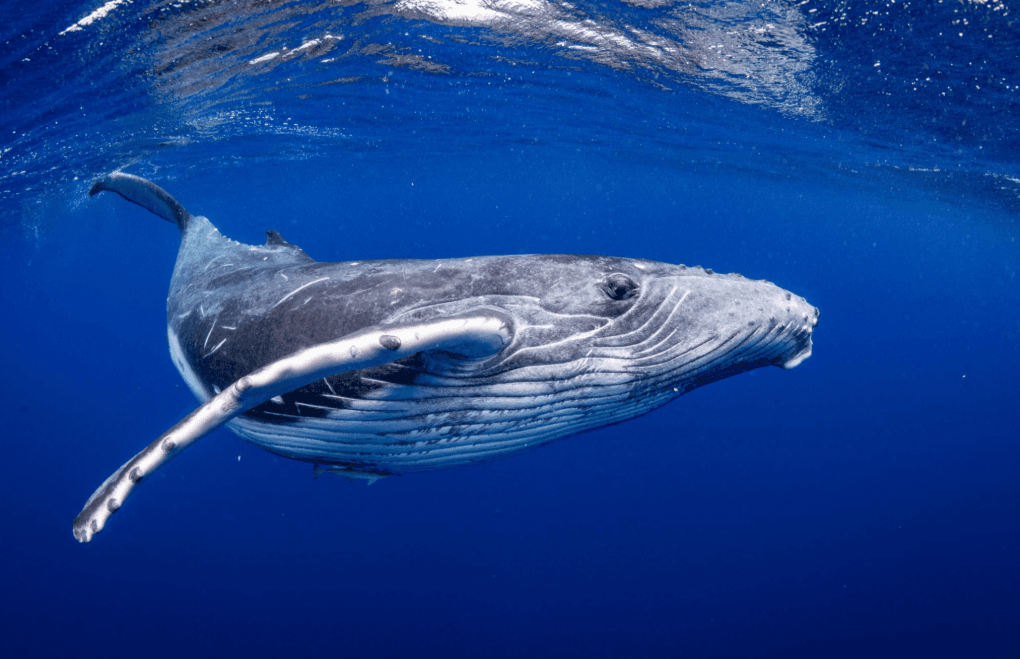
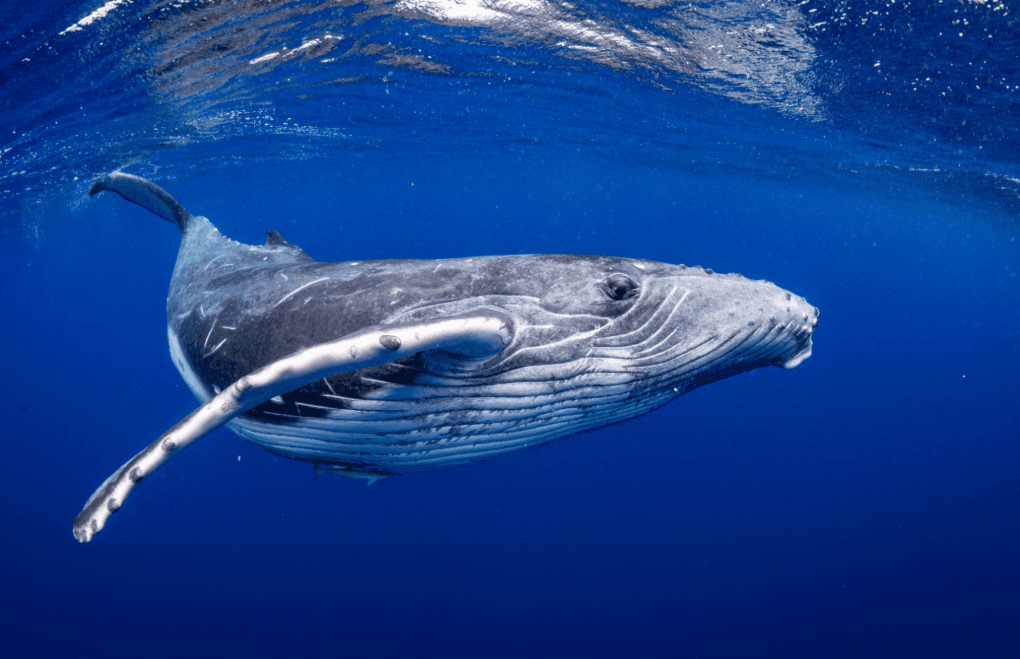
Coastal waters are among the most fascinating marine environments to explore, especially when learning about humpback whales. These enormous marine mammals travel across ocean basins, visit tropical breeding regions, and move through different marine habitats during their lives. Bays and coastal areas can be important parts of this journey, although not every coastal habitat is suitable for whales.
For visitors planning a whale-watching trip to Samaná in the Dominican Republic, understanding these environments provides a deeper appreciation of the whales and the waters they inhabit.
In this guide, we will explore how humpback whales use coastal waters, what makes bays different from estuaries and lagoons, and why protecting these marine environments matters.
What Are Coastal Waters?
Coastal waters are marine areas located near the edges of continents and islands. They include the waters around beaches, rocky shorelines, offshore reefs, bays, and other coastal landforms.
Unlike the open ocean, coastal environments are often influenced by nearby land. Waves, currents, freshwater runoff, underwater geography, and human activity can all affect local conditions.
For marine mammals such as humpback whales, coastal waters can provide routes through important migration regions and access to breeding habitats. However, whales do not use every coastal area in the same way. Their presence depends on factors such as water depth, habitat conditions, seasonal movements, and access to suitable marine space.
Some coastal waters are relatively sheltered, while others are exposed to strong waves and ocean currents. These differences influence both wildlife activity and the experience of people observing whales from boats.
Why Do Humpback Whales Visit Coastal Regions?
Humpback whales undertake long seasonal migrations between feeding grounds and breeding areas. Many populations feed in colder, productive waters and travel toward warmer tropical or subtropical regions to reproduce and care for their calves.
During the breeding season, whales may be observed in coastal waters, offshore areas, and bays that form part of their seasonal habitat.
Several factors can influence their use of these regions:
- Breeding and calving: Certain warm-water regions provide important seasonal habitat for mothers and young calves.
- Shelter from exposure: Some bays offer relatively sheltered conditions compared with nearby open waters, although local conditions vary.
- Movement between habitats: Coastal corridors may form part of the routes whales travel while moving through a region.
- Social behavior: Breeding areas can host interactions between individual whales, including courtship and competition.
It is important not to assume that all whales enter shallow water or remain close to shore. Humpback whales can occupy different depths and distances from land depending on the location and their behavior.
What Makes a Bay Different From the Open Ocean?
A bay is a body of water partly surrounded by land. Its shape and geography can influence wave exposure, currents, water movement, and the distribution of marine life.
The open ocean is generally more exposed to large-scale oceanic conditions. Coastal bays, in contrast, may have more localized patterns of circulation and shelter.
For whale watching, these differences can affect how boats travel and how easily passengers can observe whales. Nevertheless, calm conditions are never guaranteed, and a sheltered bay can still experience wind, waves, and changing weather.
Samaná Bay is a notable coastal setting in the Dominican Republic. Its surrounding peninsula and coastal geography make it a distinctive location for seasonal whale-watching excursions.
During the annual humpback whale season, visitors may have opportunities to observe whales in the broader waters of the bay and nearby marine areas. Exact sighting locations vary, so a tour should never promise that whales will appear at a particular point.
Are Estuaries and Lagoons the Same as Bays?
Although these environments may appear similar on a map, they have different physical characteristics.
Bays
A bay is a coastal body of water partly enclosed by land. Bays vary greatly in size, depth, exposure, and connection to the open sea.
Some are important marine habitats and migration areas. Whether humpback whales regularly use a particular bay depends on local ecological conditions and the behavior of the whale population.
Estuaries
An estuary is an area where freshwater from rivers mixes with seawater. This creates changing salinity conditions and supports distinctive ecosystems, including habitats used by fish, birds, crustaceans, and other organisms.
Estuaries are not automatically suitable habitats for humpback whales. Many are too shallow, narrow, or restricted for these large marine mammals to use regularly. A nearby estuary may be ecologically important without being a typical whale habitat.
Lagoons
A lagoon is a relatively shallow body of water separated partly from the sea by a barrier such as a sandbar, reef, or narrow strip of land. Lagoons can have limited connections to the open ocean and may experience substantial changes in water depth and salinity.
Because of these characteristics, many lagoons are not appropriate habitats for large whales. The term should not be used interchangeably with a deep coastal bay.
Understanding these distinctions helps travelers interpret maps and marine wildlife information more accurately.
Why Samaná Bay Matters During Whale Season
Samaná Bay is widely recognized as a seasonal destination for observing North Atlantic humpback whales. These whales travel to Caribbean breeding grounds during the winter breeding season, and the waters around the Samaná region provide opportunities to see them.
The bay's importance is connected to the broader seasonal ecology of humpback whales rather than to a single feature of its coastline.
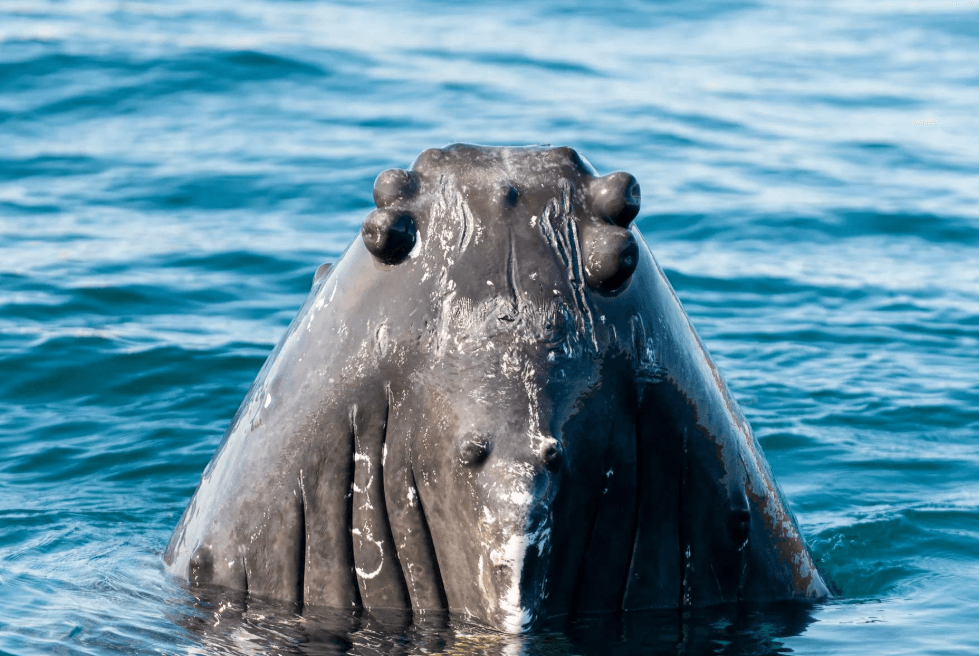
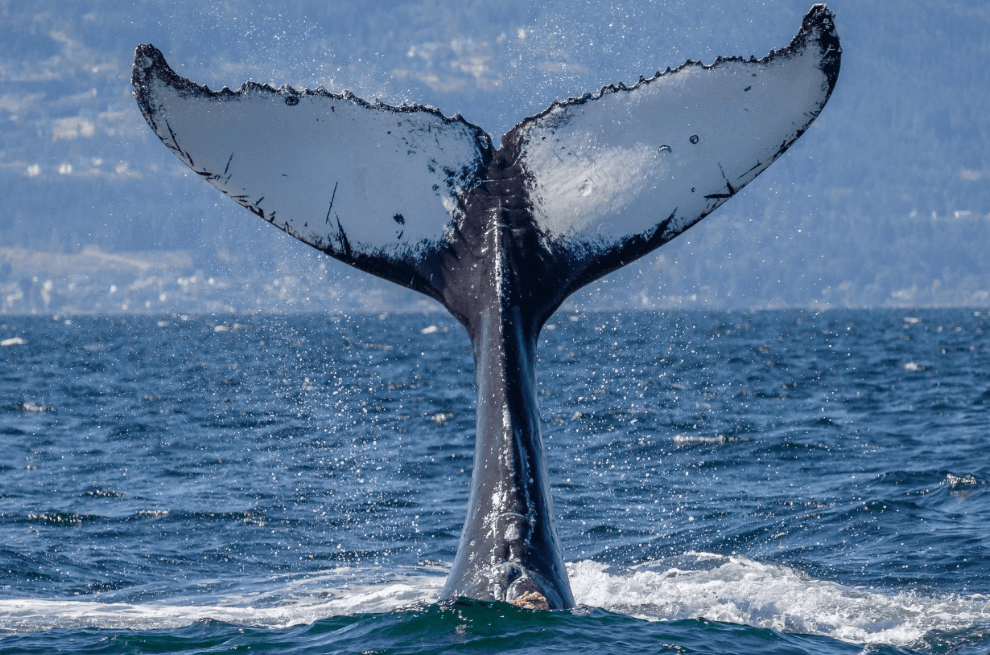
During whale season, visitors may encounter different behaviors, including surfacing, tail-fluking, breaching, and interactions between whales. Mothers and calves may also be observed, depending on local conditions and the whales present.
Not every excursion produces the same experience. Whale sightings depend on animal movements, weather, sea conditions, and the duration and location of the trip.
Travelers should choose responsible operators that follow applicable whale-watching regulations and maintain appropriate distances from the animals.
How Coastal Conditions Affect Whale Watching
Coastal geography can shape the experience of a whale-watching trip in several ways.
Water movement and visibility
Currents and wave conditions affect boat movement. Water clarity can also change with rainfall, sediment, and local circulation. Clear water does not necessarily mean whales will be easier to find because observers usually look for whales at the surface.
Wind and waves
Wind can create choppy conditions even within a bay. Stronger waves may make it more difficult for passengers to watch the water comfortably.
Before departure, check the tour operator's weather guidance and ask whether the trip may be changed or canceled because of unsafe conditions.
Boat routes
Operators may adjust routes according to sea conditions, reports of whale activity, and the locations where sightings are permitted. The route should prioritize safe navigation and responsible wildlife observation.
Seasonal wildlife activity
Whale presence changes throughout the season. A location that produces sightings on one day may be quiet on another, because whales are mobile animals rather than fixed attractions.
How Whales and Coastal Ecosystems Are Connected
Coastal ecosystems support many forms of marine life. Mangroves, seagrass beds, reefs, wetlands, and nearshore waters provide habitat for different species, although their distribution varies by location.
Humpback whales are part of this wider marine environment, but their ecological role should be understood in context. They are not dependent on mangrove forests or estuaries in the same way that many small coastal species are.
Instead, humpback whales use extensive marine habitats across their migration routes and seasonal ranges. Their movements connect distant ecosystems, while their feeding, reproduction, and other natural activities contribute to the broader marine food web.
Protecting coastal environments can benefit the many species that depend on them. It can also help maintain healthy marine conditions in areas where whales travel or breed.
Threats to Whales in Coastal Waters
Coastal regions are often heavily used by people. Shipping, fishing, tourism, pollution, and coastal development can create risks for marine wildlife.
Potential threats include:
- Vessel strikes: Collisions with boats and ships can injure or kill whales.
- Entanglement: Fishing gear can trap whales and interfere with swimming, feeding, or other natural activities.
- Underwater noise: Vessel engines and other human-generated sounds can affect the acoustic environment.
- Pollution: Plastic waste, chemicals, and other pollutants can damage marine ecosystems.
- Disturbance from tourism: Poorly managed whale watching can interfere with natural behavior.
Responsible tourism can help reduce these risks. Operators should follow local regulations, respect whale-watching distances, avoid aggressive pursuit, and allow animals to move freely.
Visitors can contribute by choosing reputable tours, following crew instructions, and never throwing rubbish into the sea.
What Travelers Should Know Before a Samaná Whale-Watching Tour
If you are planning a visit to Samaná during whale season, learning about coastal habitats can make the trip more meaningful.
First, remember that a whale-watching excursion takes place in a natural environment. Whales may surface briefly, disappear underwater, or move to another area.
Second, select an operator that explains its safety procedures and wildlife-observation practices. Ask about departure arrangements, the expected duration, weather policies, and what happens if conditions are unsuitable.
Third, prepare for the marine environment. Bring sun protection, drinking water, and any personal items recommended by your tour operator. If you are sensitive to motion, consider asking a healthcare professional or pharmacist about suitable seasickness precautions before your trip.
Finally, approach the experience with patience. The aim is not simply to take a photograph but to observe wild animals without interfering with them.
Frequently Asked Questions
Do humpback whales live in coastal waters all year?
No. Many humpback whale populations migrate seasonally between feeding and breeding regions. The timing and routes vary among populations, and whales may spend different parts of the year in different marine environments.
Is Samaná Bay an estuary?
Samaná Bay is a coastal bay. It should not be described as an estuary simply because rivers and freshwater systems occur in the wider region. An estuary specifically involves freshwater mixing with seawater.
Do humpback whales prefer shallow water?
There is no single depth that all humpback whales prefer. Their habitat use varies with season, location, behavior, and local conditions. They can be found in coastal waters as well as deeper marine areas.
Can I see whales close to the beach in Samaná?
Sightings near shore are not guaranteed. Whale-watching excursions generally travel to areas where sightings are possible and permitted. The distance from shore depends on whale movements and conditions on the day.
Why is coastal habitat protection important?
Healthy coastal and marine environments support many species and help maintain ecological connections. Reducing pollution, vessel risks, fishing-gear hazards, and disturbance can benefit whales and other marine wildlife.
Final Thoughts
Coastal waters and bays form part of the varied marine environments used by humpback whales during their seasonal movements. Bays, estuaries, lagoons, and open-ocean habitats have different characteristics, and understanding those differences helps explain why whales use some areas more than others.
For travelers visiting Samaná, this knowledge adds another layer to the whale-watching experience. Every sighting becomes an opportunity to appreciate the relationship between whales, the sea, and the wider coastal landscape.
Choose responsible whale-watching tours, respect wildlife regulations, and remember that the best encounters allow whales to behave naturally without unnecessary disturbance.

Local explorer & expert guide in Whales of Samaná.