What Happens on a Samaná Whale-Watching Tour A Step-by-Step Guide
Booking a whale-watching excursion in Samaná is an opportunity to experience one of the Caribbean's most remarkable wildlife encounters. Each year, humpback whales migrate to Dominican Republic waters during their breeding season, making Samaná Bay a popular destination for travelers hoping to observe these magnificent marine mammals.
If you have never joined a whale-watching excursion, you may wonder what the experience is actually like. What happens before the boat leaves How do guides locate whales What should you do when a whale appears near the vessel?
Understanding the typical stages of a Samaná whale-watching tour can help you prepare, feel more comfortable, and enjoy your time on the water.
1. Arriving at the Departure Point
Your experience generally begins at the departure point specified by your tour operator. Depending on your booking, you may need to reach a marina, dock, or designated meeting location independently, or transportation may be included.
Before leaving your accommodation, check your confirmation for the meeting time, exact location, and any special instructions.
Arriving early gives you time to check in, confirm your reservation, and ask questions before boarding. If you are unfamiliar with the area, allow extra time for transportation.
Keep your booking confirmation accessible and make sure you understand the expected return time, particularly if you have other activities planned for the same day.
2. Checking In With the Tour Team
At check-in, the staff may confirm your reservation, count passengers, and explain the schedule. This is a good opportunity to verify what is included in your package.
Ask about the approximate duration, restroom availability, refreshments, and arrangements if weather conditions change.
If you have mobility requirements, a medical concern that could affect your time on the boat, or a tendency to experience motion sickness, communicate your needs before departure.
Clear communication at the beginning helps the crew prepare appropriately and allows you to address practical concerns before reaching open water.
3. Boarding the Boat
Once boarding begins, follow the crew's instructions and use designated access points. Boarding arrangements vary according to the vessel and departure location.
After boarding, find your assigned or preferred permitted seating area and secure your belongings. Keep walkways clear and avoid moving around unnecessarily while the boat is underway.
The type of boat affects the onboard experience. Some vessels provide more shade or seating space, while others have a smaller, more open layout.
Do not assume every boat offers the same facilities. If comfort, accessibility, or seating is especially important to you, confirm these details before booking.
4. Listening to the Safety Briefing
Before departure, the crew should explain important safety procedures. Listen carefully even if you have traveled by boat before.
Instructions may cover life jackets, safe movement around the vessel, seating, emergency procedures, and what to do if sea conditions change.
You should also understand the rules for observing whales. Passengers should never pressure the crew to approach animals inappropriately or ignore wildlife-viewing restrictions.
Keep children supervised, follow the captain's directions, and use handrails where instructed. Safety procedures are an essential part of the experience, not an interruption to it.
5. Leaving the Shore and Entering Samaná Bay
After departure, the boat travels along its planned route toward areas where whales may be observed. The scenery can include the surrounding coastline, distant hills, and the open waters of the bay.
The ride may feel calm at times, but sea conditions can change. Wind, waves, and vessel movement may affect your comfort during the journey.
Use this part of the trip to settle into your seat, apply sun protection if needed, and listen to any information provided by your guide.
If you are susceptible to motion sickness, avoid focusing continuously on a screen. Follow the crew's advice and keep your belongings secured.
6. Learning About Humpback Whales
Many excursions include explanations about humpback whale behavior, migration, or the local marine environment. The amount of commentary varies by operator and guide.
Humpback whales travel to warm breeding areas during the winter season. Samaná Bay is one of the places where visitors may observe them during this period.
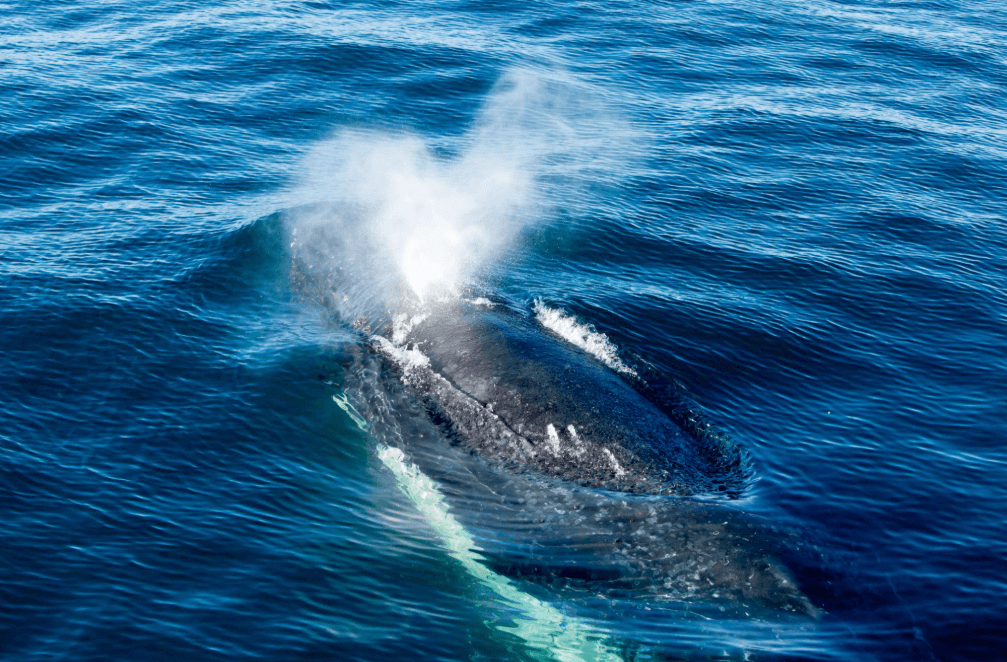
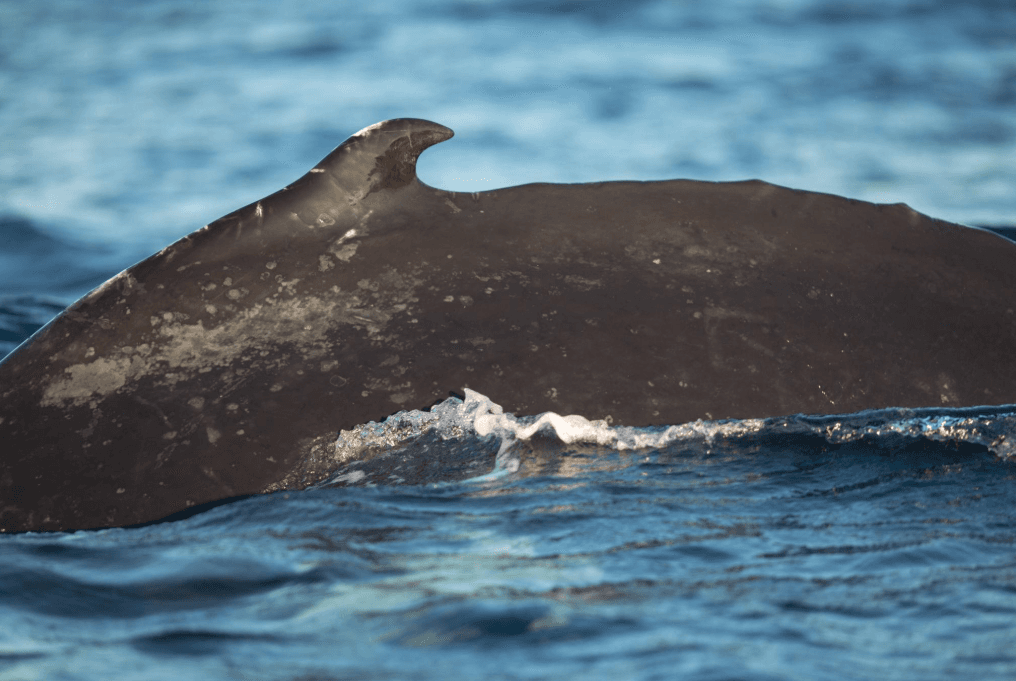
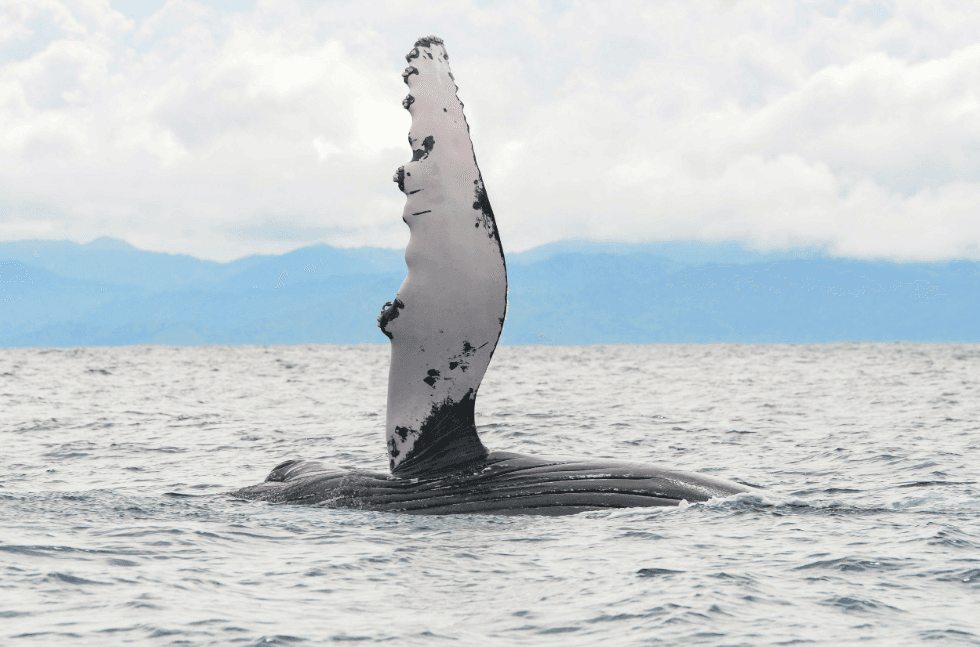
Your guide may explain how to recognize a whale's blow, dorsal fin, tail flukes, or surface movements. You may also learn why sightings vary and why responsible viewing practices matter.
Listening carefully can make the excursion more rewarding because you will have a better understanding of what you are observing rather than simply looking for a dramatic photograph.
7. Searching for the First Whale
Locating whales is one of the most unpredictable parts of the trip. The crew may scan the water for blows, movement, or other signs of whale activity.
Sometimes a whale appears relatively quickly. At other times, the boat may spend a longer period searching.
Humpback whales are wild animals, and their location changes naturally. A responsible operator cannot guarantee the exact moment a whale will surface or promise that every trip will produce a sighting.
Remain patient and pay attention to the guide's directions. If the crew changes course or adjusts its approach, follow the instructions rather than trying to anticipate the next movement yourself.
8. Observing a Humpback Whale
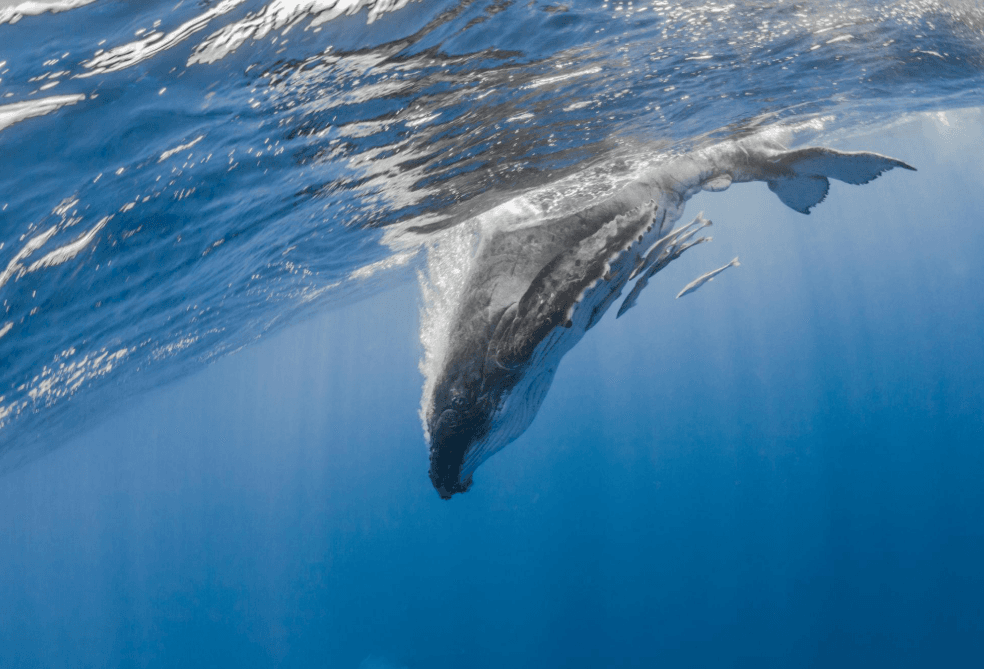
When a whale is spotted, passengers may see it surface to breathe, roll near the water's surface, lift its tail before diving, or travel through the bay.
Occasionally, visitors may witness a breach, when a whale launches much of its body out of the water. Such behavior is memorable but cannot be predicted or requested.
Keep a respectful distance as required by applicable regulations and instructions. The captain should manage the vessel's position and movement.
Do not attempt to touch, feed, chase, or enter the water with a wild whale. The goal is to observe natural behavior without interfering with the animal.
Remember that a brief sighting can still be valuable. A whale does not need to breach dramatically for the encounter to be meaningful.
9. Taking Photos Without Missing the Experience
Photography is a popular part of whale watching, but it can be difficult to predict where a whale will surface next.
If you bring a camera or smartphone, secure it with a strap where possible. Protect your equipment from water and follow the crew's instructions about where you can stand or move.
Use bursts of photos or short video clips when appropriate, but do not spend the entire excursion looking at a screen.
You may find it easier to enjoy the moment by observing the whale first and photographing it when conditions allow. Never move into an unsafe position or obstruct other passengers to obtain a better image.
10. Waiting Between Sightings
Whales do not remain at the surface continuously. After surfacing, a whale may dive and stay underwater before appearing again.
During these intervals, the crew may continue searching or reposition the vessel according to the conditions and applicable viewing rules.
Use the time to enjoy the scenery, listen to the guide, or observe other activity on the water.
Avoid interpreting a quiet period as a failed tour. Wildlife observation involves uncertainty, and the pace is naturally different from a scheduled performance or attraction.
11. Following Responsible Wildlife-Viewing Rules
Responsible whale watching protects both passengers and marine animals.
Follow the captain's instructions about viewing distances, boat movement, and passenger behavior. Do not encourage the crew to chase whales or maneuver in ways that put animals or people at risk.
Avoid throwing rubbish overboard, and keep food and other items secured. Noise and sudden movement should be kept under control when the crew requests it.
If a whale changes direction or moves away, allow the crew to follow the applicable rules rather than expecting the animal to remain near the boat.
A well-managed excursion prioritizes safe observation and respects the fact that whales are free-ranging wildlife.
12. Beginning the Return Journey
After the viewing period, the captain will begin the return journey according to the itinerary and conditions.
The timing may vary depending on the tour's schedule, weather, sea state, and other operational considerations.
Remain seated or follow the crew's instructions while the vessel is moving. Gather your belongings carefully and keep walkways clear.
If you have transportation or another activity arranged after the excursion, allow a buffer rather than relying on an exact return time. Conditions on the water can make schedules less predictable than land-based activities.
13. Arriving Back at Shore
Once the boat returns, wait until the crew confirms that it is safe to disembark.
Check your seat and surrounding area for personal belongings, including phones, sunglasses, cameras, and bags.
If you have questions about something you observed, this may be a useful time to ask your guide. You can also review your photographs and make notes about the wildlife behaviors you witnessed.
If the tour did not operate as expected, speak with the provider about the booking terms and any applicable policy. Keep your confirmation and payment details available if you need to follow up later.
14. What If You Do Not See a Whale?
Although Samaná is an established seasonal whale-watching destination, sightings are not guaranteed on every departure.
Whales may be difficult to locate, and their behavior depends on natural conditions. Weather or sea conditions can also affect how a tour operates.
Before booking, ask whether the company has a written policy for trips without sightings. Some operators may provide an alternative arrangement, while others may not.
Do not assume a repeat trip or refund is automatically included. Understanding the terms in advance helps you make an informed decision.
What Should You Bring on a Samaná Whale-Watching Tour?
Prepare for sun, wind, and possible sea spray. Useful items may include:
- Sunscreen and a hat.
- Comfortable clothing suitable for the conditions.
- A light waterproof layer.
- Drinking water, if permitted by the operator.
- A camera or smartphone secured against accidental drops.
- Binoculars, if you own a pair.
- Motion-sickness supplies recommended by an appropriate healthcare professional, if needed.
Follow the operator's instructions about bags, food, equipment, and personal medication.
Final Thoughts
A Samaná whale-watching tour usually involves much more than spotting a whale. The experience can include checking in, boarding, learning about humpback whales, searching the bay, observing wildlife, and returning safely to shore.
The exact itinerary varies by operator, and each trip unfolds differently because whales are wild animals. Arrive prepared, listen to your guide, respect safety instructions, and approach the experience with realistic expectations.
By understanding each stage of the excursion, you can spend less time worrying about logistics and more time appreciating the remarkable experience of observing humpback whales in Samaná Bay.
Frequently Asked Questions
How long does a Samaná whale-watching tour take?
Duration varies by operator, route, and package. Confirm the expected time on the water and whether transfers or check-in time are included.
What happens if the boat cannot find whales?
The crew may continue searching within its planned operating limits or return according to the itinerary. Sightings are not guaranteed, so check the operator's written no-sighting policy before booking.
Can I take photos during a whale-watching tour?
Yes, subject to the crew's safety instructions. Secure your equipment, remain in permitted areas, and avoid allowing photography to distract you from safety or the experience.
Is a whale-watching tour suitable for first-time boat passengers?
Many first-time passengers join whale-watching excursions, but comfort depends on the vessel and sea conditions. Ask the operator about boat size, seating, motion, safety procedures, and accessibility before booking.
What should I do when a whale appears?
Remain calm, listen to the guide, and observe from the permitted viewing area. Do not attempt to touch, feed, chase, or enter the water with the whale.
When can I go whale watching in Samaná?
The main viewing season is generally January through March, although whale activity varies. Confirm seasonal operating dates and tour availability with your chosen provider.

Local explorer & expert guide in Whales of Samaná.