Climate Change and Humpback Whale Migration: What to Know
Humpback whales are famous for their long migrations between feeding grounds and breeding areas. Each year, many populations travel between colder, food-rich waters and warmer regions where they mate, give birth, and care for their calves.
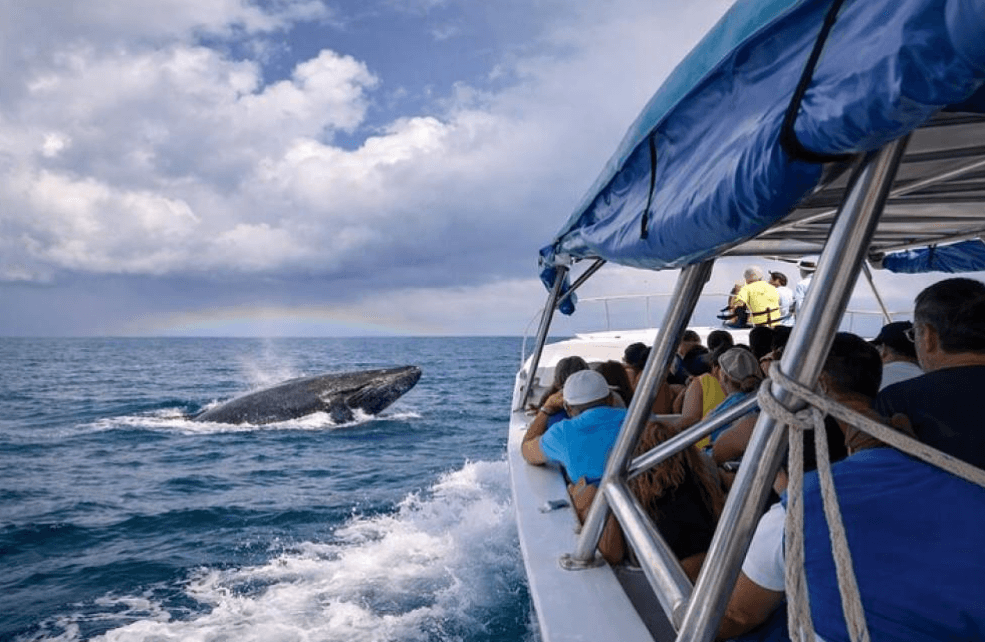
Samaná Bay in the Dominican Republic is a well-known seasonal destination for humpback whales. Their arrival attracts visitors who want to witness these remarkable animals in their natural environment.
However, the ocean is changing. Rising water temperatures, shifts in marine ecosystems, and changes in the distribution of prey may influence the conditions whales encounter during their annual journeys. Scientists are studying how these changes affect different whale populations, although the consequences are not identical everywhere.
In this guide, discover how climate change may influence humpback whale migration, what it could mean for Samaná, and why long-term marine research matters.
How Does Humpback Whale Migration Work?
Humpback whales generally follow a seasonal pattern that connects feeding and breeding habitats. Many populations feed in colder, productive waters where small fish and krill can be abundant. They then migrate toward warmer waters for breeding and calving.
During migration, whales may travel thousands of miles. The timing and route depend on the population, environmental conditions, and the whale's biological needs.
Humpback whales rely on energy stored during feeding periods to support demanding activities, including migration and reproduction. Mothers also need substantial energy to produce milk for their calves.
Because this cycle depends on several habitats and seasonal conditions, changes in one part of the ocean may affect whales elsewhere along their migration route.
1. Changing Ocean Temperatures May Affect Feeding Grounds
Climate change is warming the ocean, but the effects are not the same in every location. Local temperature patterns, currents, and other environmental factors can influence how marine ecosystems respond.
Humpback whales often feed where suitable prey is available. When ocean conditions change, the distribution or seasonal availability of prey may also change.
If food becomes less predictable in a particular feeding area, whales may need to adjust where or when they feed. In some circumstances, this could affect the energy they accumulate before beginning migration.
Scientists must study individual whale populations and their feeding environments to determine whether these changes are occurring and how significant they are.
2. Changes in Prey Availability Can Affect Migration
Humpback whales feed on prey such as krill and small schooling fish, depending on their population and feeding habitat.
The abundance and distribution of these animals can be influenced by ocean temperature, currents, nutrient availability, and seasonal conditions. Climate-related changes to these factors may alter where food is concentrated.
When prey becomes harder to find, whales may spend more time searching or travel farther to reach suitable feeding areas. These changes can potentially affect energy budgets and the timing of other activities.
However, not every change in prey availability is caused by climate change. Fishing pressure, natural ocean variability, and other ecological processes may also play a role.
Long-term research helps scientists distinguish between temporary fluctuations and broader environmental trends.
3. Could Migration Timing Change?
Humpback whale migrations are seasonal, but the timing of movement can vary between years and populations.
Environmental conditions may influence feeding opportunities and the circumstances under which whales begin or complete different stages of their annual cycle. As the ocean changes, researchers are interested in whether migration timing or seasonal patterns may also change.
A shift in timing could affect when whales appear in particular regions. For visitors planning a whale-watching trip, this is one reason to understand that wildlife seasons describe typical patterns rather than guaranteed dates for sightings.
It is important not to assume that climate change has already shifted the Samaná whale season by a specific number of days. Establishing such a trend requires reliable, long-term local observations.
4. What Could Climate Change Mean for Samaná Bay?
Samaná Bay is associated with the seasonal arrival of humpback whales during the Northern Hemisphere winter. The region offers an important opportunity for visitors to learn about whale behavior and marine conservation.
Climate change may affect marine ecosystems through several interconnected processes, including warming waters, changing ocean circulation, and shifts in the distribution of marine organisms.
For a breeding area such as Samaná, researchers may investigate whether environmental changes influence whale arrival patterns, the use of particular habitats, or the conditions experienced by mothers and calves.
These are research questions, not proof that every predicted impact has already occurred in Samaná Bay. Local conclusions need evidence from repeated observations, environmental measurements, and appropriate scientific studies.
Travelers should therefore use established seasonal guidance when planning their trip and remain flexible about the exact day or hour they may see whales.
5. How Could Changing Conditions Affect Whale Calves?
Humpback whale calves are born in breeding regions and depend on their mothers for milk, protection, and guidance.
A calf's development requires energy, while the mother must balance her own needs with nursing and caring for her young. Environmental conditions may influence this process indirectly if they affect the mother's energy reserves before or during the breeding season.
For example, changes in feeding conditions far from the breeding area could potentially influence a female's condition when she migrates. The consequences will depend on the population, the scale of the environmental change, and other factors affecting the whale.
Scientists study reproductive success, calf survival, body condition, and population trends to better understand these relationships.
It would be inaccurate to claim that climate change inevitably causes individual calves to become weaker or that all humpback whale mothers experience the same effects.
6. Ocean Changes Can Affect More Than Temperature
Climate change involves several environmental processes, not just warmer surface water.
Ocean acidification
The ocean absorbs some of the carbon dioxide released into the atmosphere. This changes seawater chemistry and causes ocean acidification.
Humpback whales do not build shells like many marine organisms, but they depend on food webs that include species affected by changing ocean chemistry. The overall consequences for whale populations can be complex and vary by ecosystem.
Changing currents and circulation
Ocean currents transport heat, nutrients, and marine organisms. Changes in circulation may influence the conditions that support prey populations and the location of productive feeding areas.
The effects differ between regions, so scientists need local observations to understand how a particular whale population may respond.
Marine heatwaves
Marine heatwaves are periods when ocean temperatures are unusually high for a particular location and season. Such events can disrupt local marine ecosystems and affect the availability or distribution of prey.
A marine heatwave does not automatically cause a migration change, but it can create conditions that researchers need to monitor.
7. How Scientists Study Climate Change and Whale Migration
Understanding climate-related effects requires more than observing a single whale season. Researchers use different methods to build a clearer picture over time.
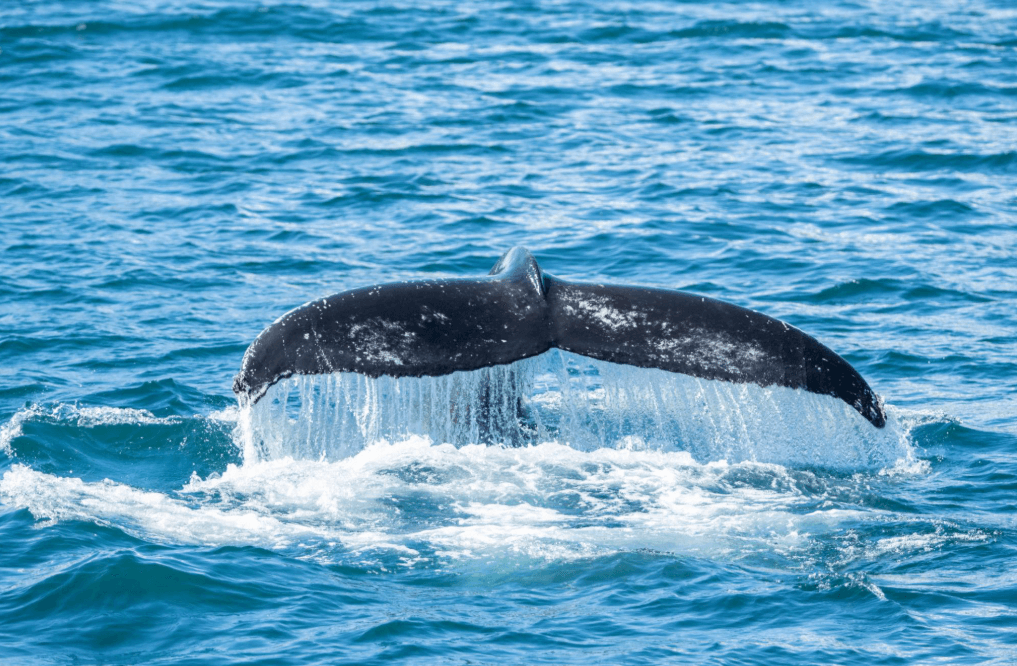
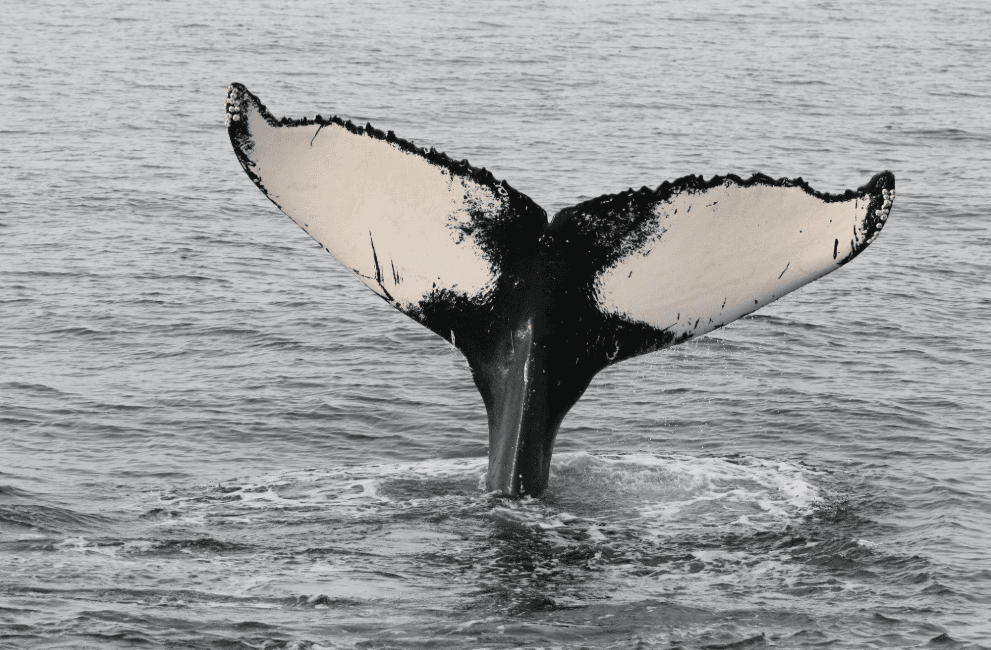
Photo identification: Humpback whales often have distinctive markings on the underside of their tail flukes. Researchers can compare photographs to help identify individual whales and study movements between locations.
Sightings records: Repeated observations help researchers assess when whales arrive, where they are seen, and whether seasonal patterns change over multiple years.
Satellite tracking: Where suitable tags are used, tracking data can reveal migration routes, travel timing, and the locations whales visit.
Ocean measurements: Temperature, currents, and other environmental observations help scientists examine the conditions whales experience along their routes.
Population studies: Researchers may assess trends in abundance, reproduction, and survival to understand how populations are changing.
Each method has limitations. The strongest conclusions usually come from combining multiple sources of evidence and comparing observations over sufficiently long periods.
8. What Does This Mean for Whale-Watching Visitors?
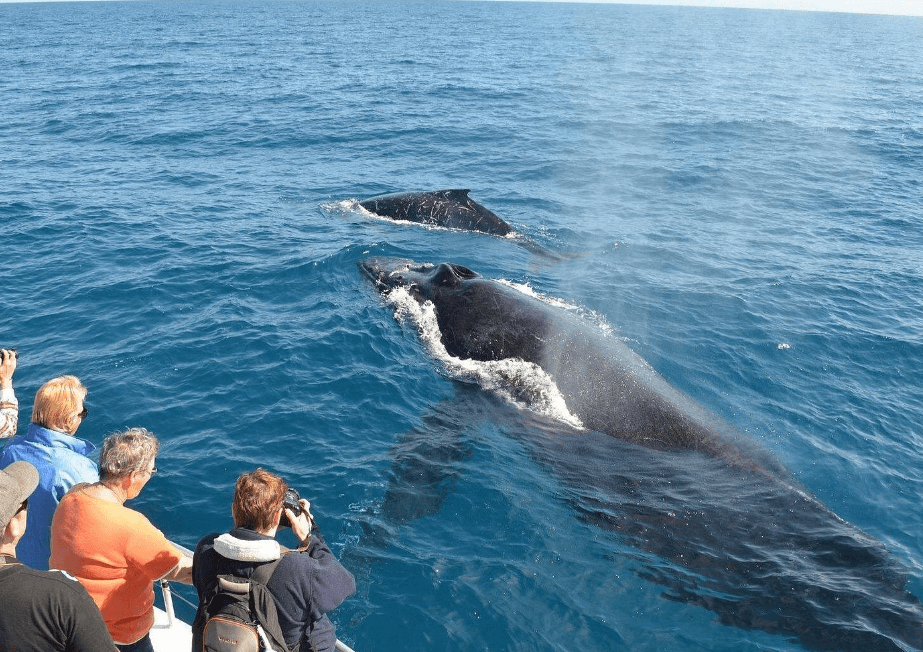
Climate change does not mean that travelers should stop visiting Samaná to observe humpback whales. Instead, it highlights the importance of responsible tourism and realistic expectations.
Consider these practical tips:
- Plan around the established seasonal period. Humpback whales are seasonal visitors, and sightings cannot be guaranteed on a particular date.
- Stay flexible. Weather, sea conditions, and natural whale behavior can affect individual tours.
- Choose a responsible operator. Select a company that follows local wildlife-viewing rules and prioritizes passenger safety.
- Respect the animals. Do not pressure the captain to chase whales or approach them more closely than permitted.
- Learn about the wider ecosystem. Understanding migration and environmental change can make your experience more meaningful.
- Avoid unsupported claims. If a guide or website makes a claim about a recent migration shift, look for reliable scientific evidence before treating it as established fact.
Responsible tourism cannot solve climate change on its own, but it can help create a travel culture that values wildlife, accurate information, and the protection of marine habitats.
9. How Can People Help Humpback Whales in a Changing Climate?
Addressing climate change requires broad action from governments, industries, communities, and individuals. Visitors can contribute in practical ways without assuming that any single action will directly change whale migration.
Reduce unnecessary energy use where feasible, choose lower-impact transport options when practical, and limit waste. Support credible organizations working on marine research, habitat protection, or climate science.
Travelers can also help by sharing accurate educational information and encouraging responsible wildlife tourism.
At a broader level, protecting marine habitats, improving fisheries management, reducing pollution, and limiting greenhouse gas emissions can support healthier ocean ecosystems. These measures address different pressures and should be considered part of a wider conservation effort.
Frequently Asked Questions
Does climate change affect humpback whale migration?
Climate change may influence the environmental conditions that shape migration, including ocean temperatures, prey distribution, and seasonal feeding opportunities. The effects vary by population and region, and scientists continue to study them.
Will humpback whales stop visiting Samaná Bay?
There is no basis for claiming that humpback whales will simply stop visiting Samaná because of climate change. Predicting the future of a particular population requires scientific evidence and consideration of multiple environmental factors.
Can climate change change whale-watching season dates?
Environmental change may influence wildlife timing, but a specific change to the Samaná whale season should not be assumed without reliable local data. Visitors should use current, reputable seasonal guidance when planning.
Does warmer water always harm humpback whales?
No. The effects depend on the ecosystem, the whale population, food availability, and other conditions. Warming can disrupt some habitats and food webs, but the relationship is complex rather than identical in every location.
How do scientists know if migration patterns are changing?
Scientists compare long-term records of sightings, photo-identification matches, tracking data, and environmental measurements. Multiple years of evidence are generally more informative than a single season.
What can visitors do to help?
Visitors can choose responsible tour operators, respect wildlife-viewing rules, reduce waste, support credible conservation initiatives, and share accurate information about whales and the changing ocean.
Conclusion
Humpback whale migration depends on the relationship between animals, food supplies, seasonal conditions, and marine habitats. Climate change may influence these connections by altering ocean temperatures, prey availability, and the environmental conditions whales encounter throughout their annual journeys.
For Samaná, continued research is essential to determine how local whale populations respond over time. Visitors can contribute by choosing responsible whale-watching experiences and learning about the science behind migration rather than relying on unsupported predictions.
The future of humpback whales depends on many factors, including healthy habitats, effective conservation, and action on climate change. Understanding these connections is an important step toward protecting these remarkable marine mammals for future generations.

Local explorer & expert guide in Whales of Samaná.