Where Do Humpback Whales Go After Samaná Whale-Watching Season?
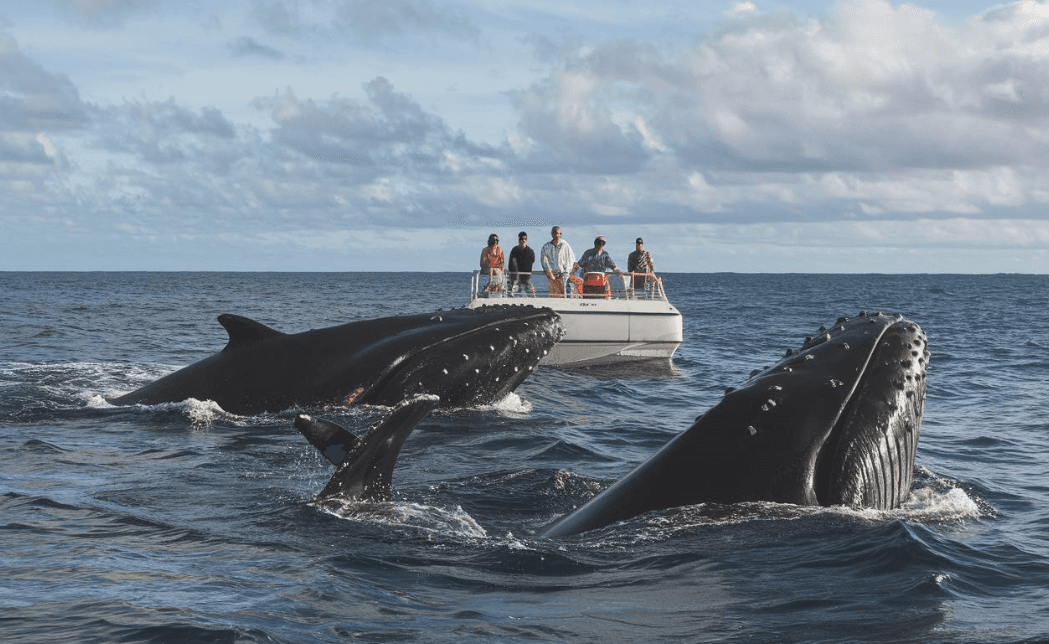
Every year, humpback whales arrive in the warm waters around Samaná Bay in the Dominican Republic. For several months, visitors have opportunities to observe these enormous marine mammals as they surface, breach, and swim through the Caribbean.
But when whale-watching season ends, the whales do not stay in Samaná Bay all year. Most begin a long migration toward colder, food-rich waters where they can feed and rebuild their energy reserves.
Understanding where humpback whales go after the season helps explain why Samaná is such an important destination in their annual life cycle.
When Do Humpback Whales Leave Samaná Bay?
Humpback whales generally visit the waters around Samaná during the Northern Hemisphere winter, with the main whale-watching season usually running from January through March and activity sometimes continuing into April.
As the season progresses, individual whales begin moving away from the breeding grounds. There is no single departure date for the entire population. Migration varies according to individual behavior, reproductive condition, and other environmental factors.
Mothers with young calves may follow different schedules from other whales. Some whales may also pass through the region at different points during the season.
As a result, the end of the main whale-watching season does not mean that every whale leaves on the same day.
1. They Migrate Toward Colder Feeding Grounds
Many North Atlantic humpback whales that visit the Caribbean migrate toward feeding areas in the North Atlantic, including waters around Iceland, Greenland, and eastern Canada. Their exact destinations can vary.
These northern waters provide seasonal feeding opportunities, including krill and small schooling fish. Humpback whales build up energy reserves by consuming large quantities of prey during productive feeding periods.
This annual movement connects two very different environments: relatively warm tropical breeding grounds and colder northern feeding grounds.
Samaná is important because it forms part of the whales' seasonal reproductive habitat. The northern feeding areas are important because they provide much of the food needed to support their large bodies and energy-intensive migration.
2. Why Do They Leave Warm Caribbean Waters?
Warm tropical waters offer advantages during the breeding season, but they generally provide less of the dense prey that humpback whales seek in their principal northern feeding grounds.
Humpback whales are baleen whales. They use flexible plates of baleen in their mouths to filter prey from the water, including krill and small fish.
In many northern feeding areas, seasonal ocean productivity supports large concentrations of these animals. The whales can feed heavily and accumulate energy reserves for migration and future reproduction.
The Caribbean therefore serves a different purpose from the North Atlantic feeding grounds. The whales' movements reflect the seasonal availability of suitable habitat and food.
3. Do All Humpback Whales Travel to the Same Place?
No. Humpback whales do not all follow one identical migration route or visit one common feeding location.
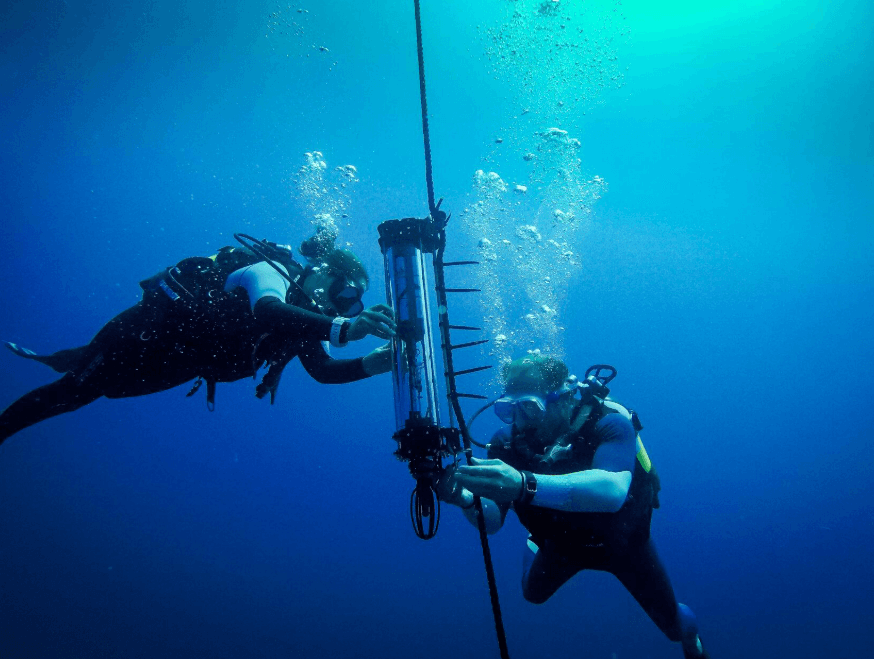
Scientists use methods such as satellite tagging, photo identification, and observations of whale movements to learn more about migration. These studies show that individuals can use different areas within a broader population's seasonal range.
Some whales may return to familiar feeding regions across multiple years, while others may be observed in different areas. The precise route and destination of an individual whale cannot usually be determined simply by seeing it in Samaná Bay.
This is one reason researchers continue studying whale migration: understanding these connections helps identify important habitats and potential conservation priorities.
4. What Happens to Mother Whales and Their Calves?
Some humpback whales visit Samaná with newborn or young calves. The warm breeding grounds provide an important environment for reproduction and early calf development.
Calves nurse on their mothers' milk, grow, and gradually develop the strength and coordination needed for life in the open ocean.
As the migration period approaches, mothers and calves eventually travel toward feeding areas. The journey requires sustained swimming and careful coordination between the pair.
The timing and route can differ among individuals. Researchers continue to study how mothers and calves manage long-distance migration, including how young whales develop their swimming abilities and learn to navigate their environment.
For visitors, the presence of a calf is a reminder that Samaná Bay is not simply a place where whales pass through. It is part of a broader seasonal habitat that supports important stages of their lives.
5. Do Humpback Whales Return to Samaná Every Year?
Many humpback whales show seasonal patterns of returning to breeding areas, and Samaná is one of the recognized locations used by North Atlantic humpbacks.
However, it is not accurate to assume that every whale returns to the same bay every year. Individual movements differ, and whales may use different parts of their breeding range.
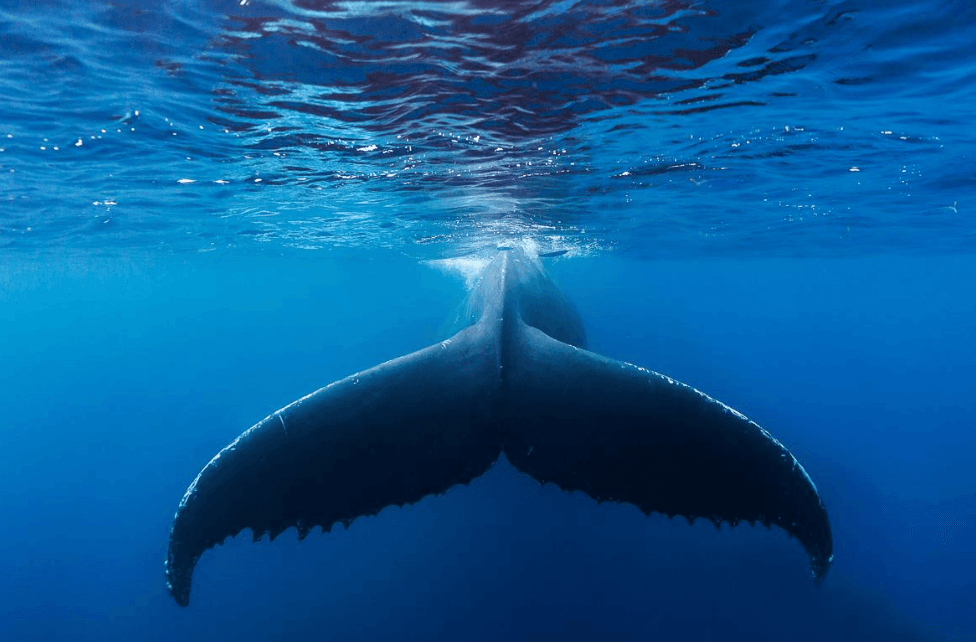
Scientists can identify some individuals by examining distinctive markings and patterns on their tail flukes. These photographs help researchers compare sightings across locations and years.
When an identified whale is documented in different regions, researchers can learn more about its movements and the connections between breeding and feeding habitats.
These records contribute to long-term knowledge of the North Atlantic humpback population.
6. What Are Humpback Whales Doing During the Rest of the Year?
Outside the Caribbean breeding season, many North Atlantic humpback whales spend considerable time in northern feeding habitats.
Their activities change with the season and their location.
Feeding
In productive northern waters, humpback whales consume prey such as krill and small fish. Feeding helps them build and maintain the energy reserves needed for migration and reproduction.
Traveling
Migration involves long-distance movement between seasonal habitats. Whales must navigate a changing ocean environment while encountering varying weather, currents, and human activity.
Reproducing
Reproductive activity is associated with breeding areas such as those in the Caribbean. Whales may engage in courtship and mating behavior during this part of the annual cycle.
Not every individual follows precisely the same schedule, and scientists continue investigating how feeding, migration, and reproduction interact.
7. What Can Their Migration Tell Us About Ocean Health?
Humpback whale migration links ecosystems across enormous distances. Conditions in one region can affect the animals that depend on it, while human activities along migration routes may create risks.
Potential threats include entanglement in fishing gear, collisions with vessels, underwater noise, pollution, and changes in prey availability. The importance of each threat varies by location and circumstance.
Climate change can also alter ocean temperatures and the distribution or timing of prey. Changes in feeding conditions may affect where whales travel and how successfully they build energy reserves.
Protecting humpback whales therefore requires attention to more than one destination. Breeding areas, migration corridors, and feeding grounds all contribute to their life cycle.
Samaná's value as a whale-watching destination is closely connected to these wider ecological relationships.
8. Can You Still See Whales in Samaná After the Main Season?
Sightings become less predictable as the main season draws to a close. Some whales may still be present later in the season, but visitors should not assume that sightings will be available outside the usual seasonal window.
If seeing humpback whales is the main reason for your visit, plan around the established whale-watching season and check current local information before booking.
Tour operators may adjust their schedules according to local conditions, authorizations, and seasonal activity. Confirm the actual departure dates and the operator's policy if no whales are seen.
Outside whale season, Samaná still offers other experiences, including beaches, coastal scenery, boat excursions, and nature-based activities.
Frequently Asked Questions
Where do Samaná's humpback whales go after whale season?
Many North Atlantic humpback whales migrate toward northern feeding grounds, including areas around Iceland, Greenland, and eastern Canada. Individual destinations vary.
When do humpback whales leave the Dominican Republic?
Many begin leaving the Caribbean breeding grounds as the season progresses, usually around the end of the main winter breeding period. Departure timing varies by individual, so there is no single date for all whales.
Do humpback whales return to Samaná every year?
Some individuals return to familiar breeding areas, but not every whale is known to return to the same location annually. Researchers use photo identification and other methods to study these patterns.
Why do humpback whales migrate to colder waters?
Many northern feeding grounds offer seasonal concentrations of krill and small fish. These food resources help whales accumulate the energy reserves they need.
Do mother whales migrate with their calves?
Mothers and young calves eventually travel from breeding areas toward feeding grounds. Their timing and routes can vary, and researchers continue to study how young whales manage the journey.
Can I see humpback whales in Samaná in May?
May is generally outside the main whale-watching season. Sightings are less predictable, so travelers should not plan a trip around seeing humpbacks then without checking current local guidance.
Conclusion
After the main whale-watching season in Samaná Bay, many North Atlantic humpback whales travel toward northern feeding grounds where food is more abundant. Their annual cycle connects Caribbean breeding habitats with distant regions of the North Atlantic.
The migration is a reminder that whale conservation must protect a network of habitats, not just a single bay. Responsible whale watching in Samaná helps visitors appreciate one part of a much larger natural journey.
If you are planning a trip to see these animals, choose dates within the main season, confirm local conditions, and remember that every whale sighting depends on the movements of wild animals.

Local explorer & expert guide in Whales of Samaná.