How to Choose the Best Whale-Watching Tour in Samaná
Choosing the best whale-watching tour in Samaná can make a significant difference to your experience on the water. Located on the northeastern coast of the Dominican Republic, Samaná Bay is a well-known seasonal destination for observing migrating humpback whales.
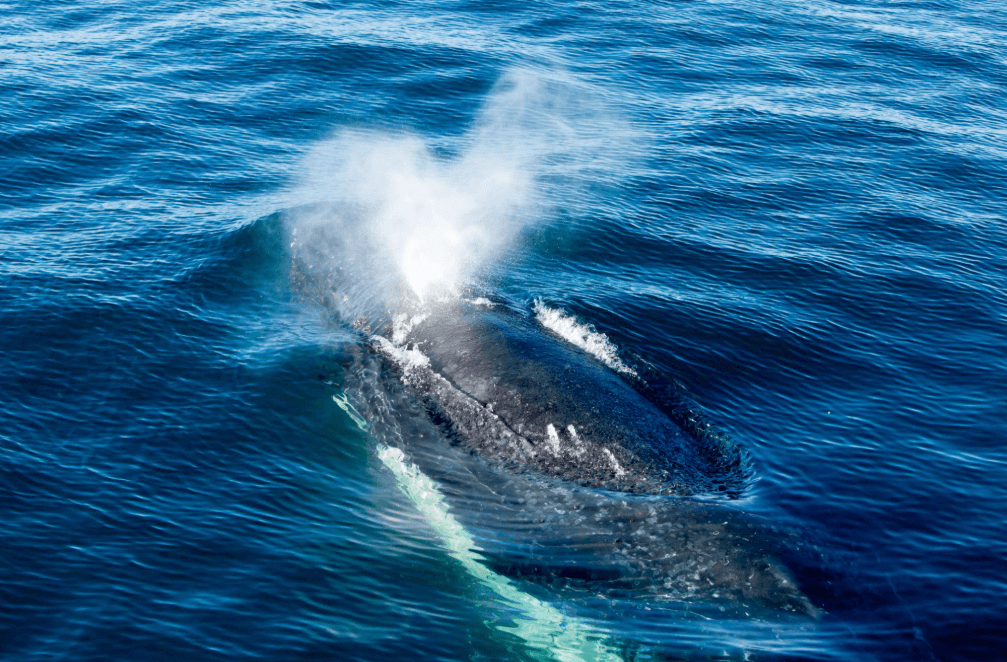
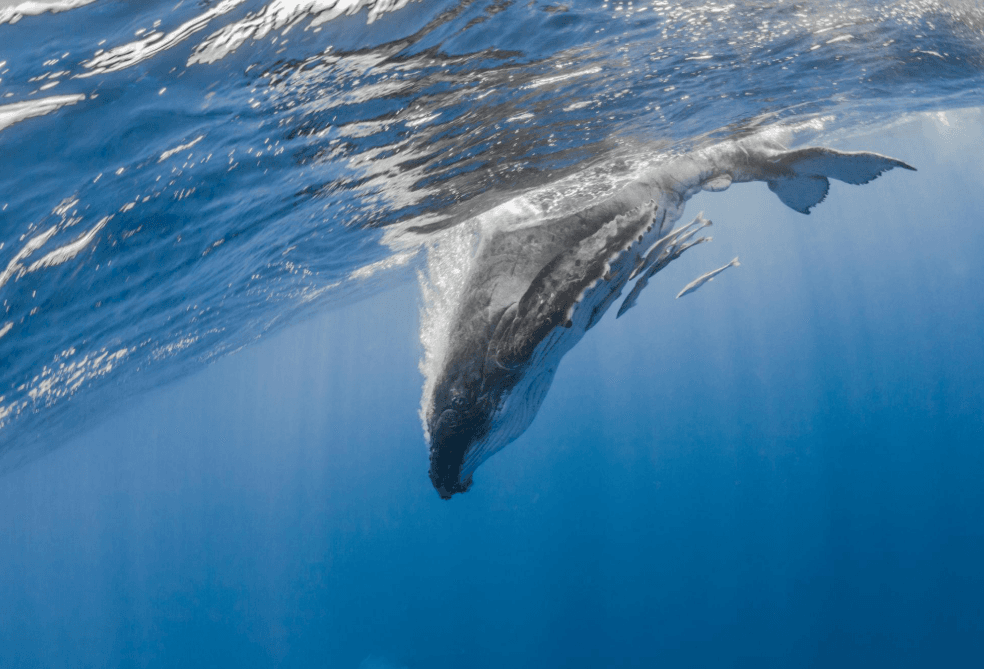
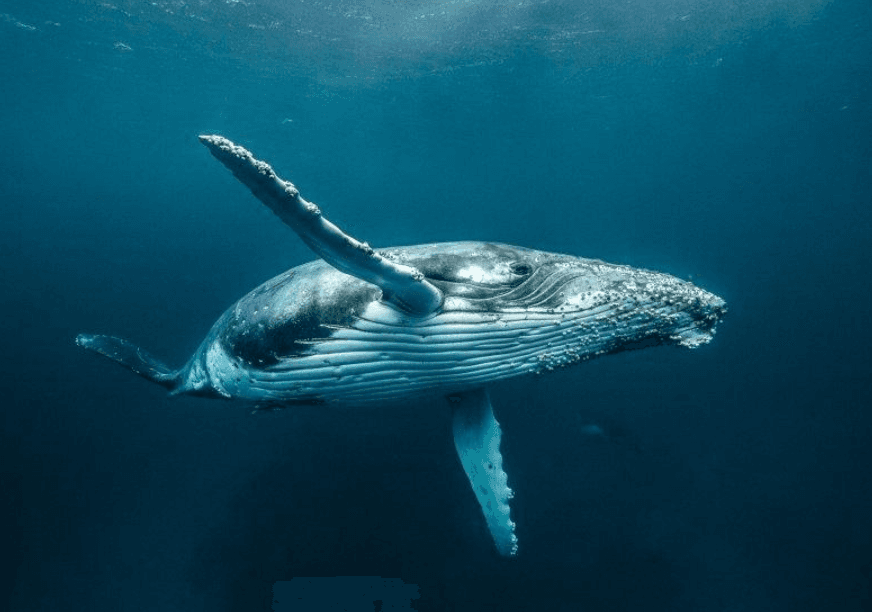
During the whale-watching season, visitors may see whales breaching, raising their tails, surfacing, or swimming with their calves. However, every trip is different, and no tour can guarantee a particular sighting or behavior.
The right excursion depends on your budget, preferred boat type, comfort level, available time, and commitment to responsible wildlife viewing. This guide explains what to compare before booking a Samaná whale-watching tour.
When Is Whale-Watching Season in Samaná?
Humpback whales migrate to Dominican Republic waters during the winter breeding season. Whale watching around Samaná is generally associated with January through March, although sightings can occur outside the busiest weeks.
February is commonly considered a popular time to visit because it falls within the core season. Nevertheless, whale activity changes throughout the season, and sightings depend on natural conditions.
When selecting a tour, confirm the operator's current seasonal schedule and ask what happens if weather conditions prevent the excursion from operating.
1. Compare Boat Types Before Booking
One of the most important decisions is the type of boat used for your excursion.
Larger excursion boats
Larger boats may provide more room to move around, indoor or shaded areas, and facilities that suit some families and travelers who prefer additional space.
Ask how many passengers the boat carries and whether seating is available throughout the journey.
Smaller boats
Smaller vessels may offer a more intimate group experience, depending on the operator and itinerary. However, they may have less shade, fewer facilities, and more noticeable movement in choppy water.
Before booking, confirm the boat's capacity, seating arrangements, safety equipment, and suitability for your needs.
Catamarans and other excursion vessels
Some operators offer catamarans or other boats designed for sightseeing. The experience varies by vessel, route, group size, and weather.
Do not assume that a particular boat type guarantees better whale sightings. The quality of the excursion also depends on the crew, operating practices, and conditions on the day.
2. Check What the Tour Includes
Tour descriptions can look similar while offering different services. Read the details carefully instead of choosing based only on the headline price.
Check whether your package includes:
- Boat transportation and a designated crew.
- A guide or commentary about humpback whales.
- Safety equipment and a pre-departure briefing.
- Hotel transfers, if advertised.
- Food, snacks, or drinking water, if promised.
- Applicable fees and taxes.
- The expected duration of the excursion.
Ask whether the advertised duration includes transportation to the departure point or refers only to time on the water.
Confirm any additional charges before paying so you can compare tours fairly.
3. Look for Responsible Whale-Watching Practices
A reputable tour should prioritize passenger safety and the welfare of whales.
Before booking, ask how the operator follows applicable whale-watching regulations and manages encounters with marine wildlife.
Responsible practices include respecting required approach distances, avoiding deliberate interference with whale movement, and following official instructions when whales are nearby.
The crew should not encourage passengers to touch, feed, chase, or enter the water with wild whales. If a captain changes course or limits viewing because of wildlife or sea conditions, that decision should be respected.
Avoid choosing an excursion solely because its advertising promises extremely close encounters. Ethical viewing allows whales to behave naturally without unnecessary disturbance.
4. Consider Tour Duration and Departure Time
Different excursions may have different departure schedules and durations. The best choice depends on your plans and how comfortable you are spending time on a boat.
A shorter trip may work better if you have limited time or are traveling with people who prefer less time at sea. A longer excursion may allow more time for wildlife observation, but it does not guarantee more sightings.
Ask the operator to confirm:
- The departure time and meeting location.
- The expected return time.
- How long the boat typically spends searching for whales.
- Whether the schedule can change because of weather or sea conditions.
Arrive at the meeting point early enough to complete check-in and listen to the crew's safety instructions.
5. Choose a Tour That Fits Your Budget
Whale-watching prices can vary according to boat type, group size, inclusions, departure point, and transportation arrangements.
Rather than automatically selecting the cheapest or most expensive option, compare what you receive for the price.
A useful comparison should include the total cost, duration, group size, transportation, safety provisions, and wildlife-viewing policies.
Be cautious if a seller cannot explain what is included, refuses to provide clear booking terms, or makes unrealistic guarantees about whale sightings.
Before paying, check the cancellation policy, refund terms, payment method, and procedure for weather-related cancellations.
6. Read Recent Reviews Carefully
Reviews can help you understand what previous passengers experienced, but look beyond star ratings.
Pay attention to comments about:
- Crew communication and professionalism.
- Boat cleanliness and comfort.
- Accuracy of the advertised itinerary.
- Punctuality and organization.
- Safety briefings and passenger care.
- Respectful treatment of wildlife.
- How cancellations and unexpected changes were handled.
Recent reviews are especially useful when schedules, operators, or boats may have changed.
Look for consistent patterns across several reviews instead of relying on a single unusually positive or negative comment.
7. Think About Seasickness and Comfort
Conditions in Samaná Bay can vary. Wind, waves, and boat movement may affect how comfortable you feel during the trip.
If you are prone to motion sickness, ask the operator about the expected route and vessel type. Consider speaking with a healthcare professional or pharmacist in advance about appropriate prevention options, particularly if you have medical conditions or take other medication.
Practical preparations include wearing suitable clothing, bringing sun protection, and following the crew's instructions. If permitted, carry drinking water and keep personal belongings secure.
Families should check age requirements and any recommendations for children. Travelers with mobility needs should ask about boarding arrangements, seating, restroom facilities, and assistance before booking.
8. Understand That Whale Sightings Are Never Guaranteed
Humpback whales are wild animals, not scheduled performers. Their location and behavior change naturally, so even a well-organized tour cannot promise a breach, a close approach, or a sighting on every departure.
Ask the operator whether it has a written policy for trips with no sightings. Some operators may offer a return trip or another arrangement, while others may not.
Read the exact policy before booking. Do not assume that every company offers a free repeat excursion or a refund.
A good tour should set realistic expectations and explain how the crew searches for whales while respecting wildlife guidelines.
9. Ask About the Departure Point and Transportation
Samaná-area excursions may depart from different locations depending on the operator and package.
Confirm the precise meeting point rather than relying only on a general reference to Samaná. If transportation is included, check the pickup area, pickup time, and whether your accommodation qualifies.
If you are traveling from another destination in the Dominican Republic, allow enough time for road travel and possible delays. Avoid arranging a tight connection immediately after the tour's expected return.
Clear transportation details can prevent missed departures and unnecessary stress.
10. Check Safety Procedures Before You Board
Safety should be part of your decision from the beginning.
Choose an operator that can explain its emergency procedures, passenger capacity, required safety equipment, and response to changing weather. Listen carefully to the crew's instructions before departure.
Follow all directions while boarding, moving around the vessel, and observing whales. Keep children supervised and remain seated or hold designated handrails when instructed.
If you have concerns about a vessel's condition, overcrowding, or the crew's safety practices, reconsider boarding rather than feeling obligated to continue because you have already paid.
11. Compare Tours Using a Simple Checklist
Use the following checklist to compare two or more whale-watching excursions.
What to compareQuestions to askBoat typeWhich vessel will be used?Group sizeHow many passengers are expected?DurationHow long will the excursion last?InclusionsAre transfers, refreshments, and fees included?SafetyWhat equipment and briefing are provided?Wildlife protectionHow does the operator follow whale-viewing rules?Cancellation policyWhat happens if the trip is canceled?No-sighting policyIs any alternative offered if no whales are seen?AccessibilityCan the operator accommodate your needs?Total priceAre there additional charges?
Comparing these details makes it easier to identify a tour that suits your priorities instead of relying on promotional photographs alone.
12. Prepare for Your Whale-Watching Excursion
Once you have selected a tour, prepare for the conditions you may encounter.
Consider bringing:
- Sun protection, including a hat and sunscreen.
- Comfortable clothing suitable for wind and spray.
- A light waterproof layer.
- Drinking water, if allowed by the operator.
- Binoculars, if you have them.
- A camera or smartphone secured with a strap.
- Any personal items you need during the trip.
Pack light and follow the operator's guidance about bags and equipment.
Keep your expectations flexible. Enjoy observing natural behaviors rather than waiting for a particular photograph, and listen to the guide's explanations about humpback whales and their seasonal migration.
Final Thoughts
The best whale-watching tour in Samaná is the one that balances safety, comfort, transparent pricing, reliable organization, and responsible wildlife observation.
Compare boat types and inclusions, check recent reviews, understand cancellation terms, and ask direct questions before booking. Most importantly, choose an operator that respects the whales and follows applicable viewing rules.
With sensible preparation and realistic expectations, a whale-watching excursion in Samaná Bay can become a memorable opportunity to observe one of the Caribbean's most remarkable marine visitors.
Frequently Asked Questions
What is the best month for whale watching in Samaná?
January, February, and March are commonly associated with the main whale-watching season. February is a popular choice, but sightings vary with natural conditions and the timing of whale activity.
How do I choose a reliable whale-watching operator?
Compare recent reviews, safety procedures, boat capacity, tour inclusions, cancellation terms, and wildlife-viewing practices. Ask questions before paying and avoid operators that make unrealistic guarantees.
Are smaller boats better for whale watching?
Not necessarily. Smaller boats may offer a more intimate experience, while larger vessels may provide more space and facilities. Safety, comfort, responsible operation, and the day's conditions are more important than boat size alone.
Are whale sightings guaranteed in Samaná?
No. Whales are wild animals, and their behavior cannot be guaranteed. Ask the operator about its written no-sighting policy before booking.
What should I bring on a Samaná whale-watching tour?
Bring sun protection, suitable clothing, a light waterproof layer, and a camera or binoculars if desired. Follow the operator's guidance about water, bags, and other personal items.
How long does a whale-watching tour last?
Duration depends on the operator, departure point, and itinerary. Confirm the expected time on the water, whether transfers are included, and the estimated return time before booking.

Local explorer & expert guide in Whales of Samaná.