Is Whale Watching in Samaná Worth It What Travelers Should Know Before Booking
Is whale watching in Samaná worth adding to your Dominican Republic itinerary For travelers who enjoy marine wildlife, nature, and experiences beyond traditional beach holidays, the answer may be yes. However, the experience is not the same for everyone. Travel time, sea conditions, personal expectations, and the unpredictable behavior of wild whales all influence whether an excursion feels worthwhile.
Samaná is widely known for seasonal humpback whale watching, attracting visitors who hope to observe these impressive marine mammals in their natural environment. Before committing to a tour, it helps to understand what makes the experience special, what its limitations are, and who is most likely to enjoy it.
This guide explores the advantages and disadvantages of whale watching in Samaná so you can make an informed decision.
Why Is Samaná Famous for Whale Watching?
Every year, humpback whales migrate to warm Caribbean waters during their breeding season. Samaná Bay and the surrounding waters are among the Dominican Republic's recognized locations for seasonal whale watching.
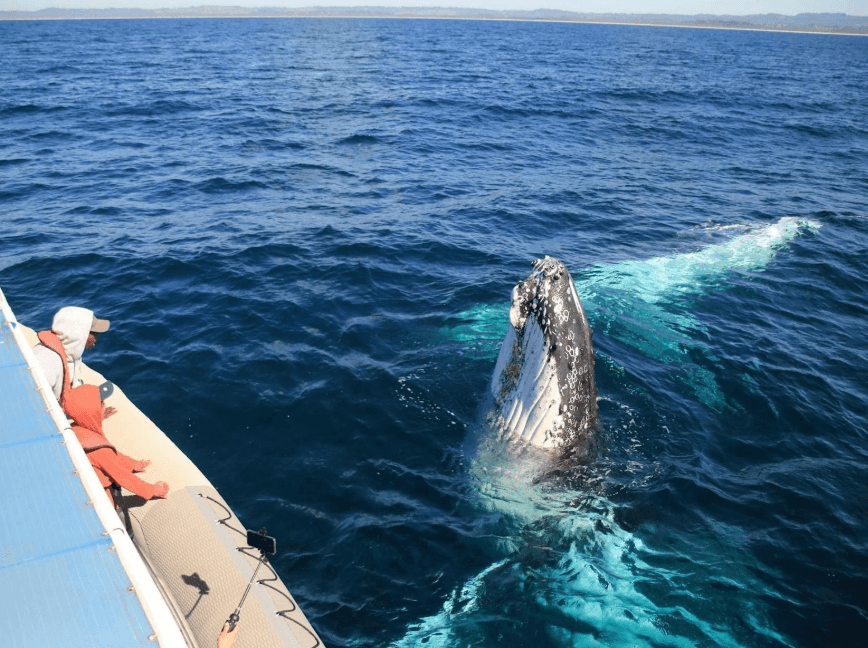
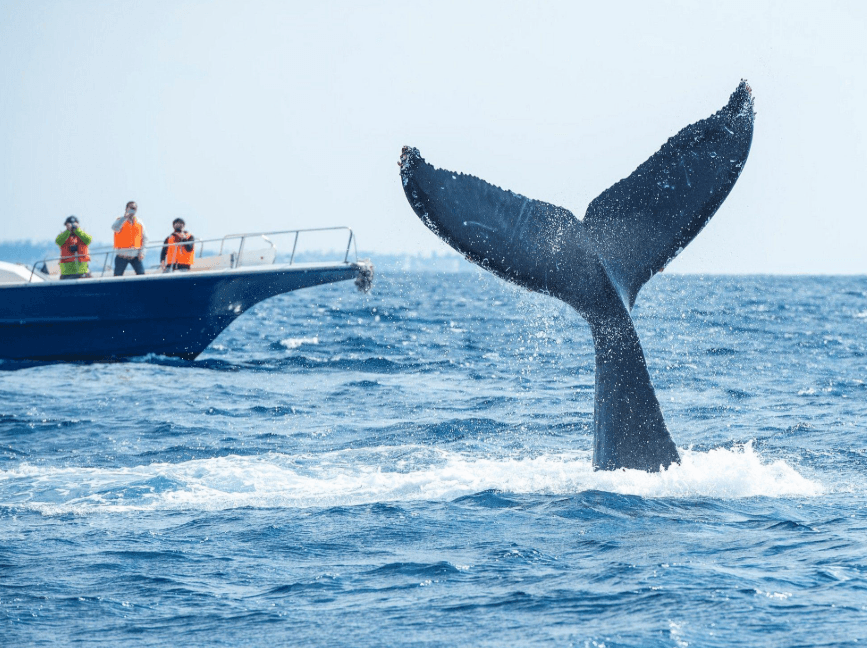
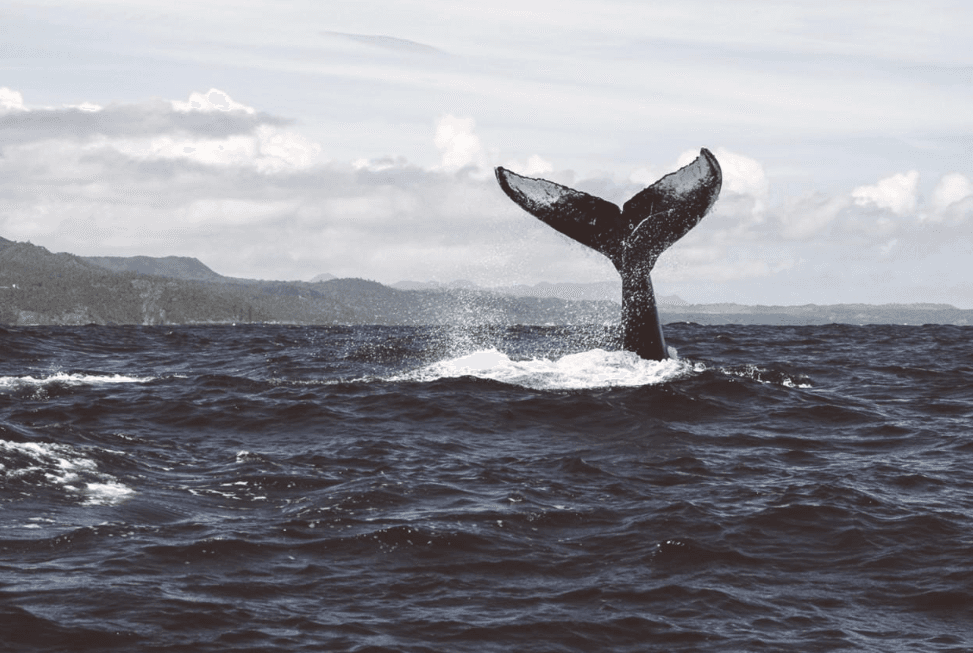
Visitors may have opportunities to observe whales surfacing, lifting their tails, breaching, or moving through the water. Some excursions may encounter mothers and calves, although sightings and behaviors vary.
The appeal is not simply the size of the animals. Seeing a wild whale in its natural environment can offer a different perspective on marine life and migration that is difficult to reproduce in an aquarium or through a video.
The experience is also seasonal, making it a distinctive activity for travelers visiting at the right time of year.
Five Reasons Whale Watching in Samaná May Be Worth It
1. You Can Experience Wildlife in Its Natural Habitat
One of the strongest reasons to consider a whale-watching excursion is the opportunity to observe wild animals rather than animals in captivity.
Humpback whales are powerful, complex marine mammals. Watching them move through the ocean can help visitors appreciate their size, behavior, and natural environment.
For nature enthusiasts, this experience may become one of the highlights of a Dominican Republic vacation.
2. It Offers Something Different From a Beach Holiday
The Dominican Republic is well known for its beaches and resort experiences. A whale-watching excursion adds a different kind of activity to the itinerary.
Instead of spending another day by the pool or on the sand, you can explore the marine environment and learn about seasonal whale migration.
This contrast may be particularly appealing to travelers who enjoy combining relaxation with outdoor exploration.
3. It Can Be Educational
A well-organized excursion can introduce visitors to humpback whale behavior, migration, and marine conservation.
Guides may explain why whales travel to Caribbean waters, how they communicate, and why responsible wildlife viewing matters. The quality and depth of these explanations depend on the operator and guide.
Families, students, and curious travelers may find the educational aspect just as rewarding as seeing a whale.
4. It Creates Memorable Travel Experiences
Wildlife encounters are unpredictable, which can make them memorable. A whale surfacing nearby or raising its tail above the water can be an exciting moment for travelers who appreciate nature.
Photographs can help preserve the memory, but the experience does not depend on capturing a perfect image. Watching respectfully and enjoying the wider marine environment can be rewarding in its own right.
5. It Can Complement a Wider Samaná Visit
Whale watching can form part of a broader visit to the Samaná region. Depending on your schedule, you may also explore local restaurants, beaches, viewpoints, or other attractions.
You do not necessarily need to make the whale excursion the only reason for visiting. Combining it with other activities may make the journey more appealing, particularly if you have enough time to explore at a relaxed pace.
What Are the Disadvantages of Whale Watching in Samaná?
Although whale watching can be rewarding, it is important to consider the potential drawbacks before booking.
1. Whale Sightings Are Never Guaranteed
Whales are wild animals, not scheduled performances. Their movements and behavior cannot be controlled by a tour operator.
Even during the main season, you may see whales briefly, observe them at a distance, or experience a trip with fewer sightings than expected.
Travelers who require guaranteed close-up encounters may find this uncertainty frustrating.
2. Sea Conditions Can Affect Your Comfort
A boat excursion may involve movement, wind, and sea spray. Conditions can vary, and some travelers may experience motion sickness or discomfort.
If you are sensitive to boat movement, ask the operator about the vessel, expected trip duration, and available seating before booking.
You should also follow the crew's safety instructions and any guidance about weather-related changes.
3. The Trip Takes Time
The excursion itself is only one part of the day. Depending on where you stay, you may also need to travel to the departure point and return afterward.
Visitors staying far from Samaná should carefully consider whether the journey fits their schedule. An overnight stay may be preferable to a long round trip for some travelers.
4. The Experience Is Seasonal
Whale watching depends on the seasonal presence of humpback whales. Visitors arriving outside the main season may have fewer suitable opportunities or find that regular whale-watching excursions are not operating.
If seeing whales is a major priority, plan your travel dates around the expected season and confirm current tour schedules.
5. The Experience May Not Suit Everyone
Travelers who dislike boats, need a highly predictable itinerary, or have little interest in wildlife may prefer other activities.
A whale-watching excursion is also not ideal for someone expecting continuous action. There can be periods of waiting while the boat searches for whales or moves between viewing areas.
Understanding the nature of the activity helps prevent unrealistic expectations.
What Can You Realistically Expect to See?
The experience varies from trip to trip. Possible observations include:
- Whales surfacing to breathe
- Tail flukes appearing above the water
- Breaching or other visible behaviors
- Whales moving through the bay
- Mothers and calves, when encountered
- Other features of the marine environment
Not every excursion includes all these observations. Some whale behaviors are less common than others, and the distance from the animals may vary.
A responsible tour should prioritize wildlife welfare rather than approaching animals aggressively to create a better view.
When Is Whale Watching in Samaná Most Worthwhile?
The main humpback whale-watching season generally runs from January through March, with activity sometimes extending into April. Exact timing and whale activity vary from year to year.
For travelers whose main goal is seeing humpback whales, visiting during the established seasonal period is generally the most sensible approach.
Before booking, check the operator's current schedule and ask about its policies for weather-related cancellations. Remember that traveling during the season improves your opportunity to encounter whales but cannot guarantee a sighting.
Who Will Enjoy Whale Watching the Most?
Whale watching in Samaná may be especially worthwhile for:
Nature enthusiasts: People interested in marine mammals, wildlife, and natural ecosystems may find the excursion particularly rewarding.
Curious travelers: Visitors who enjoy learning about the natural world may appreciate the educational side of the experience.
Photographers: Wildlife photographers may enjoy the challenge of observing and documenting whale behavior, although conditions and sightings can be unpredictable.
Couples and groups of friends: Travelers looking for a shared outdoor experience may enjoy adding a marine excursion to their itinerary.
Families: Some families may find whale watching educational and memorable, provided the selected excursion suits the children's ages, comfort levels, and safety needs.
The activity may be less appealing to travelers who strongly dislike boats or expect guaranteed close encounters.
How to Decide Whether the Cost Is Justified
Rather than judging the excursion by price alone, consider the overall value it offers you.
Ask yourself:
- Is seeing wild humpback whales a high priority for my trip?
- Am I visiting during the expected whale-watching season?
- Does the excursion fit my available time and transportation plans?
- Am I comfortable with the possibility of limited sightings?
- Does the package provide clear information about safety, duration, and inclusions?
- Would I enjoy the experience even if the whales remain at a distance?
If you enjoy wildlife and understand the uncertainty involved, the experience may offer excellent personal value. If you have little interest in marine animals or cannot comfortably accommodate a boat trip, another activity may be a better fit.
Tips for Getting More From Your Excursion
You can improve your overall experience by preparing thoughtfully.
- Choose a date within the main seasonal period.
- Read the tour itinerary carefully before booking.
- Check the forecast and follow the operator's instructions.
- Wear comfortable clothing and appropriate sun protection.
- Bring water and personal essentials if permitted.
- Listen to the guide's explanations about whale behavior.
- Keep realistic expectations about sightings and photographs.
- Follow responsible wildlife-viewing guidelines.
Most importantly, approach the excursion as an opportunity to experience nature rather than a guarantee of a particular animal performance.
Frequently Asked Questions
Is whale watching in Samaná worth the money?
It can be worthwhile for travelers who value wildlife experiences and understand that sightings are unpredictable. Compare the complete tour package, duration, transportation arrangements, and safety practices before deciding.
What if I do not see any whales?
Wildlife sightings cannot be guaranteed. Ask the operator about its current cancellation or rescheduling policy and whether any specific terms apply when whales are not sighted. Do not assume that every company offers a refund for this reason.
How long does a whale-watching trip take?
The duration depends on the excursion, departure point, and whether transportation or other activities are included. Check the itinerary for the actual boat-trip duration and the full time commitment.
Is Samaná better for whale watching than a regular beach destination?
Samaná is known for seasonal humpback whale watching, making it an appealing choice for visitors who specifically want a marine wildlife experience. A beach destination may be more suitable if relaxation, swimming, or resort facilities are your main priorities.
Is whale watching available all year?
The main season generally falls between January and March, sometimes extending into April. Regular whale-watching operations depend on seasonal whale presence, so verify availability for your planned dates.
Should I book a whale-watching excursion in advance?
Booking ahead can help you coordinate your itinerary during the seasonal period. Confirm the operator's current availability, price, departure details, and cancellation terms before paying.
Final Verdict: Is Samaná Whale Watching Worth It?
For travelers who appreciate marine wildlife, seasonal whale watching in Samaná can be a memorable addition to a Dominican Republic holiday. The opportunity to observe humpback whales in the wild, learn about their behavior, and experience the region's marine environment makes the excursion appealing to many visitors.
However, the experience comes with real trade-offs: sightings are unpredictable, boat conditions can affect comfort, and travel time may be significant depending on your location.
If these limitations fit your expectations, whale watching may be well worth considering. Choose a responsible operator, plan around the seasonal schedule, and focus on the overall wildlife experience rather than expecting a guaranteed close encounter.

Local explorer & expert guide in Whales of Samaná.