The History and Culture of Samaná Whale Watching: From Seasonal Migration to a Local Tradition
Every year, humpback whales return to the waters around Samaná, bringing visitors to the northeastern Dominican Republic for a remarkable wildlife experience. Over time, this seasonal migration has become closely connected with the region's tourism identity, local businesses, and efforts to protect marine mammals.
But whale watching in Samaná is more than a boat excursion. It reflects the relationship between a coastal destination and its natural environment, showing how wildlife can shape a community's connection with visitors and conservation.
For travelers interested in the story behind the experience, understanding the development of Samaná's whale-watching tradition adds another dimension to a visit.
Why Whales Became Part of Samaná's Identity
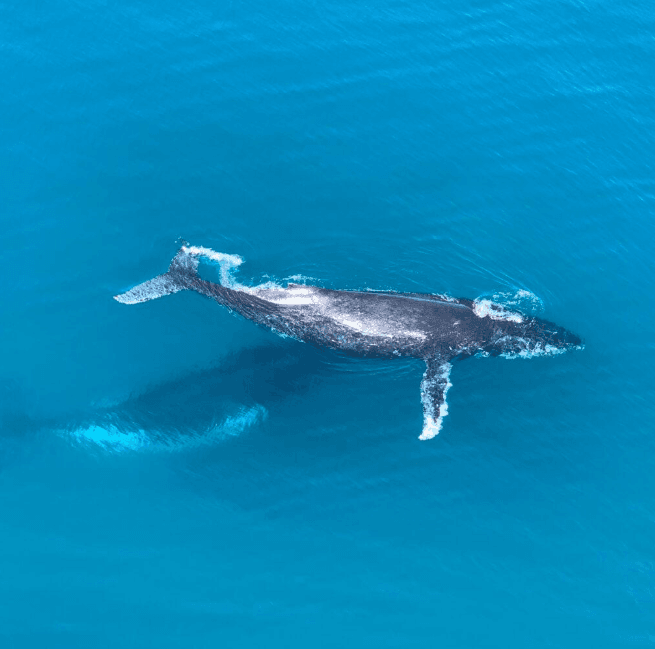
Samaná Bay provides important seasonal habitat for North Atlantic humpback whales. During the breeding season, these whales travel from northern feeding grounds to warmer Caribbean waters, where they mate and give birth.
Their annual return has made Samaná one of the Dominican Republic's best-known whale-watching destinations. Visitors come not only to look for whales but also to experience the bay and learn about the animals' seasonal migration.
The connection between whales and Samaná is visible in local tourism, educational activities, and conservation initiatives. The whales have become a recognizable part of how the region presents its natural attractions to the world.
How Whale Watching Developed in Samaná
According to the International Whaling Commission's Whale Watching Handbook, organized whale watching in the Dominican Republic began in Santa Bárbara de Samaná in 1985. An early tour operator began taking visitors to observe humpback whales in the bay, and additional operators followed as interest grew.
Samaná subsequently developed into a major whale-watching hub, serving visitors on local boat excursions and some longer trips to offshore marine mammal sanctuaries. Source: International Whaling Commission
This development illustrates how a seasonal wildlife event can become an established tourism activity. The whales were already part of the marine environment; organized excursions created a way for visitors to experience the migration while generating opportunities for local tourism businesses.
From a Specialized Excursion to a Recognized Attraction
As whale watching became better known, Samaná attracted visitors who specifically wanted to see humpback whales. The activity also created demand for boat crews, guides, transportation, accommodation, restaurants, and other visitor services.
Today, whale watching is an important part of the region's seasonal tourism identity. Its continued success depends on maintaining a balance between visitor access, passenger safety, and the protection of wildlife.
The Establishment of Marine Protection
An important milestone in the history of whale protection in Dominican waters came in 1986, when the Marine Mammal Sanctuary of the Silver Bank was established. The protected area was expanded in 1996 to include Navidad Bank and part of Samaná Bay.
These areas help protect important habitats used by humpback whales during their reproductive season. The sanctuary framework also provides a basis for managing activities that take place around marine mammals. Source: NOAA Fisheries and Sanctuaries
Protection matters because wildlife tourism depends on the continued presence of healthy animal populations. Preserving habitat and managing human activity are therefore important parts of maintaining Samaná's whale-watching future.
The Role of Local People in the Whale-Watching Tradition
A seasonal wildlife attraction does not operate independently of the community around it. Local people help visitors reach the departure points, operate excursions, provide accommodation, prepare meals, and share information about the region.
Whale watching can create economic opportunities during the season, particularly for businesses that serve visitors. It can also encourage a stronger public interest in the bay's natural resources.
However, tourism benefits are not automatic or evenly distributed. The long-term value of whale watching depends on responsible management, reliable services, community participation, and the protection of the environment that attracts visitors.
Boat Crews and Guides
Boat crews and guides are an important part of the visitor experience. Their knowledge of the local waters, attention to safety, and explanations of whale behavior can help visitors understand what they are seeing.
A good guide does more than point out a whale. They can explain why the animals visit the bay, why sightings vary, and why boats must follow responsible wildlife-viewing practices.
Local Businesses
Restaurants, accommodation providers, transport services, and other local businesses may also benefit from seasonal visitors.
Travelers can contribute by supporting reputable local businesses, respecting residents, and allowing enough time to enjoy the destination beyond the boat excursion itself.
How Whale Watching Has Influenced Visitor Experiences
Samaná's whale-watching tradition has helped create a tourism experience centered on a natural event rather than a manufactured attraction.
Visitors arrive with different interests. Some want to photograph humpback whales, others are interested in marine biology, and many simply want to witness a wild animal that they have previously seen only in documentaries.
The excursion can also introduce travelers to the broader geography of Samaná Bay and the surrounding peninsula.
The most rewarding experiences often combine wildlife observation with an understanding of the place where it occurs. Learning about the region's marine environment helps visitors see the whale migration as part of a larger natural story.
The Importance of the Whale-Watching Museum
Travelers who want to learn more about whales without relying entirely on a boat trip can investigate the Museo de las Ballenas in Santa Bárbara de Samaná.
The local tourism information published by the Samaná provincial government describes the museum as a place that promotes preservation of whales and the marine ecosystem, with a complete humpback whale skeleton among its notable features. Confirm current opening arrangements before visiting. Source: Samaná Provincial Government
A museum visit can provide useful context about whale biology and conservation, particularly for people who want to understand the animals before going out on the water.
It can also be a useful alternative for visitors whose schedules or sea conditions prevent them from joining an excursion.
How Tradition and Conservation Work Together
The popularity of whale watching creates both opportunities and responsibilities. Tourism can raise awareness of marine wildlife, but poorly managed boat activity can disturb animals.
Maintaining a responsible whale-watching tradition requires attention to several priorities:
- Wildlife protection: Operators should follow applicable regulations and avoid unnecessary disturbance.
- Passenger safety: Boat crews should provide clear instructions and manage the excursion appropriately.
- Education: Guides can explain migration, whale behavior, and the reasons for conservation measures.
- Environmental care: Visitors should avoid littering and respect the marine environment.
- Community participation: Local stakeholders can contribute to tourism planning and the long-term management of the activity.
These priorities help ensure that whale watching remains an experience built around observing wildlife responsibly rather than treating wild animals as performers.
What Makes Samaná's Whale-Watching Season Special?
Humpback whale watching in Samaná is seasonal. The main viewing period generally falls between January and March, although activity and official operating dates can vary.
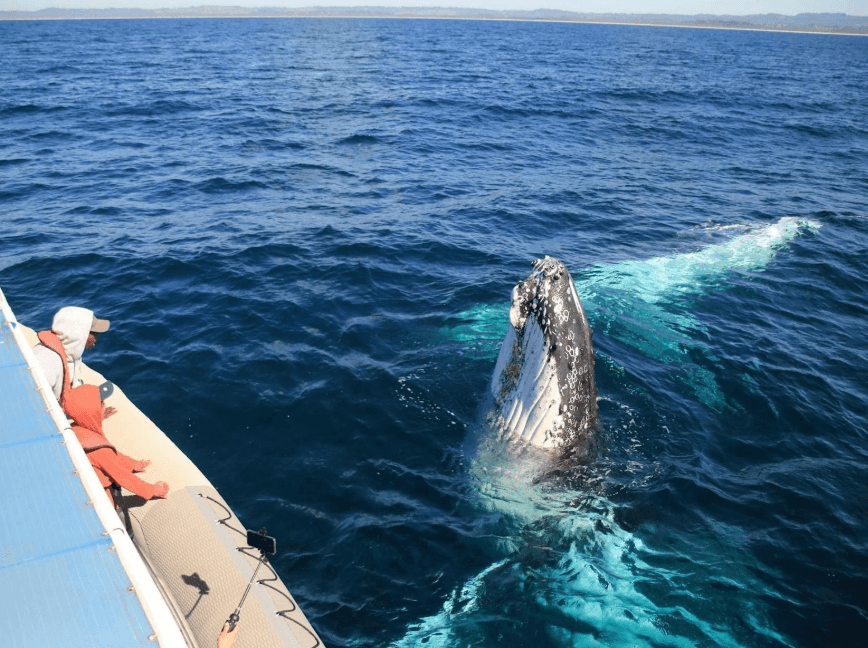
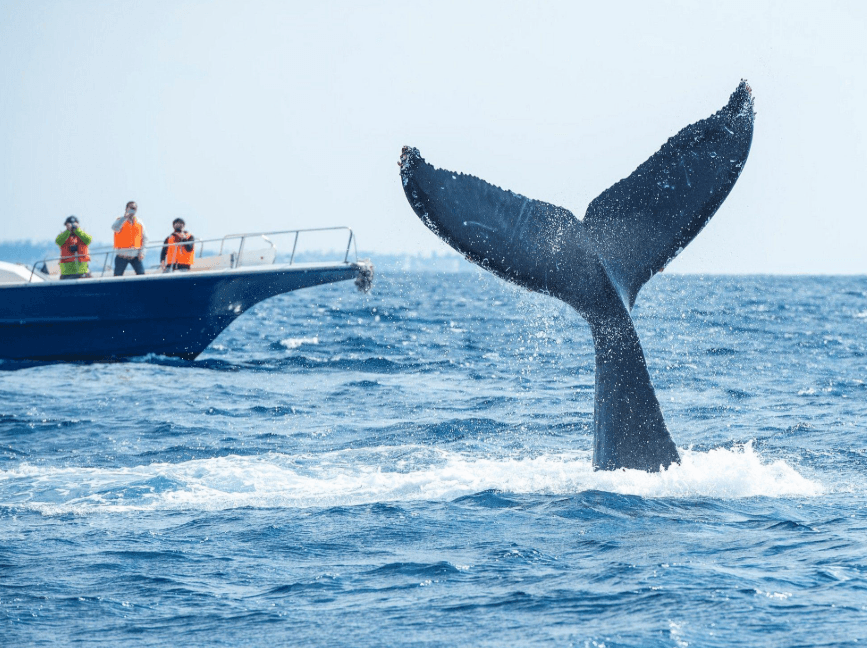
During this period, visitors may observe whales surfacing, raising their tails, or displaying other natural behaviors. Some excursions encounter mothers and calves, but no particular behavior or sighting is guaranteed.
The seasonal nature of the activity contributes to its significance for the tourism calendar. Visitors who want to experience it should confirm current dates and tour availability with an authorized operator before planning their itinerary.
How Visitors Can Respect Samaná's Whale-Watching Tradition
Travelers can help preserve the quality of the experience by making thoughtful choices before and during their excursion.
Choose an Appropriate Tour Operator
Look for clear booking information, safety procedures, and an explanation of the operator's wildlife-viewing practices. Ask questions if the information is unclear.
Follow Instructions on the Boat
Listen to the captain and crew, remain in designated areas, and avoid encouraging the boat to approach whales more closely than permitted.
Keep Expectations Realistic
Whales move freely through their environment. Some trips offer several sightings, while others may involve longer periods of searching or more distant observations.
Learn Beyond the Excursion
A museum visit, a conversation with a knowledgeable guide, or reading about humpback migration can deepen your understanding of the experience.
Support the Local Community
Use reputable local services and treat workers and residents respectfully. Responsible tourism includes the people who make the destination welcoming, as well as the wildlife that attracts visitors.
Frequently Asked Questions
When did organized whale watching begin in Samaná?
The International Whaling Commission's Whale Watching Handbook identifies 1985 as the year organized whale watching began in Santa Bárbara de Samaná.
Why is Samaná famous for humpback whales?
Humpback whales migrate to the warm waters around the Dominican Republic during their reproductive season. Samaná Bay is an important location for seasonal whale watching.
When was the marine mammal sanctuary established?
The Silver Bank sanctuary was established in 1986. The protected area was expanded in 1996 to include Navidad Bank and part of Samaná Bay.
Can I learn about whales without taking a boat tour?
Yes. The Museo de las Ballenas in Santa Bárbara de Samaná is a possible educational stop. Check its current opening arrangements before visiting.
Does whale watching benefit the local economy?
It can create opportunities for guides, boat crews, transport providers, accommodation businesses, restaurants, and other local services. The benefits depend on how tourism is managed and distributed.
Is whale watching available all year?
No. The main humpback whale-watching season generally occurs from January through March, with variations in activity and operating schedules. Confirm availability for your intended travel dates.
Experience the Story Behind Samaná's Whales
Samaná's whale-watching tradition grew from a remarkable natural event into a recognized part of the Dominican Republic's tourism identity. The development of organized excursions, the establishment of marine protection, and the participation of local businesses have all helped shape the experience visitors know today.
For travelers, learning this history can make a whale-watching excursion more meaningful. The trip becomes not only an opportunity to observe humpback whales, but also a chance to understand the relationship between wildlife, conservation, and the community that welcomes visitors each season.
By choosing responsible excursions and respecting the marine environment, visitors can help support a whale-watching tradition that remains valuable for both people and wildlife.

Local explorer & expert guide in Whales of Samaná.