Samaná Whale Watching 2027: Season, Tours & Travel Tips
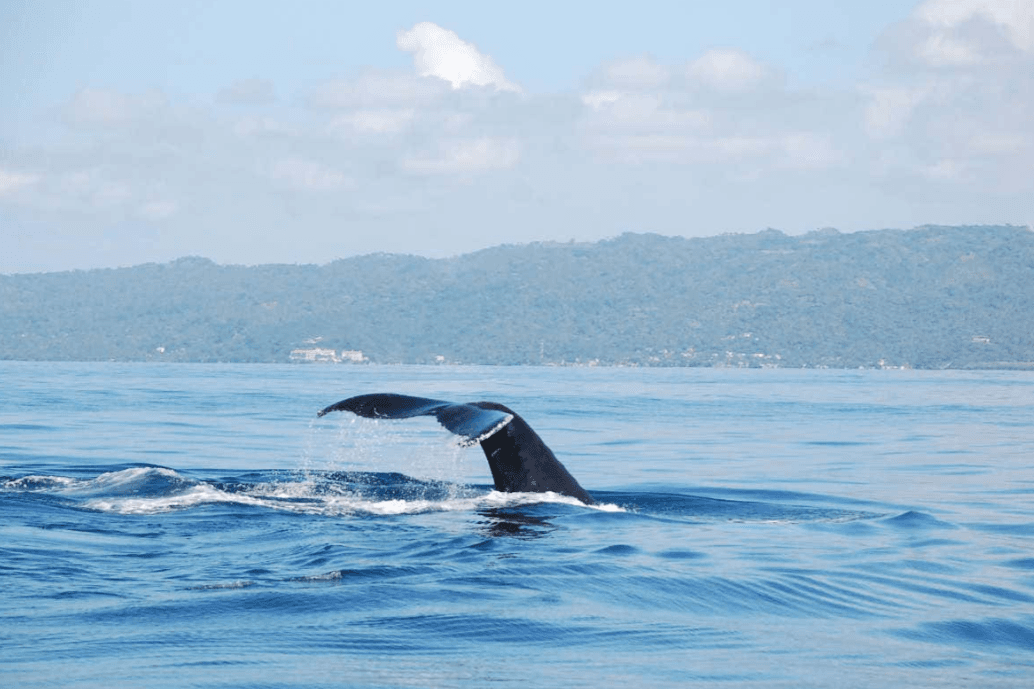
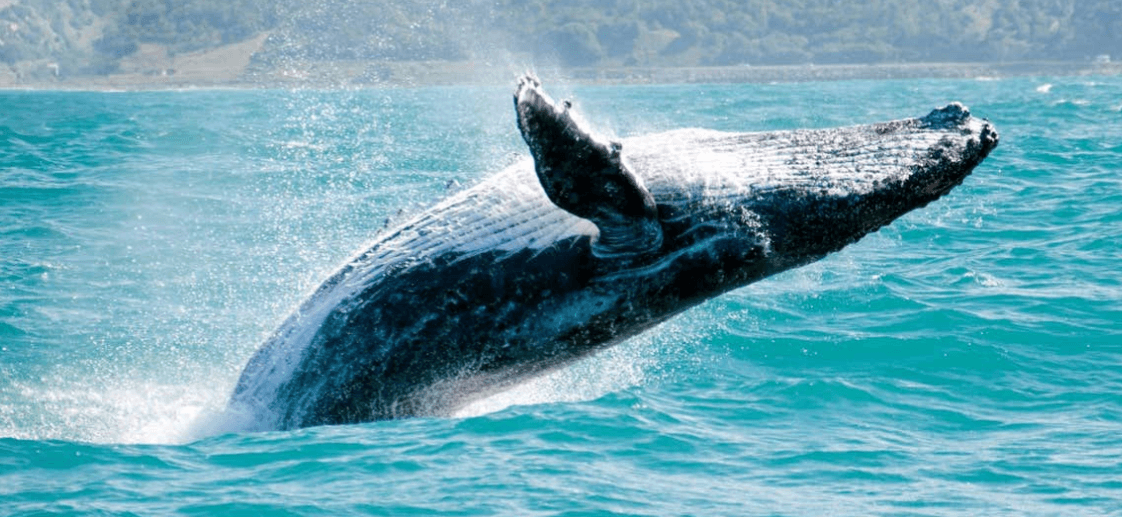
Imagine watching a giant humpback whale rise from the turquoise Caribbean Sea, its tail lifting above the water before disappearing beneath the waves. This unforgettable wildlife experience attracts travelers to Samaná, a beautiful peninsula on the northeastern coast of the Dominican Republic.
Samaná whale watching is one of the region's best-known seasonal attractions. Each year, humpback whales migrate to the warm waters around Samaná Bay, creating opportunities for visitors to observe these remarkable marine mammals in their natural habitat.
Whether you are planning a Caribbean holiday, traveling with family, or looking for a memorable nature excursion, this guide will help you prepare for your 2027 Samaná whale-watching adventure.
Why Visit Samaná for Whale Watching?
Samaná is internationally recognized for its seasonal humpback whale activity. Its coastal waters provide important breeding and calving habitat for North Atlantic humpback whales, making the region a popular destination for marine wildlife enthusiasts.
During a boat excursion, visitors may see whales surfacing, raising their flukes, swimming near the surface, or occasionally breaching. The exact experience varies because whales are wild animals whose movements and behavior cannot be predicted.
The surrounding scenery adds to the adventure. Samaná Bay offers views of tropical hills, green coastlines, fishing communities, and beautiful Caribbean waters.
For travelers who appreciate nature, photography, and marine life, a whale-watching excursion can be a highlight of a Dominican Republic vacation.
When Is Whale-Watching Season in Samaná?
The main whale-watching season in Samaná generally runs from January through March. Whales may be present outside this period, but these months are the usual focus for seasonal excursions.
January: The main season is underway, and visitors begin arriving to look for migrating humpback whales.
February: This month falls within the core whale-watching period and is a popular time to plan a trip.
March: Whale-watching excursions continue during the latter part of the main season, although sightings depend on whale activity and natural conditions.
If you are visiting in 2027, confirm the latest departure schedules and local seasonal guidance before booking. Weather, sea conditions, and wildlife movements can affect individual trips.
Remember that no responsible tour operator can guarantee a whale sighting on every excursion.
What to Expect on a Samaná Whale-Watching Tour
Most excursions begin at a designated meeting point or marina. After checking in, passengers board a boat and travel toward areas where whales are commonly observed during the season.
A guide or crew member may explain whale migration, behavior, and the importance of protecting marine wildlife. Once whales are located, passengers can watch from the boat while following safety instructions.
You might see a whale's tail rise above the water, a powerful splash from a breach, or a mother swimming with her calf. On other trips, sightings may be brief, and passengers may need patience between moments of activity.
Tour duration, departure points, group size, boat type, and included services vary by provider. Review the specific tour description so you know what to expect before making a reservation.
Choosing the Best Samaná Whale-Watching Tour
The right tour depends on your budget, travel schedule, group size, and preferred experience.
Shared Whale-Watching Tours
Shared excursions allow you to join other travelers on a scheduled boat trip. They can be a convenient option for solo travelers, couples, and families who prefer an organized experience.
Before booking, check the departure time, expected duration, passenger capacity, guide arrangements, and cancellation policy.
Private Whale-Watching Tours
Private excursions may offer a more personalized experience for families, couples, or small groups. Some operators provide greater scheduling flexibility, depending on their services and availability.
Compare the total price, what is included, and the operator's wildlife-viewing practices before choosing a private tour.
Responsible Whale-Watching Excursions
Responsible operators respect local regulations and wildlife-viewing guidelines. They avoid chasing or surrounding whales and prioritize safe distances over close-up photographs.
Choose an excursion that explains its wildlife protection practices clearly. The goal is to observe whales without unnecessarily disturbing them.
What Should You Bring?
Preparation helps make your boat trip more comfortable. Consider packing:
- Sunscreen and sunglasses
- A hat for sun protection
- Lightweight clothing and a light jacket
- Drinking water, if permitted by your operator
- A camera or smartphone with a secure strap
- A waterproof bag for valuables
- Motion-sickness supplies if appropriate for you
- Comfortable footwear and personal essentials
The sun can be strong on the water, and wind or sea spray may make conditions feel cooler than expected.
If you are concerned about seasickness, seek advice from a healthcare professional or pharmacist before your excursion. Ask the operator about typical sea conditions and any recommendations for passengers.
Is Samaná Whale Watching Suitable for Families?
Whale watching can be an educational and exciting experience for children. Families have the opportunity to learn about migration, marine ecosystems, and the importance of protecting wildlife.
However, not every boat trip is suitable for every child. Consider the child's age, the expected duration, sea conditions, and the operator's safety requirements.
Confirm minimum-age policies, available safety equipment, and boarding arrangements before booking. Parents and guardians should supervise children throughout the trip and ensure they follow the crew's instructions.
If someone in your group has mobility requirements or is sensitive to boat movement, discuss these needs with the operator in advance.
Tips for Planning Your 2027 Trip
Book during the main season. January through March is generally the best period to plan a whale-watching excursion in Samaná.
Check your departure location. Make sure you know exactly where to meet the operator and how long it will take to get there.
Allow extra travel time. If you are staying outside Samaná, consider road travel, traffic, and check-in requirements when planning your day.
Listen to your guide. Crew members can help you understand whale behavior and identify activity on the water.
Keep your camera ready. Whale activity can happen quickly, so secure your equipment before the boat reaches the viewing area.
Read the booking conditions. Confirm the price, inclusions, departure time, cancellation policy, and arrangements for unsuitable weather.
Stay flexible. Wild animals do not follow a timetable. Patience and realistic expectations make the experience more enjoyable.
Responsible Whale Watching in Samaná Bay
Whale watching is an opportunity to appreciate marine wildlife, but it also comes with a responsibility to protect the animals.
Choose operators that follow applicable regulations and responsible viewing practices. Never attempt to touch whales, throw waste into the sea, or encourage a boat crew to chase animals for a closer photograph.
Follow the captain's instructions and respect any restrictions designed to protect mothers, calves, and other whales.
Responsible tourism helps preserve Samaná's wildlife experience and supports the long-term protection of the marine environment.
What Else Can You Do in Samaná?
A whale-watching excursion can be part of a longer visit to the Samaná Peninsula. Depending on your interests and available time, you can explore local beaches, discover regional cuisine, visit coastal communities, or enjoy the area's tropical scenery.
Some travelers combine whale watching with other local activities. If you plan to do this, check departure and return times carefully and leave enough room for changes caused by weather or sea conditions.
When whale watching is the main purpose of your visit, avoid filling the same day with too many activities. A relaxed schedule makes it easier to enjoy the excursion.
Frequently Asked Questions
What is the best month for whale watching in Samaná?
January, February, and March are generally the main months for whale watching. February is within the core season, but sightings vary naturally.
Can I see humpback whales in Samaná in 2027?
Samaná is a seasonal destination for humpback whale watching, and the main season is generally expected from January through March in 2027. Individual sightings cannot be guaranteed, so check local guidance before traveling.
How long does a whale-watching excursion last?
Trip length depends on the operator, departure point, boat, and package. Check the specific tour details and allow additional time for check-in and transfers.
Are whale sightings guaranteed?
No. Humpback whales are wild animals, and their location and surface activity are unpredictable. Reputable operators should be transparent about this.
Should I reserve a tour in advance?
Booking in advance can help you secure your preferred date and tour type, especially during busy travel periods. Review the cancellation and weather policies before confirming.
What should I wear on the boat?
Wear comfortable clothing suitable for sun, wind, and possible sea spray. Bring sun protection and a light extra layer.
Can I take children whale watching?
Many excursions may welcome children, but age requirements and safety arrangements vary. Confirm the operator's policies before booking.
Plan Your Samaná Whale-Watching Adventure
Samaná whale watching offers a memorable opportunity to discover humpback whales in the Caribbean. By visiting during the main season, selecting a responsible operator, and preparing for the conditions on the water, you can make the most of your trip.
For your 2027 visit, compare available tours, confirm departure arrangements, and review the operator's wildlife-viewing policies before reserving.
Explore the available options at Whales of Samaná and find an excursion that suits your travel plans. With a little preparation and respect for the wildlife, your visit can become a highlight of your Dominican Republic vacation.

Local explorer & expert guide in Whales of Samaná.