Samaná Whale Watching and Marine Conservation: How Visitors Can Protect Humpback Whales
Samaná is known for its seasonal humpback whale encounters, offering visitors an opportunity to observe one of the ocean's most remarkable marine mammals. Yet whale watching is about more than seeing whales surface or raise their tails above the water. It is also an opportunity to understand why marine conservation matters and how responsible tourism can help protect wildlife.
Every visitor, tour operator, and local community member has a role to play in keeping whale-watching experiences respectful of the natural environment. By learning about whale behavior, choosing responsible excursions, and making thoughtful decisions on the water, travelers can enjoy Samaná while helping support the long-term protection of its marine ecosystem.
This guide explores the connection between whale watching and conservation, with practical advice for visitors planning a trip to Samaná.
Why Is Marine Conservation Important in Samaná?
Marine ecosystems support a wide range of living organisms, from microscopic plankton to large whales. These organisms interact in complex ways, and the health of the ocean influences the wildlife that depends on it.
Humpback whales are especially interesting because they migrate between different regions throughout the year. They use warmer tropical waters for important parts of their reproductive cycle and travel to other feeding grounds as seasons change.
Samaná's seasonal whale-watching activity allows visitors to witness part of this natural cycle. Protecting the environment where whales gather is important not only for the animals themselves but also for the wider marine ecosystem.
Healthy marine environments benefit wildlife, coastal communities, scientific research, and nature-based tourism.
Understanding Humpback Whales in Samaná
Humpback whales are large marine mammals known for their long pectoral fins, distinctive tail flukes, and complex vocalizations.
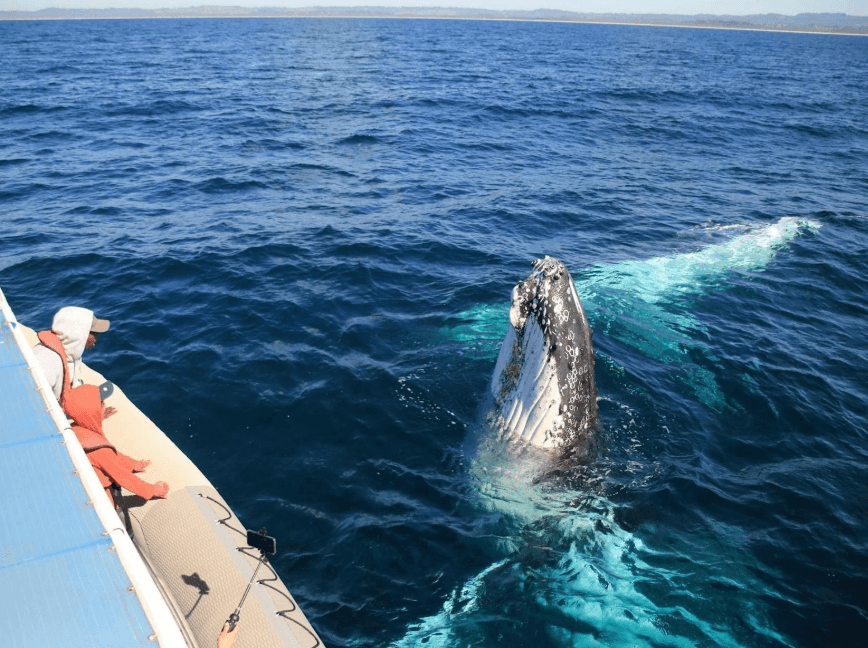
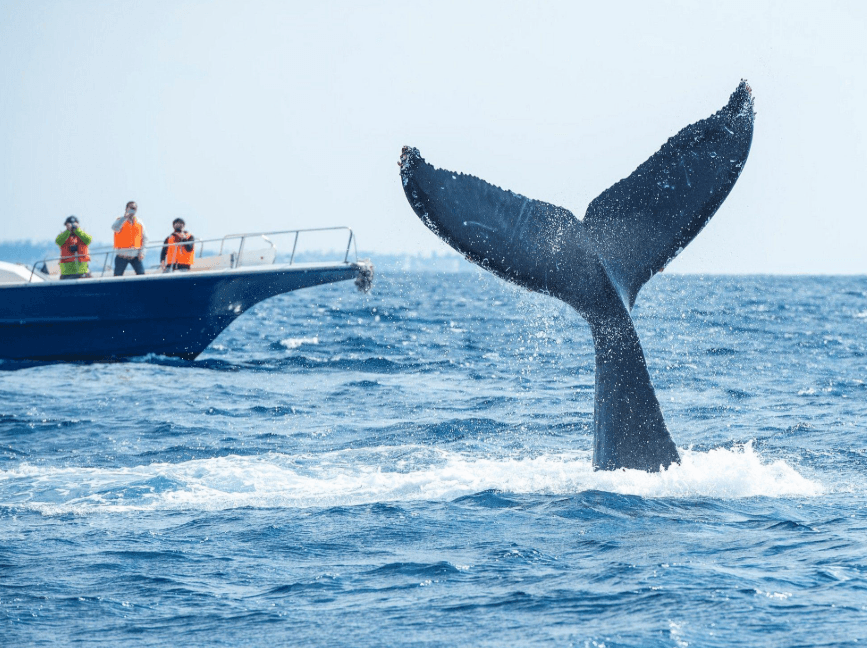
During the main whale-watching season, visitors may observe several types of behavior, including surfacing, tail movements, and occasional breaches. These actions are part of the animals' natural behavior, and their purpose can vary.
The presence of mothers and calves can make the season particularly meaningful for visitors interested in whale biology. However, the animals' behavior changes from one encounter to another, and no excursion can guarantee a specific sighting.
Understanding that whales are wild animals helps visitors appreciate why patience, distance, and quiet observation matter.
How Responsible Whale Watching Protects Wildlife
Whale watching can provide educational and economic benefits, but poorly managed wildlife tourism can disturb animals.
Responsible whale watching aims to reduce unnecessary interference with whale behavior while allowing people to observe the animals safely.
1. Maintaining Appropriate Distances
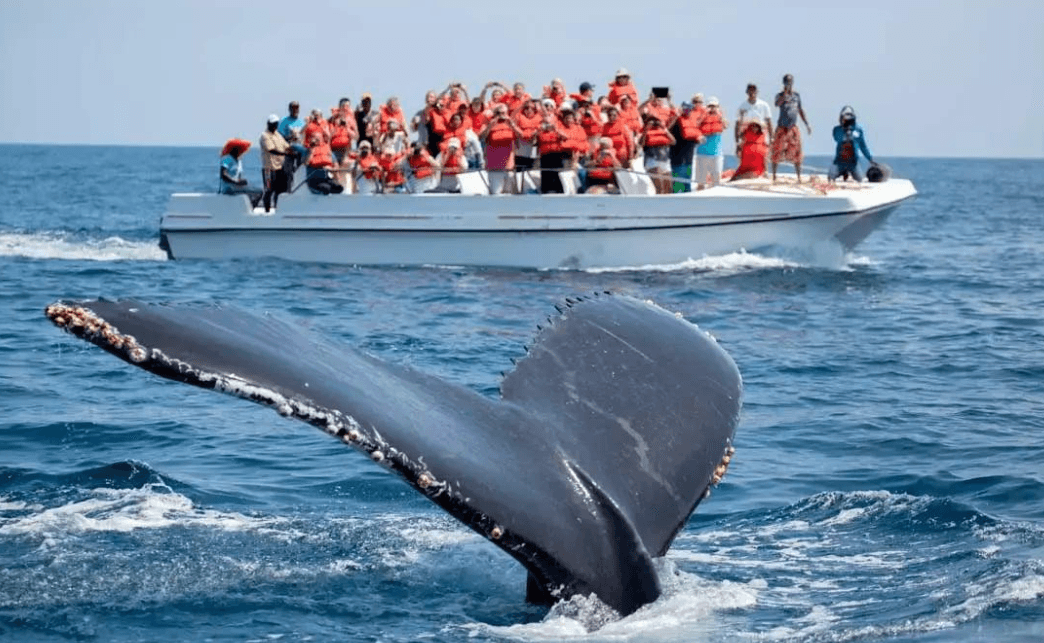
Boats should follow applicable wildlife-viewing regulations and operator procedures designed to avoid disturbing whales. Approaching too closely, crowding an animal, or repeatedly pursuing it can create unnecessary stress.
Visitors should follow the captain's instructions and avoid encouraging an operator to move closer simply to obtain a better photograph.
A whale seen at a respectful distance is still an extraordinary wildlife encounter.
2. Avoiding Sudden or Aggressive Boat Movements
Responsible operators should navigate carefully around wildlife and follow applicable rules for approaching and leaving viewing areas.
Sudden changes in direction, unnecessary acceleration, or attempts to surround whales can interfere with responsible viewing practices.
Passengers can help by remaining seated or in designated areas when instructed and avoiding pressure on the crew to chase animals.
3. Respecting Mothers and Calves
A mother and calf may be particularly interesting to observe, but visitors should not assume that a young whale's presence justifies a closer approach.
The operator should follow the relevant wildlife-viewing requirements and prioritize the animals' welfare. Travelers should accept that the best view may sometimes be from farther away.
4. Following Crew Instructions
The crew is responsible for managing the excursion and responding to changing conditions. Instructions about seating, movement, noise, and viewing positions help protect passengers and support responsible wildlife observation.
If the crew asks passengers to remain in a particular area or stop an activity, follow those directions.
The Role of Tour Operators in Whale Conservation
Tour operators help shape how visitors experience Samaná's marine environment. Their decisions can influence wildlife disturbance, passenger education, and the overall quality of the excursion.
When comparing operators, look for clear information about safety, wildlife-viewing procedures, and the environmental practices they follow.
Responsible providers should be willing to explain how they approach whale sightings, what rules govern their excursions, and how they handle encounters when conditions change.
Education Before and During the Tour
Visitors benefit when guides explain whale migration, natural behavior, and the importance of respecting wildlife.
A short explanation before departure can help passengers understand why boats may need to wait, maintain distance, or leave a viewing area.
Educational interpretation also gives travelers a better understanding of the ecosystem beyond the immediate excitement of seeing a whale.
Following Applicable Guidelines
Tour operators should comply with applicable local requirements and wildlife-viewing regulations. Travelers can support this approach by selecting providers who communicate their practices clearly.
Do not assume that every operator follows the same standards. Ask questions before booking if environmental responsibility is important to you.
How Whale-Watching Tourism Can Support Local Communities
Seasonal whale watching can contribute to the local economy by creating demand for guides, boat crews, transportation, restaurants, accommodation, and other visitor services.
When tourism is managed responsibly, local communities can benefit from visitors who appreciate the region's natural environment.
Travelers can help support the local economy by choosing reputable local businesses, purchasing goods and services locally, and treating residents and workers respectfully.
However, tourism income does not automatically guarantee conservation. Positive outcomes depend on responsible management, compliance with relevant rules, environmental awareness, and meaningful community participation.
Six Ways Visitors Can Help Protect Samaná's Marine Environment
You do not need to be a marine biologist to make thoughtful choices during your visit.
Choose a Responsible Tour Provider
Research the operator before booking. Look for transparent information about safety, wildlife-viewing procedures, and environmental practices.
Avoid Disturbing Wildlife
Never encourage a boat crew to chase, crowd, or harass whales. Do not attempt to touch or feed wild marine animals.
Reduce Waste
Bring reusable items where practical and permitted. Take personal rubbish back to shore and follow the crew's instructions for waste disposal.
Never throw plastic, food packaging, cigarette butts, or other rubbish into the ocean.
Use Sunscreen Thoughtfully
Follow the product's instructions and avoid allowing personal-care products to enter the water unnecessarily. If you are concerned about ingredients, research products suitable for your activities and local environmental conditions.
No sunscreen should be described as completely harmless to every marine ecosystem.
Respect Local Guidance
Listen to guides and crew members, follow designated routes and visitor instructions, and respect any restrictions in protected areas.
Share Accurate Information
When discussing your trip online, avoid exaggerating sightings or promoting irresponsible close encounters. Share educational information and encourage others to respect wildlife.
What Can Travelers Learn From a Whale-Watching Excursion?
A well-managed excursion can be an introduction to broader marine conservation topics.
Visitors may learn about:
- Humpback whale migration and reproduction
- The relationship between whales and their marine environment
- Why wildlife-viewing distances matter
- The importance of reducing ocean pollution
- How coastal communities participate in tourism
- Why conservation requires long-term cooperation
These lessons can extend beyond the excursion itself. Travelers who develop a better understanding of marine ecosystems may become more aware of how everyday choices affect the environment.
When Can You Support Whale Conservation Through a Visit?
Humpback whale watching in Samaná is seasonal. The main season generally runs from January through March, with activity sometimes extending into April. Exact timing and wildlife activity vary from year to year.
If you plan to visit during the 2027 season, confirm tour schedules and local guidance with an appropriate operator before making arrangements.
Conservation is not limited to the whale-watching season. Responsible waste management, respect for coastal habitats, and support for sustainable local businesses remain important throughout the year.
Frequently Asked Questions
Does whale watching help protect humpback whales?
Responsible whale watching can raise awareness, provide educational opportunities, and contribute to local livelihoods. However, tourism alone does not guarantee conservation. Good management and compliance with wildlife-protection measures remain essential.
Can whale watching disturb whales?
It can if boats approach too closely, pursue animals aggressively, or otherwise interfere with their behavior. Responsible operators follow appropriate viewing procedures to reduce disturbance.
What should I look for in an eco-conscious whale-watching tour?
Look for clear safety information, transparent wildlife-viewing practices, respect for applicable regulations, and guides who explain marine conservation. Be cautious of promises of guaranteed close encounters.
Why should boats keep their distance from whales?
Maintaining appropriate distances helps reduce unnecessary interference with wild animals. It also supports safer encounters for passengers and crews.
How can tourists reduce ocean pollution during their visit?
Avoid littering, manage waste responsibly, minimize unnecessary single-use items, and follow local guidance about waste disposal. Never discard rubbish into the sea.
Is Samaná whale watching available throughout the year?
The main humpback whale-watching season generally occurs from January through March, sometimes extending into April. Availability outside this period depends on seasonal wildlife activity and tour operations.
Protecting Samaná's Whales Starts With Responsible Choices
Whale watching offers visitors a chance to experience the natural world in a memorable way. In Samaná, that opportunity comes with a responsibility to respect the animals, the marine environment, and the communities that make wildlife tourism possible.
By choosing responsible operators, following crew instructions, reducing waste, and learning about humpback whales, visitors can help promote a more thoughtful approach to marine tourism.
The most meaningful whale-watching experience is not necessarily the closest encounter. It is one that allows people to appreciate these remarkable animals without placing unnecessary pressure on their natural environment.

Local explorer & expert guide in Whales of Samaná.