Samaná Whale Watching 2027: The Complete Visitor Guide
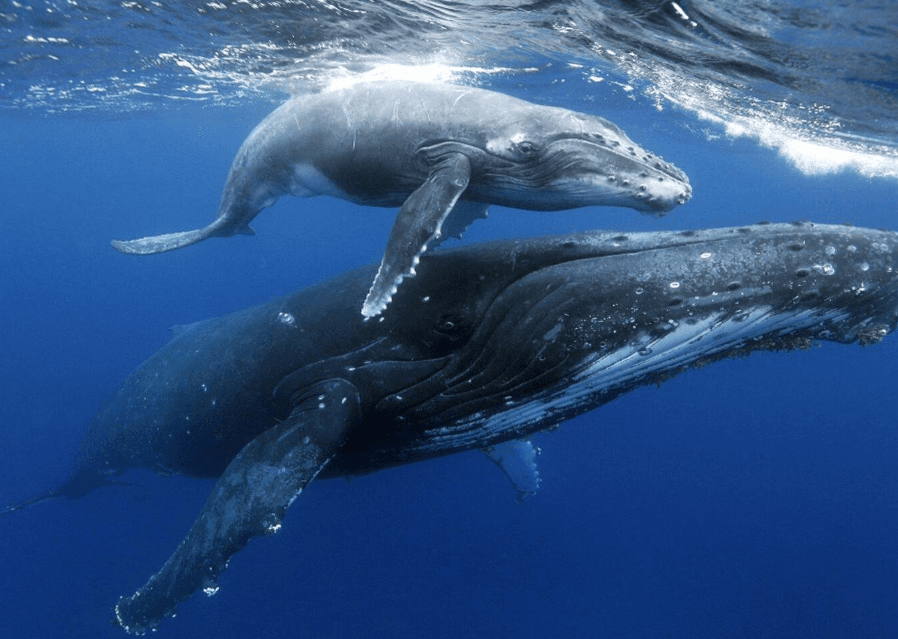
Samaná whale watching is one of the most memorable wildlife experiences in the Dominican Republic. Every year, humpback whales visit the warm waters of Samaná Bay during their breeding season, creating opportunities for visitors to observe these remarkable marine mammals in their natural environment.
If you are planning a trip in 2027, this guide will help you understand when to go, what to expect on a whale-watching excursion, how to plan transportation, and what to consider before booking your tour.
Whether you are traveling as a couple, visiting with family, staying in Punta Cana, or exploring the Samaná Peninsula, understanding your options will help you plan a more enjoyable experience.
When Is Whale-Watching Season in Samaná in 2027?
The main whale-watching season in Samaná generally runs from January through March, with humpback whales visiting the region as part of their annual migration. Some official seasonal programs and observation periods may extend beyond these months, so travelers should check current local guidance when planning a trip.
February is often a popular month for whale-watching trips because it falls within the core season. However, no particular date guarantees a sighting.
The exact number of whales visible during a trip depends on natural conditions, whale movements, weather, and other factors.
Which month should you choose?
- January: A good option for travelers visiting near the beginning of the main season.
- February: A popular choice for visitors planning their trip around the core whale-watching period.
- March: An option for travelers visiting toward the later part of the main season.
- Outside the main season: Whale-watching excursions may not operate in the same way, so confirm the seasonal schedule before making travel plans.
For more detailed planning, consult the official seasonal guidance and the tour operator's current schedule before choosing your dates.
Why Do Humpback Whales Visit Samaná Bay?
Humpback whales undertake long migrations between feeding grounds in colder waters and breeding areas in warmer tropical and subtropical regions.
The waters around the Dominican Republic form part of an important North Atlantic humpback whale breeding area. Whales visit this region for breeding and calving, making Samaná Bay a significant destination for seasonal whale observation.
During the season, visitors may observe different behaviors, including:
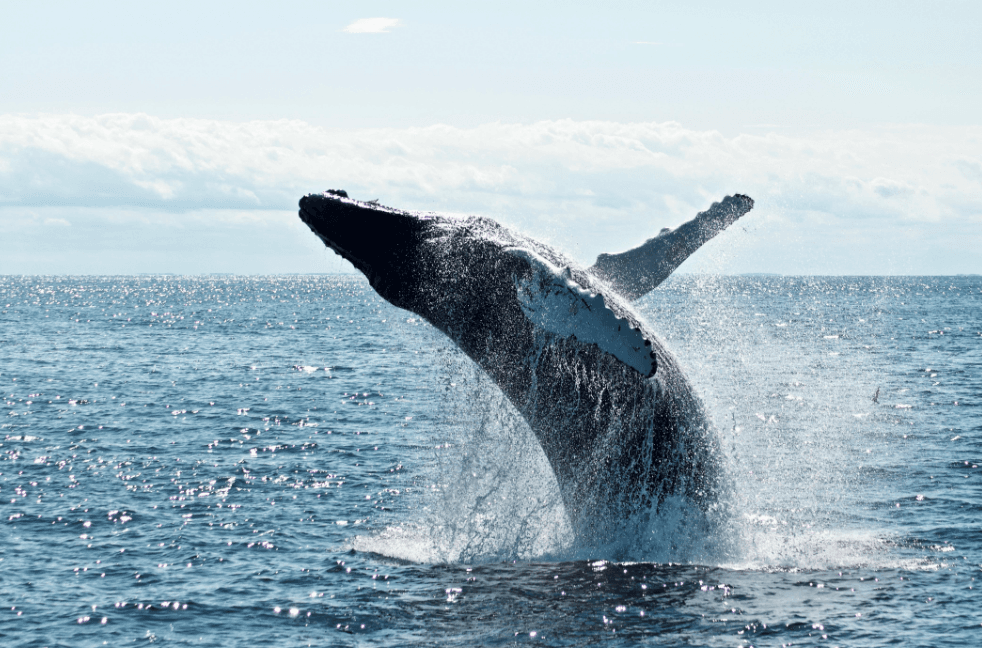
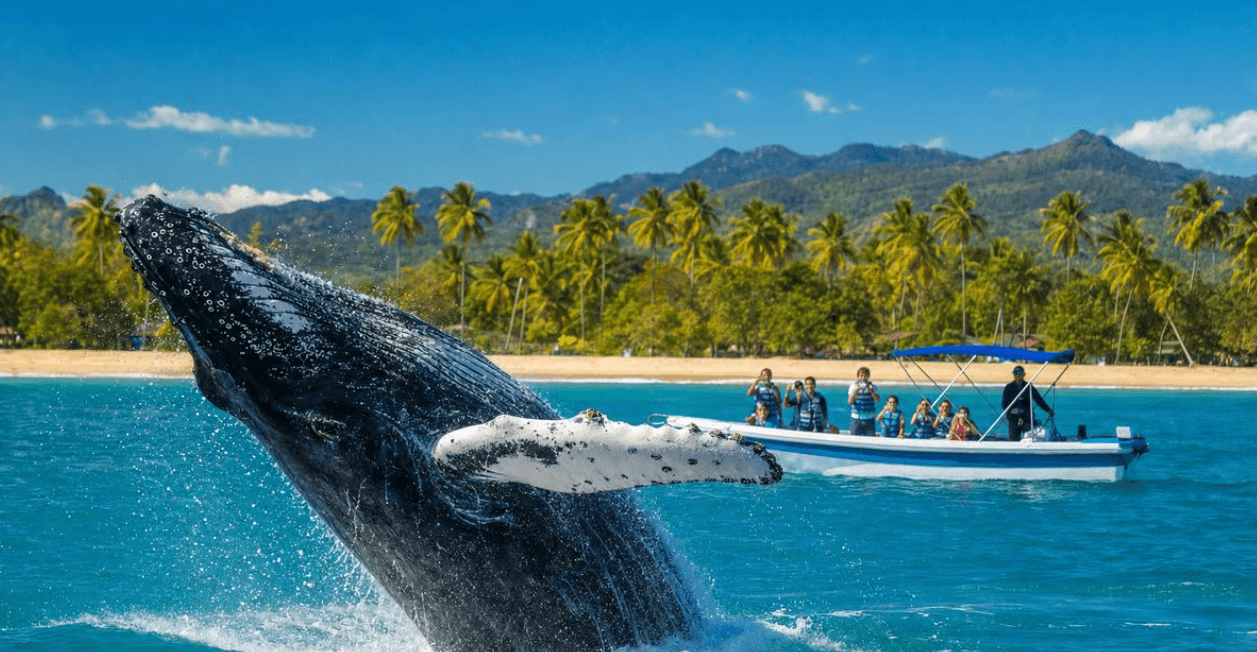
- Breaching: A whale launches part or most of its body out of the water.
- Tail slapping: A whale strikes the water with its tail flukes.
- Pectoral fin movements: Whales lift or slap their long pectoral fins against the surface.
- Surface swimming: Whales move through the water and occasionally surface near a boat.
- Mother-and-calf activity: Visitors may sometimes observe mothers traveling with their calves.
These behaviors are natural and unpredictable. A whale may remain underwater for an extended period, and not every trip includes dramatic surface displays.
The best approach is to enjoy the entire experience rather than expecting a specific behavior.
Where Does Samaná Whale Watching Take Place?
Samaná Bay is located on the northeastern side of the Dominican Republic, near the Samaná Peninsula. It is one of the best-known locations in the country for seasonal humpback whale observation.
The wider region includes several places that visitors may use as a base for their trip.
Santa Bárbara de Samaná
Santa Bárbara de Samaná, commonly called Samaná town, is a practical base for travelers exploring the peninsula. Visitors can investigate local excursion departures, accommodation, restaurants, and other attractions.
If you are staying in town, confirm the exact meeting point and departure arrangements with your chosen operator.
Las Terrenas
Las Terrenas is a coastal destination on the Samaná Peninsula known for its beaches, restaurants, and accommodation options.
Travelers staying there should check the transport time to the actual whale-tour departure point. Do not assume that a tour departs directly from Las Terrenas unless the operator confirms it.
Miches
Miches is another destination in the eastern Dominican Republic that travelers may consider when organizing nature excursions.
If you are staying in Miches, compare the available departure arrangements and total journey time before booking. A tour marketed to visitors staying in Miches may still require transportation to a separate departure point.
Punta Cana
Punta Cana is farther from Samaná than the destinations on the peninsula. A trip from Punta Cana therefore requires particular attention to transportation, departure timing, and the total duration of the excursion.
Before booking, verify whether the advertised package includes round-trip transportation, where pickup occurs, how long the journey takes, and whether the itinerary is suitable for your holiday schedule.
How to Choose a Samaná Whale-Watching Tour
Different tours can offer different experiences. The right choice depends on your accommodation, budget, group size, comfort preferences, and the amount of time you have available.
1. Shared group tours
A shared tour may suit solo travelers, couples, and small groups who want to join a scheduled excursion.
Before booking, confirm the group size, meeting location, departure time, duration, included services, and cancellation conditions.
2. Private whale-watching tours
A private trip may be worth considering for families, couples seeking a more personalized experience, photographers, or groups who prefer a private arrangement.
Ask the operator what is actually included in the private package. Private does not automatically mean a smaller boat, a longer trip, or a better chance of seeing whales.
3. Whale watching combined with other attractions
Some itineraries combine whale watching with other regional attractions, potentially including Cayo Levantado or other Samaná excursions.
A combination trip can help travelers make the most of a visit, but the itinerary should be checked carefully. Confirm how much time is allocated to each activity, whether transport between locations is included, and whether the activities can realistically fit into one day.
Compare the actual itineraries rather than choosing solely by the number of attractions advertised.
How Much Does Whale Watching in Samaná Cost?
The cost of a Samaná whale-watching excursion depends on the tour operator and package.
Factors that can affect the price include:
- Shared or private boat arrangements.
- Departure location and transportation requirements.
- Tour duration and itinerary.
- Included meals, drinks, or other services.
- Combination excursions and additional attractions.
- Booking terms, cancellation conditions, and group size.
There is no single price that applies to every tour. Prices can also change between seasons and operators.
When comparing offers, calculate the total cost for your group and check what is included. A less expensive tour may not include the same transportation or additional activities as another package.
Planning tip: Before paying, ask for the total price, currency, departure point, pickup arrangements, included services, and cancellation policy in writing.
To compare current options, start with the relevant Samaná whale-watching tour listings. Confirm that the selected listing matches your intended travel date and departure location.
How to Get to Samaná for Whale Watching
Your transportation plan is an important part of the experience, especially if you are staying outside the peninsula.
From Punta Cana
Travelers coming from Punta Cana should compare organized excursions with independent transportation and accommodation options.
An organized day trip may simplify logistics if transport is included, but the overall journey can be long. Confirm pickup locations, estimated travel duration, the tour's departure point, and the expected return time before committing.
If you are considering a tour from Punta Cana, review the actual itinerary and verify whether the package includes round-trip transfers.
From Santo Domingo
Visitors staying in Santo Domingo should plan the journey to the Samaná Peninsula in advance. Check road travel arrangements and the time needed to reach the tour's departure point.
If the whale-watching boat leaves early, consider whether traveling on the same day is practical or whether staying overnight nearby would make the trip more comfortable.
From Las Terrenas or Samaná town
Travelers already staying on the peninsula may have more flexible options, depending on where their accommodation is located.
Confirm whether the operator provides pickup or requires you to reach a meeting point independently. Allow extra time for road conditions and local transport arrangements.
What Should You Bring on a Whale-Watching Trip?
Preparing for the boat journey can make the experience more comfortable.
Consider bringing:
- Sunscreen and sunglasses.
- A hat that fits securely.
- Drinking water, subject to the operator's rules.
- Comfortable clothing suitable for the weather.
- A light waterproof jacket or protective layer.
- A camera or smartphone with a secure strap.
- Any personal motion-sickness remedies you already know are suitable for you.
- A small waterproof bag for valuables.
Follow the operator's advice about footwear, food, drinks, and equipment. Keep personal belongings secure and avoid bringing unnecessary items that could get wet.
If you are traveling with children, ask about life jackets, minimum age requirements, and any restrictions that apply to the boat.
Is Samaná Whale Watching Suitable for Families?
Whale watching can be an exciting nature experience for families, particularly children interested in marine life.
However, suitability depends on the child’s age, the boat, sea conditions, trip duration, and the operator's safety requirements.
Before booking a family excursion, ask:
- Is there a minimum age for children?
- Are suitable life jackets available?
- How long will the boat trip last?
- Is the boat suitable for our group's needs?
- What happens if weather or sea conditions become unsuitable?
- Are there restrictions on pregnant passengers or people with mobility limitations?
Do not assume every tour is suitable for every age group. Choose an operator that clearly explains its safety arrangements and passenger requirements.
Responsible Whale Watching: Protecting the Whales
Seeing humpback whales in the wild is a privilege, and responsible observation helps protect these animals and their habitat.
Whales are wild animals, not performers. Their behavior should never be forced for photographs or entertainment.
When choosing an excursion, look for an operator that follows current Dominican Republic regulations and responsible wildlife-observation practices.
Good practices include:
- Following the captain's and crew's instructions.
- Respecting applicable rules on boat approach distances and speed.
- Avoiding any attempt to touch, feed, chase, or deliberately surround whales.
- Never asking an operator to pursue an animal aggressively for a closer photograph.
- Respecting restrictions around mothers and calves.
- Following official guidance when conditions or wildlife behavior require a boat to move away.
Ask the operator about its current permits, wildlife-observation procedures, and safety practices if this information is not clearly provided.
For conservation information, consult the Dominican Republic's relevant environmental authorities and established marine research organizations.
What If You Do Not See Whales?
Whale watching takes place in a natural environment, so sightings cannot be guaranteed.
Whales may move to another area, remain underwater, or simply be difficult to observe during a particular trip. Weather and sea conditions may also affect whether an excursion can operate.
Before booking, read the operator's policy concerning unsuccessful sightings, cancellations, and weather-related changes.
Some operators may offer specific arrangements, but these should never be assumed. Ask whether a refund, rescheduling, or another option is available and request the applicable terms before paying.
A transparent policy helps you understand the risks and make an informed booking decision.
Other Things to Do Around Samaná
If you are planning to spend more than one day in the region, consider exploring its other attractions.
Cayo Levantado
Cayo Levantado is an island destination associated with beaches and coastal scenery. It may fit into a longer Samaná itinerary or a suitable combination excursion.
Check transport arrangements, access conditions, and the amount of time available for each activity.
Los Haitises National Park
Los Haitises National Park is known for its distinctive limestone formations, mangrove ecosystems, caves, and coastal landscapes.
It is a separate nature experience from whale watching. Travelers interested in both activities should compare dedicated tours and combination itineraries before deciding how to organize their visit.
Explore Los Haitises National Park tour options to investigate the available excursions.
Samaná town and the waterfront
Samaná town can be a convenient place to explore local dining, waterfront scenery, and the surrounding peninsula.
If you have additional time, plan a relaxed local itinerary rather than trying to fit every attraction into one busy day.
Frequently Asked Questions
When is the best time to see whales in Samaná in 2027?
January through March is the main period many travelers consider for Samaná whale watching. February falls within the core season, but the best date for an individual sighting cannot be guaranteed.
Are whale sightings guaranteed?
No. Humpback whales are wild animals, and their movements and behavior are unpredictable. Check the operator's policy before booking.
Can I go whale watching from Punta Cana?
It may be possible to arrange an excursion from Punta Cana, depending on the operator and season. Verify the actual departure location, transportation, duration, and itinerary before paying.
How long does a Samaná whale-watching tour take?
The duration depends on the tour, departure point, transportation, and whether additional activities are included. Confirm the total itinerary with the operator rather than relying on the boat-trip duration alone.
Should I book a private or shared tour?
A shared tour may suit travelers looking for a scheduled group experience. A private trip may be preferable for groups seeking a more personalized arrangement. Compare inclusions, group size, costs, and safety arrangements before deciding.
Can I combine whale watching with Cayo Levantado?
Some excursions may combine the activities. Verify the itinerary, transport arrangements, time allocated to each stop, and any additional fees.
Is whale watching suitable for people who get seasick?
It depends on the individual and the sea conditions. Ask the operator about the boat, expected journey conditions, and available facilities. If you are prone to motion sickness, plan ahead and seek appropriate advice about preventive options.
What should I check before booking?
Confirm the date, meeting point, pickup arrangements, total price, duration, inclusions, passenger requirements, cancellation policy, and what happens if the trip is canceled or whales are not spotted.
Plan Your Samaná Whale-Watching Experience for 2027
Samaná offers travelers the opportunity to experience humpback whales in an important natural habitat while exploring one of the Dominican Republic's distinctive coastal regions.
A successful trip starts with choosing suitable dates, understanding the departure arrangements, comparing tour options, and selecting an operator that takes passenger safety and wildlife protection seriously.
If you are planning a visit in 2027, compare the available excursions and confirm the details directly before making a reservation.
Ready to plan your trip? Explore the available Samaná whale-watching tours, review the itinerary and booking conditions, and choose an excursion that fits your travel plans.
Editorial note: Seasonal dates are general planning guidance. Verify current 2027 operating schedules, prices, permits, regulations, and tour inclusions before publication. The links above are starting points, not a guarantee of specific availability or booking terms.

Local explorer & expert guide in Whales of Samaná.