Planning Your First Samaná Whale-Watching Trip in 2027
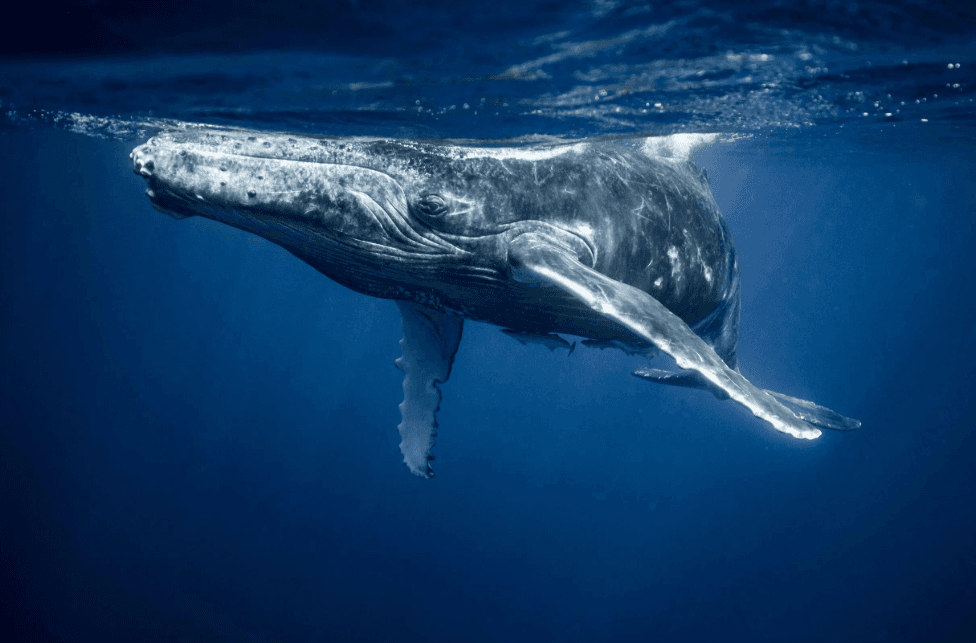
Seeing a humpback whale rise above the Caribbean Sea is an experience that can make a trip to the Dominican Republic unforgettable. If you are planning your first whale-watching excursion in Samaná in 2027, a little preparation can help you choose the right tour, organize your transportation, and enjoy the experience responsibly.
Samaná Bay, on the northeastern coast of the Dominican Republic, is an important seasonal destination for North Atlantic humpback whales. These whales migrate to Caribbean waters during the winter breeding season, creating opportunities for visitors to observe them from authorized excursion boats. The main whale-watching period generally falls between January and March, although the exact dates and wildlife activity vary.
Visit Dominican Republic
+1
Instead of choosing a trip based only on photographs or promotional claims, focus on the details that make an excursion suitable for your schedule, budget, travel companions, and expectations.
This guide walks you through the planning process, from selecting a departure location to preparing for your day on the water.
Why plan a whale-watching trip in Samaná?
Samaná offers a combination of coastal scenery, marine wildlife, and access to a protected marine environment. During the annual migration, humpback whales enter the region's warm waters as part of their breeding cycle.
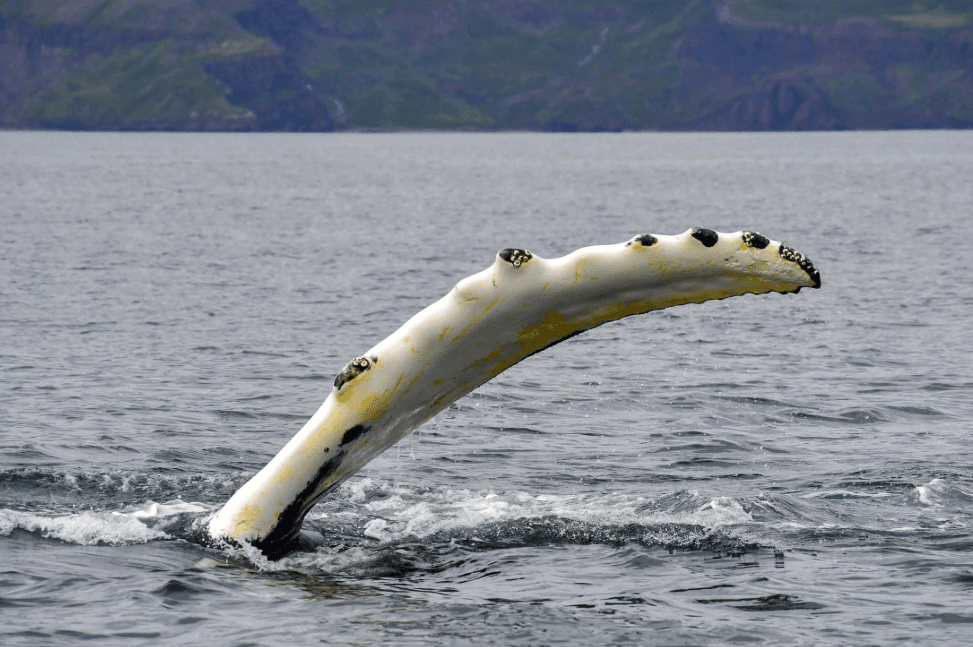
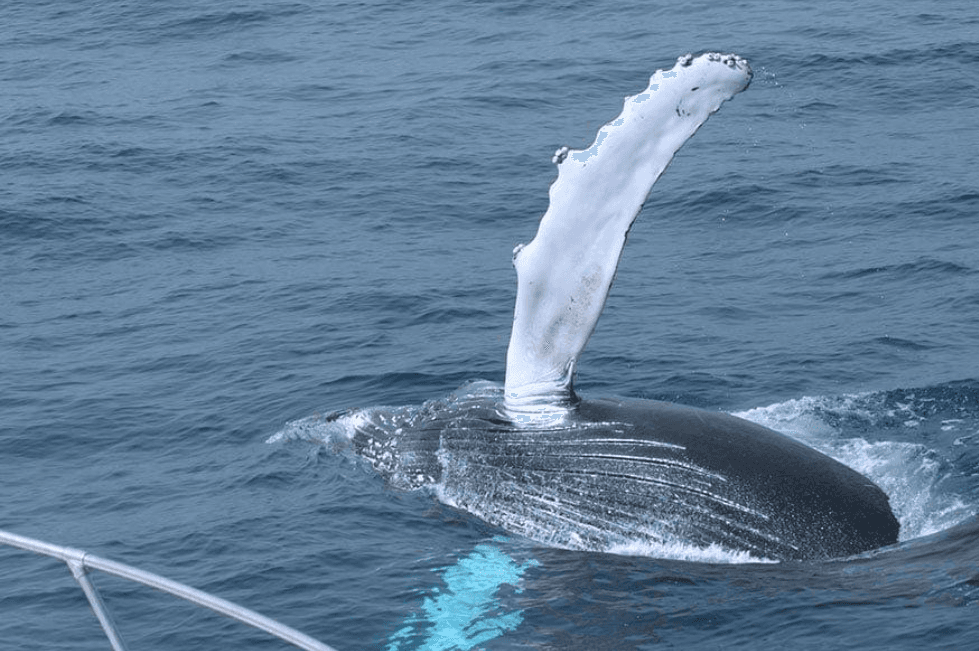
Depending on natural conditions, visitors may observe whales surfacing, raising their tails, swimming with calves, or displaying other behaviors. These are wild animals, however, and no responsible operator can guarantee a specific behavior or a sighting on every departure.
A successful trip is therefore not just about seeing a whale. It is also about choosing a well-organized excursion, understanding the environment, and respecting the animals being observed.
Samaná can also be a base for other regional experiences, including coastal sightseeing and visits to nearby attractions. If you plan to combine activities, check whether your chosen itinerary realistically allows enough time for each one.
When should you plan your 2027 excursion?
The usual whale-watching season runs from January through March. Those months provide the main planning window for travelers hoping to observe humpback whales around Samaná Bay.
Visit Dominican Republic
+1
For 2027, there is one important distinction: the Dominican Republic's Ministry of Environment announced an authorization process for vessels operating during the 2027 whale-watching season. The application period was scheduled to run from October 16 through November 13, 2026. This is an operator authorization process, not confirmation of every excursion's operating dates.
+1
Before finalizing your plans:
- Confirm that your preferred operator is authorized for the relevant season.
- Ask which dates the excursion is expected to operate.
- Check whether departure depends on sea conditions or other operational factors.
- Review cancellation and rescheduling terms before paying.
- Leave room in your itinerary for unexpected travel or weather-related changes.
If your trip to the Dominican Republic is built around whale watching, consider allowing flexibility rather than relying on one tightly scheduled activity.
Choose the departure location before booking
One of the most important planning decisions is where your excursion begins. A tour advertised as a Samaná whale-watching experience may involve a different departure point depending on the operator and itinerary.
Potential departure areas associated with regional whale-watching operations include Samaná, Las Galeras, Miches, Sabana de la Mar, and Las Cañitas. The Ministry of Environment includes these locations in its 2027 vessel-authorization information, but that does not mean every operator offers departures from each location.
+1
When comparing excursions, ask the operator these questions:
- What is the exact meeting point?
- How long will it take to reach the departure location from my accommodation?
- Is transportation included in the tour price?
- What time should I arrive?
- Is the trip a direct whale-watching excursion or part of a longer itinerary?
Do not assume that a tour departing from one part of the peninsula will be convenient for someone staying elsewhere. Confirm the address and transfer arrangements before booking.
Compare tours using more than the advertised price
Different excursions can vary in boat type, group size, transportation arrangements, trip duration, and included services. A low advertised price may not represent the total cost of your outing if transfers or other services are charged separately.
Use the following checklist to compare options.
What to check
Why it matters
Departure point
Determines your travel arrangements
Total price
Helps you compare the actual cost
Transportation
Clarifies whether hotel transfers are included
Boat type
Helps you understand the general onboard experience
Group size
Sets expectations about the excursion
Duration
Helps you plan the rest of your day
Included services
Clarifies what you receive for the price
Cancellation terms
Explains what happens if plans change
Wildlife policy
Shows how the operator approaches responsible viewing
If you are traveling as a couple, a family, or a private group, ask whether the available trip format suits your needs. Families should confirm any minimum age requirements, safety equipment, and restrictions directly with the operator.
For a commercial comparison, see the relevant tour listings on Whales of Samaná. Check the current availability, inclusions, and booking conditions before making a decision.
Prepare for a comfortable day on the water
Even in a tropical destination, conditions on a boat can feel cooler and windier than they do on land. Preparation can make the excursion more comfortable.
Consider packing the following items:
- Sun protection: Bring sunscreen, sunglasses, and a hat that fits securely.
- Lightweight outer layer: A windbreaker can be useful when the boat is moving.
- Drinking water: Follow your operator's guidance about bringing water and any restrictions on containers.
- Camera or phone: Bring a secure case or strap if you plan to photograph the whales.
- Motion-sickness preparation: If you are prone to seasickness, speak with a healthcare professional or pharmacist before traveling about suitable precautions.
- Comfortable clothing: Choose clothes that can handle sea spray and changing conditions.
- Personal essentials: Bring any necessary medication and keep valuables protected from water.
Ask the operator whether food, drinks, restrooms, shade, and life jackets are available on the specific boat you have booked. Do not assume these features are included simply because another tour offers them.
What should you expect during the excursion?
A whale-watching trip generally involves traveling by boat into an area where humpback whales may be present. The precise itinerary, duration, and observation opportunities depend on the departure location, operator, sea conditions, and whale activity.
Your experience may include stretches of open water, time spent watching for movement at the surface, and periods when whales are not visible. Patience is part of wildlife watching.
When whales are spotted, follow the crew's instructions. Avoid leaning dangerously over the sides of the boat, blocking other passengers' views, or making sudden movements that could put you or others at risk.
Remember that sightings can differ from one trip to another. A whale may surface briefly, remain underwater for a period, or move away from the observation area. The absence of a dramatic breach does not mean the excursion has failed.
The best approach is to enjoy the wider experience while keeping your expectations realistic.
Choose a responsible whale-watching operator
Wildlife protection should be part of your booking decision, not an afterthought.
Samaná Bay has established rules for whale observation, including restrictions on how boats approach whales and how many vessels may observe a group at a time. The International Whaling Commission describes a local management system involving environmental authorities, tourism authorities, boat operators, and conservation organizations.
Whale Watching Handbook
+1
Before booking, look for an operator that:
- Can confirm its required authorization for the season.
- Explains how it follows local whale-watching regulations.
- Instructs passengers to remain seated or in designated areas when appropriate.
- Does not encourage swimming with wild whales.
- Avoids promising guaranteed encounters or particular whale behaviors.
- Gives clear safety instructions before departure.
Can you combine whale watching with other attractions?
Possibly. Depending on your departure point and the excursion you select, you may be able to combine whale watching with other experiences in the Samaná region.
Popular attractions in the wider region include:
- Cayo Levantado: An island destination known for its beaches and coastal scenery.
- Los Haitises National Park: A protected landscape featuring mangroves, limestone formations, and distinctive coastal ecosystems.
- El Limón Waterfall: A natural attraction often included in broader Samaná sightseeing plans.
These destinations are not automatically included in a whale-watching excursion. Check the exact itinerary, transport time, admission costs, and available daylight before purchasing a combination package.
If you prefer a relaxed day rather than a packed schedule, consider booking whale watching as the main activity and arranging additional sightseeing separately.
Common planning mistakes to avoid
First-time visitors can prevent many problems by checking a few details in advance.
Booking without confirming the meeting point. A tour's name may mention Samaná even when its actual departure location is elsewhere.
Assuming whales will appear on demand. Wildlife encounters depend on natural conditions, and specific sightings cannot be guaranteed.
Ignoring transfer times. A trip that looks convenient online may require a lengthy journey from your accommodation.
Choosing only by price. Compare the complete cost, inclusions, safety arrangements, and cancellation conditions.
Leaving no flexibility. Sea conditions and operational changes can affect excursion plans.
Forgetting to check authorization. Ask the operator to confirm that it is permitted to conduct whale-watching trips during the relevant season.
A little preparation can make the experience easier to organize and help you make a more informed choice.
Frequently asked questions
Is 2027 a good year to visit Samaná for whale watching?
The usual whale-watching season takes place from January through March, making this the main period to consider for a 2027 visit. Confirm current operating dates and authorized tour availability before booking.
+1
Do I need to reserve my whale-watching tour in advance?
Booking ahead can help you organize transportation and choose a suitable departure time. Confirm the operator's current schedule, payment terms, and cancellation policy before making a reservation.
Can I see whales on every trip?
No. Humpback whales are wild animals, and their movements and behavior cannot be controlled. Sightings are never guaranteed unless an operator offers a specific, clearly defined policy—and even then, the actual encounter cannot be guaranteed.
What should I wear for whale watching?
Wear comfortable clothing, secure footwear suitable for the boat, and sun protection. A lightweight windbreaker can be useful because conditions on the water may feel cooler than on shore.
Is whale watching suitable for children?
It may be suitable for families, but requirements differ by operator and vessel. Confirm minimum ages, safety arrangements, trip duration, and any recommendations for children before booking.
Can I visit Cayo Levantado on the same day?
Some itineraries may combine whale watching with Cayo Levantado, but not every excursion includes the island. Check the itinerary and available time before choosing a combination trip.
What happens if the sea conditions are poor?
The operator may adjust, delay, reschedule, or cancel a trip depending on conditions and its policies. Read the cancellation terms before paying, and follow official safety guidance.
Plan your Samaná whale-watching experience
A memorable whale-watching trip starts with realistic expectations, a suitable departure location, and an operator that puts passenger safety and wildlife protection first.
For 2027, begin by identifying your preferred travel dates, confirming transportation, comparing tour inclusions, and checking the current authorization and operating arrangements. Then choose an excursion that fits your schedule rather than relying solely on promotional photographs or promises of sightings.
Ready to explore your options Visit Whales of Samaná's tour listings to review the available excursion options, then confirm the details directly before booking.
The goal is not simply to see a whale. It is to experience Samaná's remarkable marine environment responsibly and return with a better understanding of the wildlife that visits its waters.

Local explorer & expert guide in Whales of Samaná.