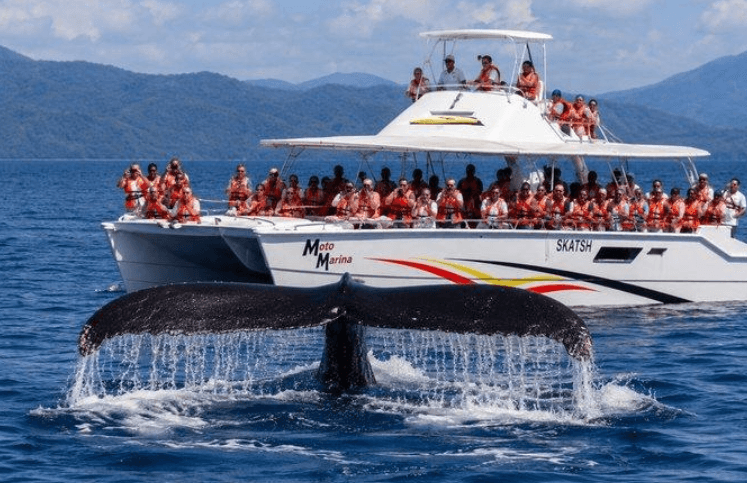
Samaná Whale Watching 2027: Season, Tours, and Travel Tips
Planning a trip to see humpback whales in the Dominican Republic in 2027 Samaná Bay is one of the Caribbean’s best-known destinations for seasonal humpback whale watching, attracting visitors who want to observe these remarkable marine mammals in their natural habitat.
The main whale-watching season traditionally runs from mid-January through March. During this period, humpback whales visit the waters around Samaná as part of their breeding and calving cycle. The exact timing and wildlife activity can vary, so travelers should confirm the current season dates and tour arrangements before booking.
Whether you are staying in Samaná, visiting Las Terrenas, or considering a longer excursion from Punta Cana, this guide explains when to go, what to expect, how to choose a tour, and how to plan a responsible wildlife experience.
When Is Whale-Watching Season in Samaná in 2027?
The traditional Samaná whale-watching season runs from approximately January 15 through March 30. The Dominican Republic's official tourism website identifies this period as the main seasonal window for observing humpback whales in Samaná Bay.
For 2027, these dates should be treated as a planning guide rather than a confirmed announcement of the official season. Check for updated information from the Dominican Republic's Ministry of Environment before your trip.
January: The season begins
January is a good month to consider if your vacation coincides with the beginning of the whale-watching season. The traditional season opens around the middle of the month.
If you plan to visit in early January, verify whether licensed excursions are operating before making your travel arrangements.
February: A popular month to visit
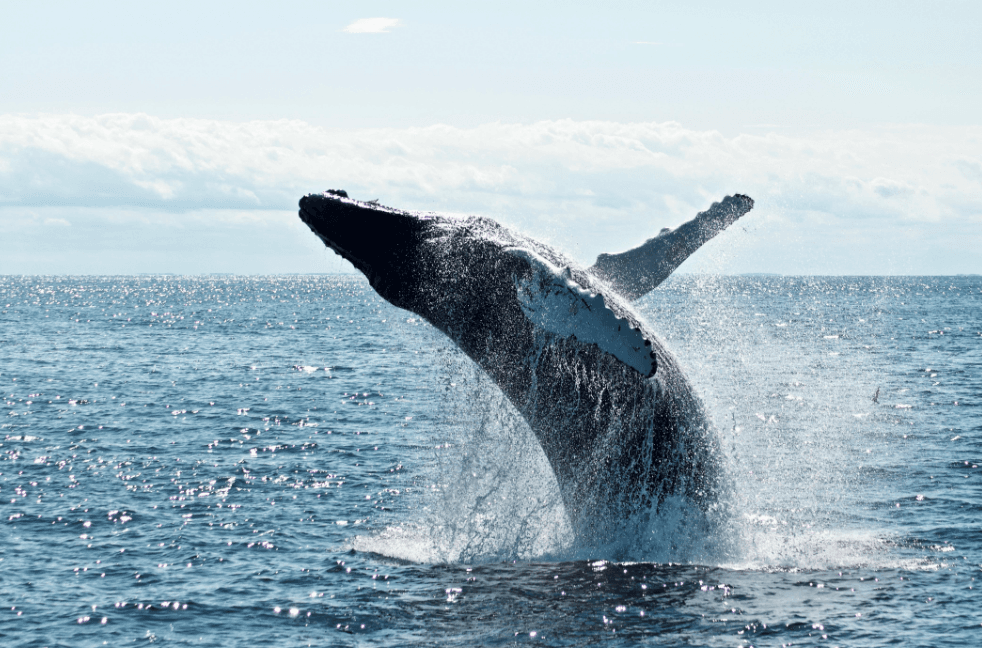
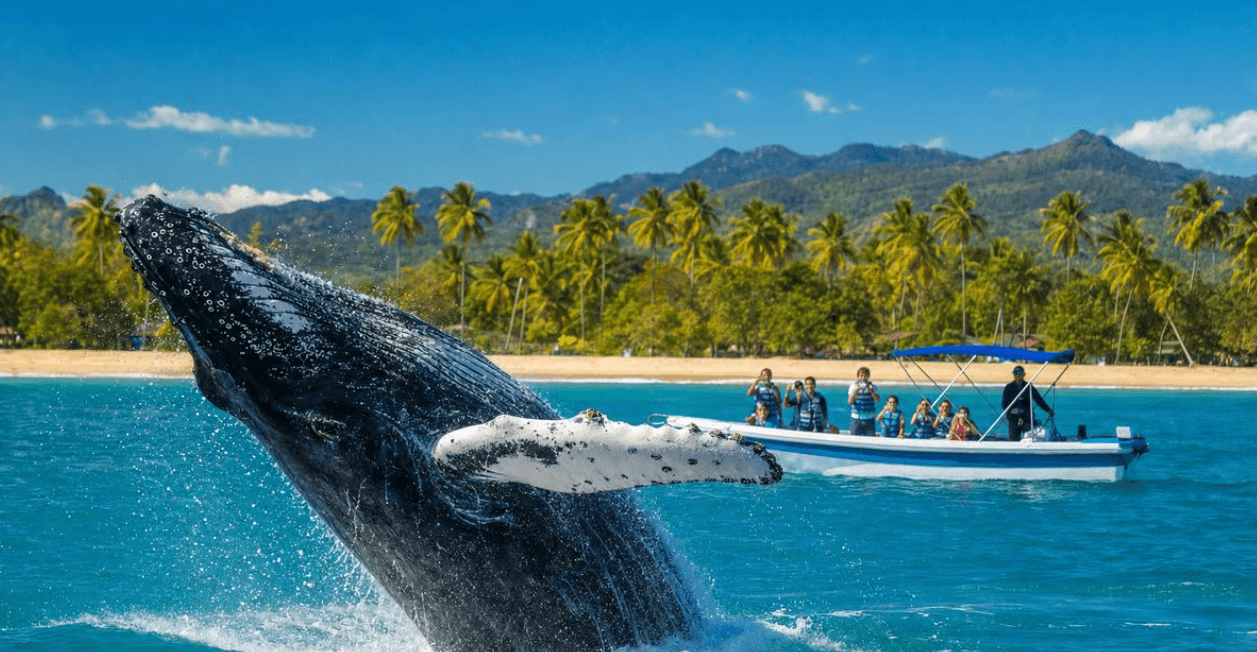
February falls near the middle of the traditional season and is a popular time for whale-watching trips. Visitors may have opportunities to observe surface activity such as tail slapping, breaching, or whales raising their flippers.
These behaviors are natural and unpredictable. No particular activity or sighting can be guaranteed on a specific departure.
March: Another opportunity to see humpback whales
March remains within the main seasonal window, especially during the first part of the month. Travelers planning a late-March visit should check the current operating dates with their chosen tour provider.
April to December: Outside the main season
Samaná remains an attractive destination for beaches, waterfalls, boat excursions, and nature tourism throughout the year. However, April through December falls outside the traditional main whale-watching season.
If whale watching is the primary purpose of your trip, planning within the January–March period is generally the most practical choice.
Why Do Humpback Whales Visit Samaná Bay?
Humpback whales undertake long seasonal migrations between feeding areas in colder waters and warmer tropical breeding areas.
Samaná Bay, on the northeastern side of the Dominican Republic, forms part of an important marine mammal sanctuary. Humpback whales use these waters for breeding, calving, and nursing their young.
The bay's seasonal wildlife activity has made it an established destination for nature tourism. Visitors can learn about whale migration, observe their natural behavior from authorized boats, and gain a better understanding of marine conservation.
You can learn more through the Dominican Republic's official tourism resource on the Marine Mammal Sanctuary.
What might you see during a whale-watching trip?
Depending on the whales' behavior and conditions on the day, visitors may observe:
- Breaching: A whale launches part or most of its body above the water.
- Tail slapping: A whale brings its tail flukes against the surface.
- Flipper movements: A whale raises or slaps one of its long pectoral fins.
- Blows: A whale exhales at the surface, creating a visible spray.
- Mothers and calves: A mother may travel with her young in the bay.
Not every trip will feature all these behaviors. Whale watching involves observing wildlife on its own terms, so patience and realistic expectations are important.
Where Do Whale-Watching Tours Depart From?
Santa Bárbara de Samaná, commonly called Samaná town, is a key departure area for whale-watching excursions in Samaná Bay.
However, your actual departure point depends on the tour you select. Confirm the meeting location, transportation arrangements, and boarding instructions directly with the operator.
Staying in Samaná town
If you are staying near Samaná town, a locally departing excursion may be the simplest option. It can reduce the amount of road travel required before boarding the boat.
Before reserving, check how to reach the departure point and whether transfers from your accommodation are included.
Staying in Las Terrenas
Las Terrenas is another popular base on the Samaná Peninsula. Travelers staying there should compare the available excursions and transportation arrangements rather than assuming that every operator provides hotel pickup.
Ask for the exact meeting point and estimated road-transfer time before booking.
Traveling from Punta Cana
Punta Cana is in the eastern part of the Dominican Republic, while Samaná lies farther northeast. A whale-watching excursion from Punta Cana therefore involves a substantial overland journey in addition to the boat trip.
Depending on your starting hotel, road conditions, traffic, and tour itinerary, the experience may require most of the day.
Before booking, confirm:
- Whether transportation is included.
- Your hotel pickup location and time.
- The expected return time.
- How long you will spend on the water.
- Whether meals, entrance fees, or other activities are included.
- What happens if weather or sea conditions affect the excursion.
If you are already staying in Samaná, a local departure may be more convenient than traveling from Punta Cana.
How to Choose a Samaná Whale-Watching Tour
The right excursion depends on your travel schedule, budget, group size, comfort preferences, and departure location.
Rather than selecting a tour based only on its advertised price, compare the full itinerary and the services included.
1. Check that the operator is authorized
Choose a provider that can explain its authorization to conduct whale-watching excursions and how it follows the applicable Dominican Republic wildlife-observation rules.
Responsible operators should prioritize safe navigation, appropriate viewing distances, and compliance with limits on how boats approach and observe whales.
2. Compare the itinerary
Before paying, establish whether the excursion is dedicated to whale watching or combines it with other activities.
A combined itinerary may include another attraction, but additional stops can change the duration and pace of the day. Verify each inclusion instead of relying on a general tour description.
3. Understand the price
Tour prices can vary with the departure location, transportation, boat type, group size, and included services.
There is no single price that applies to every Samaná whale-watching tour in 2027. Request a current quote and check whether the amount covers transportation, food, entrance fees, and other stated inclusions.
4. Ask about sea conditions and comfort
Boat travel may be uncomfortable for people prone to motion sickness. Ask the provider about the vessel, expected time on the water, safety equipment, and available assistance.
If you have accessibility needs or are traveling with young children, confirm suitability before booking.
5. Read the cancellation and wildlife-sighting policies
Weather and wildlife cannot be controlled by a tour operator. Ask what happens if the trip is canceled because of unsafe sea conditions, and whether any refund, rescheduling, or other policy applies.
Also ask whether the provider offers any specific policy if no whales are seen. Do not assume that a sighting guarantee or refund is included unless it is stated in the booking terms.
What Should You Bring?
A little preparation can make your excursion more comfortable.
Consider packing:
- Sun protection: Sunscreen, sunglasses, and a hat that fits securely.
- Comfortable clothing: Lightweight clothes suitable for warm weather and changing conditions on the water.
- A light layer: Useful if the breeze feels cool during the boat ride.
- Water: Bring drinking water if the operator permits it or does not provide it.
- Camera or phone: Use a secure strap or waterproof protection where appropriate.
- Motion-sickness supplies: If needed, consult a qualified healthcare professional or pharmacist about suitable options before travel.
- Booking confirmation: Keep the meeting point, operator contact details, and departure instructions accessible.
Check the forecast close to your departure date, and follow the operator's instructions about footwear, bags, food, and other equipment.
Responsible Whale Watching: What Visitors Should Know
Whale watching is most rewarding when it protects the animals being observed. The Dominican Republic has established rules for observing humpback whales in Samaná Bay and its marine mammal sanctuary.
The International Whaling Commission's Dominican Republic whale-watching handbook provides information about the country's whale-watching industry and regulatory framework.
As a visitor, you can support responsible tourism by following these principles:
- Choose an authorized whale-watching operator.
- Follow the captain and crew's safety instructions.
- Never ask a captain to chase, crowd, or deliberately disturb whales.
- Do not attempt to touch, feed, or swim with wild whales.
- Avoid loud or disruptive behavior that interferes with the experience of other passengers.
- Follow applicable restrictions on drones, wildlife photography, and boat approaches.
- Respect the animals if they move away or remain underwater for an extended period.
Responsible wildlife viewing means accepting that the animals determine the encounter. A respectful distance is more important than obtaining a close-up photograph.
Can You Combine Whale Watching With Other Samaná Attractions?
Yes, depending on the available itinerary and your time. The Samaná Peninsula offers several attractions that can complement a wildlife-focused vacation.
Cayo Levantado
Cayo Levantado is known for its beaches and island scenery. If you want to combine a beach visit with whale watching, ask whether a suitable combined excursion is available on your travel date.
Confirm the time allocated to each activity and whether transportation between stops is included.
Los Haitises National Park
Los Haitises is known for its mangroves, coastal landscapes, caves, and distinctive natural environment. It offers a different experience from whale watching, making it a possible addition to a longer Samaná itinerary.
Explore the official Dominican Republic tourism information for Samaná when planning activities in the region.
Do not assume that Los Haitises and whale watching are included in one excursion. Check the itinerary and travel times before purchasing a combined package.
El Limón Waterfall
El Limón Waterfall is another well-known attraction on the Samaná Peninsula. Visiting it may suit travelers who want to combine wildlife viewing with a nature excursion.
Because both activities require time, consider scheduling them on separate days if your transport arrangements or tour itinerary would otherwise feel rushed.
How to Plan Your 2027 Whale-Watching Trip
Use this simple checklist before finalizing your plans.
Step 1: Choose your travel dates. Aim for the traditional mid-January-to-March season and verify the official 2027 dates before committing to nonrefundable arrangements.
Step 2: Decide where to stay. Compare Samaná town, Las Terrenas, and your other planned destinations according to the excursion departure point.
Step 3: Compare suitable operators. Review authorization, itinerary, transportation, boat arrangements, and customer service.
Step 4: Confirm the total cost. Check every inclusion, exclusion, payment requirement, and cancellation condition.
Step 5: Reconfirm before departure. Ask about the meeting point, weather, sea conditions, and any last-minute operational changes.
Step 6: Keep your schedule flexible. Wildlife sightings are unpredictable. Allow enough time for travel and avoid planning an essential onward connection immediately after the expected return.
Frequently Asked Questions
What is the best month for Samaná whale watching in 2027?
February is a practical choice because it falls near the middle of the traditional January–March season. January and March can also offer opportunities. No month or date guarantees a sighting.
What are the expected whale-watching dates for 2027?
The traditional season runs approximately from January 15 to March 30. Confirm the official 2027 operating dates with the Dominican Republic's Ministry of Environment or an authorized local operator before booking.
How long does a whale-watching excursion take?
The duration depends on the departure location, vessel, itinerary, and conditions. Ask the operator for the expected time on the water and the total duration, including any land transportation.
Can I see whales from Punta Cana?
A traveler based in Punta Cana may be able to book an excursion to Samaná, depending on the operator and travel date. Because the journey is substantial, verify transportation, pickup arrangements, total duration, and the return schedule.
Are whale sightings guaranteed?
No. Humpback whales are wild animals, and their location and behavior can change. Review the operator's written wildlife-sighting policy before booking.
Is whale watching suitable for children?
It may be suitable for families, depending on the boat, sea conditions, excursion duration, and each child's needs. Check age restrictions, life jackets, restroom access, and the operator's safety requirements.
What happens if the weather is bad?
An operator may change, delay, or cancel a departure if conditions are unsuitable. Ask for the applicable cancellation, refund, and rescheduling policy before paying.
Can visitors swim with humpback whales in Samaná Bay?
Do not plan to swim with or approach wild whales. Follow the local rules and choose an operator that respects wildlife-observation requirements.
Should I book in advance?
Booking ahead can help you secure a suitable itinerary during the main tourist season. Confirm the operator's actual availability and cancellation terms before making payment.
What else can I do in Samaná after whale watching?
Depending on your schedule, consider Cayo Levantado, El Limón Waterfall, Los Haitises National Park, local beaches, or exploring Samaná town. Verify travel times and excursion availability before combining activities.
Final Thoughts: Plan Your Samaná Whale-Watching Adventure
Samaná whale watching in 2027 offers travelers an opportunity to observe migrating humpback whales in an important Caribbean marine habitat. The traditional January–March season is the best starting point for planning, but the official dates, sea conditions, and availability should be confirmed before travel.
Take time to compare authorized tour operators, understand the full itinerary, and choose an excursion that fits your location and budget. Above all, prioritize responsible wildlife observation and realistic expectations.
Ready to plan your trip? Explore the available Samaná whale-watching excursions, confirm the departure location and current price, and review the booking conditions before reserving your place.

Local explorer & expert guide in Whales of Samaná.