What Is the Best Time of Day for Whale Watching in Samaná?
Choosing the right departure time can make planning a whale-watching excursion in Samaná, Dominican Republic, much easier. Travelers often wonder whether an early morning trip offers better opportunities than an afternoon outing, or whether they should organize their entire day around a particular departure.
The answer depends on several factors, including the tour operator's schedule, sea conditions, transportation arrangements, and your personal itinerary. Although morning departures may be convenient for some visitors, there is no universally guaranteed best time of day to see humpback whales.
If you are planning a visit in 2027, understanding the differences between morning and afternoon excursions can help you select a suitable tour and make better use of your time in Samaná.
Why Departure Time Matters
Whale watching is a wildlife experience, not a scheduled performance. Humpback whales move naturally through their marine environment, and their behavior can change throughout the day.
The time you choose can nevertheless influence your overall trip. An early departure may leave more time for other activities later, while a later tour may fit better around breakfast, transportation, or a relaxed vacation schedule.
Departure time can also affect your preparation. You may need to arrange an early hotel pickup, allow extra time to reach the meeting point, or plan meals around the excursion.
Rather than choosing a time based only on the promise of better sightings, consider the complete experience: travel time, expected sea conditions, trip duration, and your plans before and after the tour.
Is Morning the Best Time for Whale Watching in Samaná?
Morning excursions are a popular option for travelers who prefer to start their day early.
Depending on the operator, a morning trip may allow you to complete the excursion before the hottest part of the day and leave the afternoon available for sightseeing, lunch, or relaxation.
Morning departures can also be convenient for visitors who need transportation from another part of the peninsula. However, actual departure times and travel arrangements vary by package.
It is important to understand that an early start does not guarantee more whales, closer encounters, or dramatic whale displays. Humpback whales can surface, dive, and move through the area at different times.
Advantages of a morning departure
- You may have more flexibility for afternoon activities.
- An early tour can fit conveniently into a tightly planned itinerary.
- You can finish the main excursion earlier, depending on the schedule.
- You may find it easier to coordinate with other morning travel arrangements.
What to consider before booking
Early departures may require waking up before sunrise, especially if your accommodation is far from the meeting point.
Ask the operator about the check-in time, transportation schedule, and expected return time. Make sure your group can comfortably manage the early start.
Do not assume that every morning trip offers the same duration or services. Compare the actual package details before making a reservation.
Is an Afternoon Whale-Watching Tour Worth Considering?
An afternoon excursion can be a practical alternative for travelers who prefer a slower morning.
It may suit visitors who want time for breakfast, need to travel to the departure point, or have other commitments earlier in the day.
The main consideration is the tour's published schedule and the amount of daylight and operating time available. Confirm the planned return time rather than assuming that every afternoon trip lasts the same amount of time.
Advantages of an afternoon departure
- You may not need to wake up as early.
- The schedule can fit travelers arriving in the area later in the morning.
- You may have time for breakfast or other activities before departure.
- It can work well for visitors who prefer a less rushed start.
What should you check?
Ask whether the excursion operates on your chosen date and whether transportation is included. If you have dinner reservations, a connecting journey, or another scheduled activity, allow enough time for delays.
Weather and sea conditions can change, so a later departure should not be treated as a guarantee of better visibility or more active whales.
The best afternoon option is one that fits your plans while meeting your expectations for safety, comfort, and responsible wildlife viewing.
Does the Time of Day Affect Whale Sightings?
This is one of the most common questions travelers ask when comparing departure times.
There is no reliable guarantee that whales will be easier to see at a particular hour. Their presence and behavior depend on natural factors, and individual encounters are unpredictable.
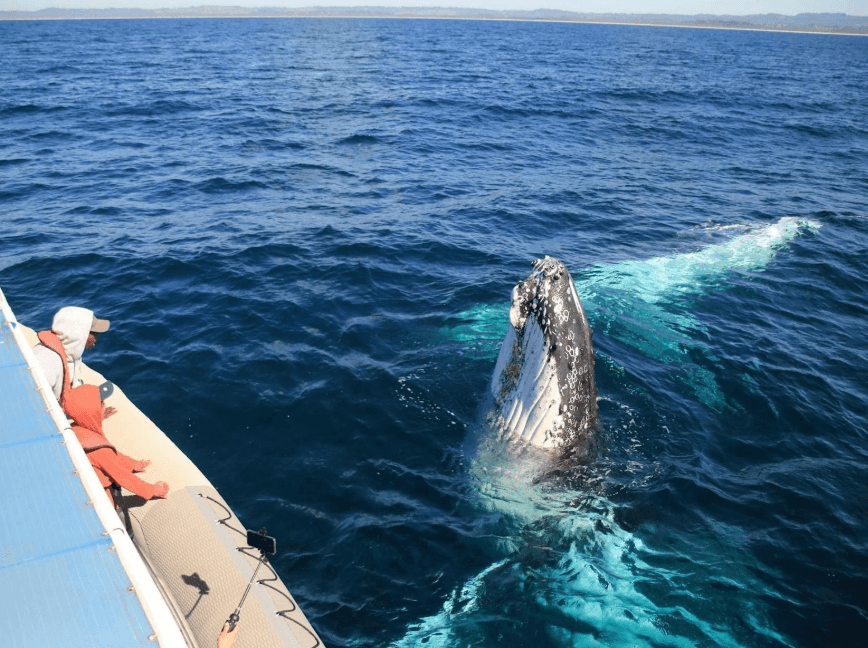
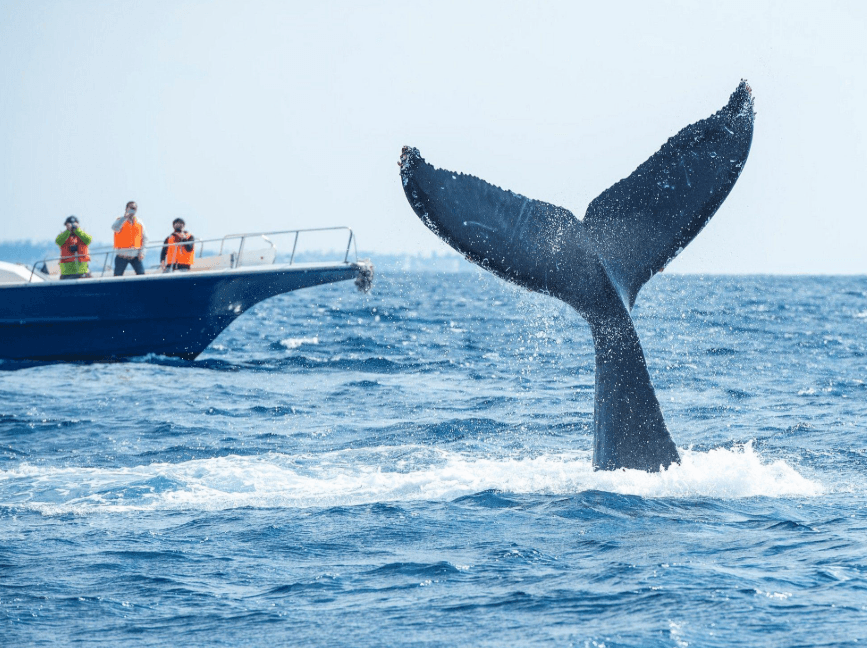
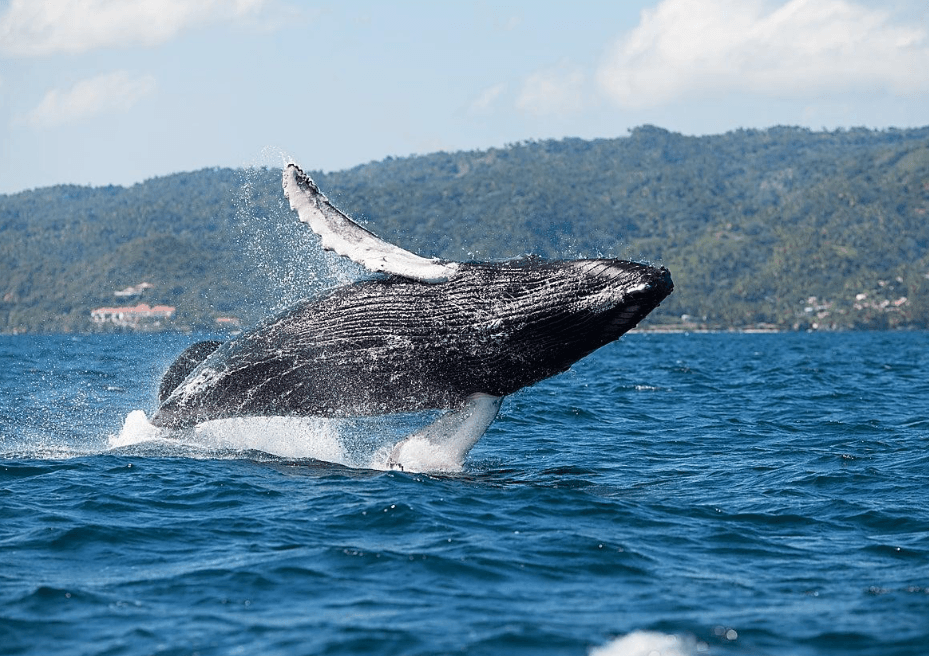
During a tour, you might see a whale surfacing to breathe, displaying its tail, swimming near the surface, or diving beneath the water. You may also encounter periods when whales are difficult to spot.
The time of day alone cannot guarantee a breach or another spectacular display.
When comparing excursions, prioritize the operator's safety standards, wildlife-viewing practices, trip arrangements, and clear communication over claims that a particular departure time guarantees better sightings.
What About Weather and Sea Conditions?
Weather is an important consideration when planning any boat excursion.
Conditions can influence passenger comfort, visibility, and whether a tour can operate as scheduled. They may also change between the morning and afternoon.
It is not safe to assume that mornings always have calmer seas or that afternoons always have better visibility. Actual conditions depend on the day and location.
Before your excursion, check the forecast and follow the operator's latest instructions. The captain and crew should make operating decisions based on appropriate safety considerations.
If a tour is cancelled or rescheduled, follow the provider's written policy regarding refunds, alternative dates, and communication.
When Is the Best Season for Whale Watching in Samaná?
The time of year is a separate consideration from the time of day.
Samaná is well known for the seasonal arrival of humpback whales in Dominican Republic waters. The main whale-watching period is generally associated with January through March.
During this period, visitors travel to the region for opportunities to observe the whales in their natural environment. However, seasonal timing does not guarantee sightings on a particular day or departure.
For a 2027 trip, confirm current season dates and operating schedules with a reputable local operator or relevant authorities before booking.
If whale watching is a major reason for your visit, planning within the expected season is more important than assuming that one particular hour of the day will guarantee a successful excursion.
How to Choose a Departure Time for Your Itinerary
The best departure time is often the one that works well with your accommodation, transportation, and other travel plans.
If you are staying in Samaná
Compare the meeting point with your accommodation and check how much time you need to get ready and arrive.
A nearby departure may make either a morning or afternoon excursion convenient.
If you are traveling from another destination
Allow enough time for road travel, possible delays, check-in, and the return journey.
Do not book a departure based only on the advertised boat-trip duration if the package also involves a substantial transfer.
If you plan to explore after whale watching
A morning excursion may leave more of the afternoon available, provided the tour returns on schedule.
Consider keeping additional activities flexible rather than arranging several time-sensitive bookings immediately after the trip.
If you prefer a relaxed vacation
An afternoon departure may suit you better if an early wake-up would make the day stressful.
Choose a schedule that allows you to arrive prepared and follow the crew's instructions without rushing.
How Early Should You Arrive at the Departure Point?
Your arrival time depends on the operator's check-in requirements and the specific tour package.
Read your confirmation carefully and contact the provider if the meeting instructions are unclear.
Allow enough time to locate the departure point, check in, use the facilities if available, and listen to the safety briefing.
If transportation is included, confirm the pickup location and time. If you are driving independently, ask about parking and any additional arrival instructions.
Arriving late can create unnecessary stress and may affect your ability to join the excursion, depending on the operator's policy.
Tips for Making Your Whale-Watching Trip More Comfortable
Regardless of your departure time, a few practical steps can help you prepare.
Before departure:
- Confirm the meeting point and check-in time.
- Check the latest weather and operating updates.
- Wear suitable clothing and secure footwear.
- Bring sunscreen, a hat, and sunglasses.
- Carry drinking water according to the operator's guidance.
- Keep your phone or camera secure.
- Follow any instructions about food, luggage, and onboard facilities.
If you are concerned about motion sickness, ask an appropriate healthcare professional about suitable preventive options before the trip.
Once aboard, listen to the crew, remain in designated passenger areas, and follow all safety instructions.
Responsible Whale Watching at Any Hour
Responsible wildlife observation matters regardless of when your excursion takes place.
Choose an operator that follows applicable Dominican Republic regulations and respects the required viewing distances and approach procedures.
Boats should not chase, crowd, or deliberately disturb whales for photographs. Passengers should follow the crew's instructions and avoid encouraging behavior that puts people or animals at risk.
Remember that wild whales are free to move away or remain underwater. A responsible excursion respects that natural behavior rather than treating sightings as guaranteed entertainment.
Morning vs. Afternoon: Which Should You Choose?
There is no single departure time that is best for every traveler.
A morning tour may be preferable if you want to keep the afternoon available for other plans. An afternoon tour may be more convenient if you prefer a slower start or need extra time to reach the departure point.
Use these questions to guide your choice:
- Which departure times does the operator actually offer?
- How far is the meeting point from your accommodation?
- How long will the complete excursion take?
- What is the forecast for your travel date?
- Does the tour fit your transportation and activity schedule?
- Are the safety and cancellation policies clear?
If two tours otherwise offer similar arrangements, choose the one that fits your schedule best rather than assuming one time guarantees more wildlife activity.
Frequently Asked Questions
Is morning or afternoon better for whale watching in Samaná?
Neither time guarantees better sightings. Compare the available schedules, transportation, expected conditions, and your personal itinerary before choosing.
Can I see humpback whales on an afternoon tour?
Afternoon tours may provide opportunities to observe humpback whales during the operating season. Sightings depend on natural conditions, not simply the departure time.
What time do whale-watching tours start?
Departure times vary by operator, date, and package. Confirm the exact meeting and departure times directly with your chosen provider.
Is it better to book whale watching early in the season?
The main season is generally January through March, but the best dates for an individual sighting cannot be guaranteed. Confirm current local information before arranging your trip.
Should I check the weather before my excursion?
Yes. Check available forecasts and follow the operator's latest updates. The crew may change or cancel a trip if conditions are unsuitable.
How much time should I leave after the tour?
Allow a buffer for the return journey and possible schedule changes. Avoid arranging important onward travel or tightly timed activities immediately after the expected return.
Final Thoughts
Choosing the best time of day for whale watching in Samaná is primarily about finding a departure that suits your itinerary and the operator's schedule.
Morning trips may offer more flexibility later in the day, while afternoon departures may be convenient for travelers who prefer a slower start. Neither option guarantees better whale sightings.
Plan your excursion during the expected seasonal period, confirm the latest departure information, check the weather, and select a responsible operator.
With realistic expectations and a practical schedule, you can enjoy your time on the water without relying on an unproven promise that one particular hour guarantees a better encounter.

Local explorer & expert guide in Whales of Samaná.