What Time of Day Is Best for Whale Watching in Samaná (2027 Guide)
Planning a whale-watching trip in the Dominican Republic often raises an important question: what time of day should you go out on the water?
For visitors planning whale watching in Samaná, choosing a suitable departure time can make the day easier and more comfortable. You may be deciding between an early morning excursion and a later departure, or trying to fit whale watching into a larger vacation itinerary.
The most important thing to understand is that humpback whales do not follow a predictable sightseeing schedule. They are wild animals, and their movements cannot be guaranteed at a particular hour.
Instead of looking for a magical time when whales are always more active, travelers should consider the operator's schedule, marine weather, transportation, and personal comfort.
This guide explains how to choose a practical time for whale watching in Samaná in 2027.
Is Morning the Best Time for Whale Watching in Samaná?
Morning departures can be a convenient choice for many visitors. They may leave the rest of the day available for sightseeing, lunch, relaxing at the beach, or traveling to another destination.
However, a morning trip is not automatically better for whale sightings. There is no universal rule that humpback whales in Samaná must be more active early in the day.
The actual experience depends on several factors, including:
- The whales' natural movements and behavior.
- Wind, waves, and other marine conditions.
- The operator's departure schedule.
- The boat and route used for the excursion.
- The length of time spent on the water.
If a morning departure fits your itinerary and the operator confirms that conditions are suitable, it can be an excellent option. Choose it for its practical advantages rather than assuming it guarantees more whale activity.
Are Afternoon Whale-Watching Tours Worth Considering?
A later departure may suit travelers who prefer a slower morning, are staying farther from the departure point, or need additional time to reach Samaná town.
Whether an afternoon tour is available depends on the operator, the season, demand, and local conditions. Some operators may offer only selected departures, so check the actual schedule instead of assuming you can choose any time.
Before booking a later excursion, consider:
- How long the trip is expected to last.
- The time needed to return to your accommodation.
- The forecast for wind and sea conditions.
- Your onward transportation arrangements.
- Whether the tour has a confirmed departure time.
An afternoon tour can be worthwhile when it fits your plans and is offered under suitable conditions. As with morning trips, the time alone does not guarantee a sighting.
Does the Time of Day Affect Whale Sightings?
Whale sightings are influenced by the animals' behavior and movements, not simply by the clock.
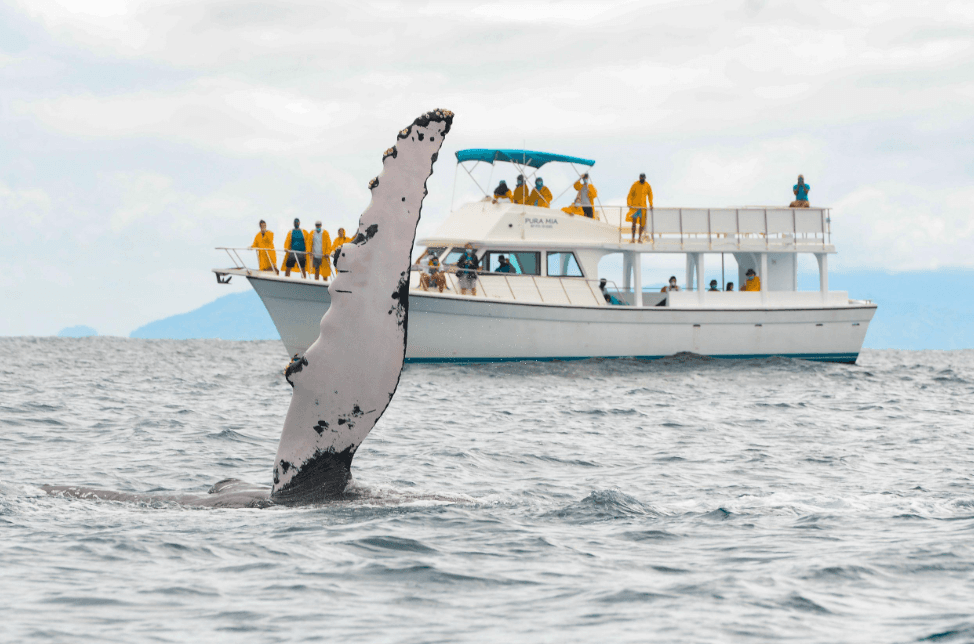
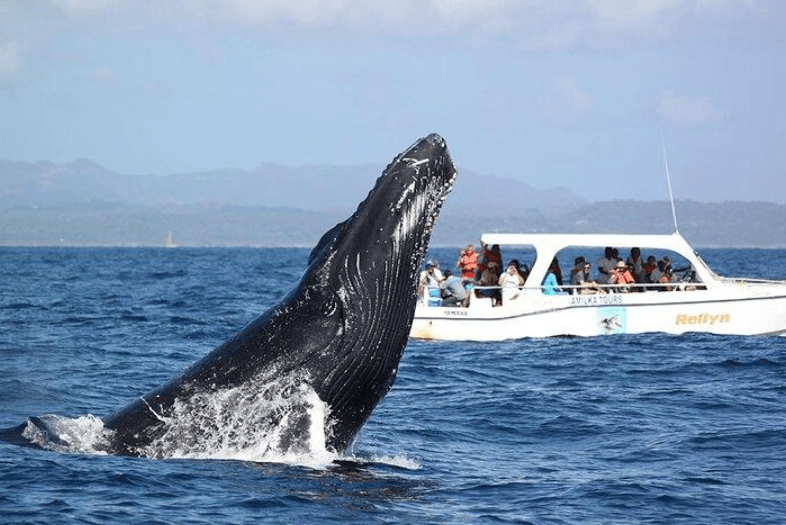
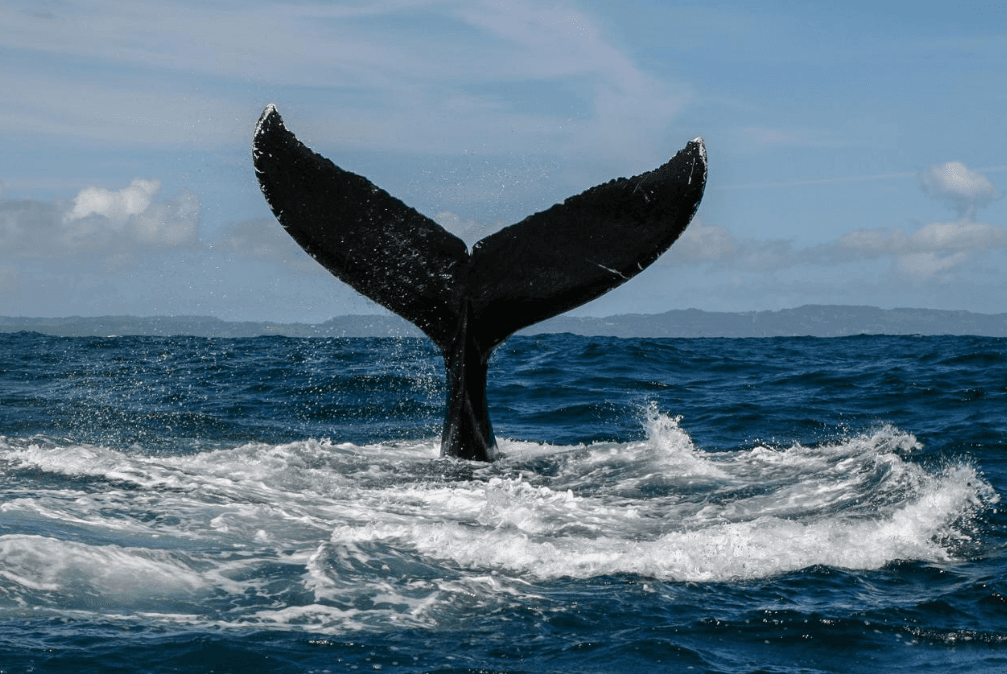
Humpback whales may surface to breathe, dive, raise their tail flukes, or display other behaviors at different times. Their activity can change throughout an encounter, and visitors may observe different things on different trips.
A whale might surface close to a boat, remain farther away, or disappear below the surface for a period. A trip with fewer dramatic behaviors can still provide a valuable opportunity to observe wildlife.
Be cautious about claims that whales always breach in the morning, that afternoons are guaranteed to be quieter, or that a specific departure hour ensures more sightings. Such claims oversimplify unpredictable wildlife behavior.
When choosing a departure, prioritize a responsible operator, suitable conditions, and a schedule that works for you.
How Weather and Sea Conditions Influence Your Choice
Conditions on the water can be more important to your experience than the exact departure hour.
Even when the weather feels warm on land, wind and waves can make a boat trip less comfortable. Conditions can also change during an excursion.
Before departure, follow the local forecast and the operator's guidance. The captain and crew should make decisions based on passenger safety and the conditions at sea.
If you are prone to motion sickness, consider discussing prevention with a healthcare professional before your trip. Bring any recommended supplies and follow the operator's instructions.
Do not assume that an early departure will always have calm seas or that later departures will necessarily be rougher. Conditions vary by day and location.
How to Choose the Right Departure for Your Itinerary
The best departure time is often the one that allows you to enjoy the trip without rushing.
If you are staying in Samaná town
A nearby departure point may make it easier to reach the meeting location on time. Confirm the exact address, check-in instructions, and arrival time provided by your operator.
If you are staying in Las Terrenas
Allow enough time for the road journey to your departure point. Check the route and travel time in advance, and avoid choosing a departure that leaves no margin for delays.
If you are traveling from Punta Cana or Santo Domingo
Long-distance road travel can make a same-day excursion demanding. Confirm the total travel time and tour schedule before deciding whether a day trip is realistic.
If the journey requires an early start, consider whether staying closer to the departure point the night before would make your plans more comfortable.
If you have other activities planned
Avoid scheduling another time-sensitive activity immediately after your whale-watching excursion. Return times can vary, and you may need additional time for transportation, meals, or unexpected changes.
A flexible itinerary is usually easier to manage than a tightly packed schedule.
What Time Should You Arrive at the Departure Point?
Always use the check-in time provided by your specific tour operator. The departure time and the time you should arrive may be different.
Before the trip, confirm:
- The exact meeting point.
- The required arrival or check-in time.
- Whether transportation is included.
- Where to park, if you are driving.
- The operator's contact information.
- What to do if you are delayed.
Arriving with enough time to check in helps reduce stress and gives the crew an opportunity to provide instructions before boarding.
Do not rely on a general online guide for the exact check-in time of a particular excursion. Follow the current instructions from the company you booked with.
How to Make Your Whale-Watching Trip More Comfortable
Regardless of departure time, a few simple preparations can improve the experience.
Wear lightweight clothing suitable for warm weather, bring sun protection, and secure your belongings against splashes. Carry drinking water if permitted by the operator.
If you are bringing a camera or phone, use a secure strap or waterproof protection where appropriate. Avoid leaning over the boat's edge to take photographs.
Listen carefully to the crew's safety instructions, remain seated when directed, and keep children under appropriate adult supervision.
If the sea becomes uncomfortable or the crew changes the itinerary for safety reasons, follow their instructions. The welfare of passengers and whales should always come first.
What If Your Preferred Departure Is Unavailable?
During the whale-watching season, popular dates may have limited availability. If your preferred time is unavailable, ask whether the operator offers another departure on the same date.
Before accepting an alternative, compare the full schedule and consider how it affects your transportation and other plans.
You can also ask about a different date, provided your travel arrangements are flexible. Do not assume that a different time or date will provide better whale sightings; choose the alternative that fits your itinerary and the operator's confirmed arrangements.
Review cancellation and rescheduling terms before paying, particularly if your wider travel plans depend on the excursion.
Frequently Asked Questions
Are whales more active in the morning in Samaná?
There is no universal guarantee that whales will be more active in the morning. Sightings depend on natural behavior, whale movements, and conditions during the trip.
Is an afternoon whale-watching tour available in Samaná?
Availability varies by operator and date. Ask the company about confirmed departures and whether conditions are suitable for your chosen time.
How early should I arrive for whale watching?
Follow the check-in time provided by your operator. Confirm the meeting point and arrival instructions before the day of the trip.
Can I choose a departure based on the weather?
You can check the forecast when planning, but marine conditions may change. Follow the operator's advice and the captain's decisions about safety.
Will choosing a different departure time increase my chances of seeing whales?
Not necessarily. A different departure time does not guarantee more sightings or more dramatic whale behavior.
Should I book my whale-watching tour in advance?
Booking ahead can help you secure a suitable date and departure time, particularly when your itinerary is fixed. Confirm availability, inclusions, and cancellation conditions directly with the operator.
Final Thoughts: Choosing the Best Time for Whale Watching in Samaná
The best time of day for whale watching in Samaná is not necessarily the earliest or latest departure. It is the confirmed excursion that fits your schedule, transportation arrangements, comfort level, and the marine conditions on the day.
Morning departures may leave more time for other activities, while a later trip may better suit travelers who prefer a slower start. Neither option guarantees a whale sighting.
For your 2027 visit, check the operator's current schedule, confirm the meeting point, review the weather guidance, and leave room for unexpected changes.
Most importantly, approach the experience with patience and respect for wildlife. Humpback whales are unpredictable animals, and observing them responsibly is more important than trying to control when they appear.

Local explorer & expert guide in Whales of Samaná.