Humpback Whale Injuries: Causes, Healing and Recovery
Humpback whales are powerful marine mammals that travel thousands of miles between feeding and breeding grounds. Despite their size and strength, they can experience injuries during their lives. Some injuries leave visible scars, while others may be difficult to recognize from the ocean's surface.
Collisions with vessels, entanglement in fishing gear, interactions with other animals, and environmental hazards can all affect whales. Their bodies have natural mechanisms for repairing damaged tissue, but recovery depends on the type and severity of an injury.
Understanding how humpback whales get injured and how scientists monitor their condition helps explain why marine conservation and responsible whale watching are so important.
For visitors exploring Samaná Bay in the Dominican Republic, this subject provides another way to appreciate humpback whales while recognizing the challenges they face in the wild.
How Do Humpback Whales Get Injured?
Humpback whales encounter a range of natural and human-related hazards. Some injuries occur during ordinary interactions with their environment, while others are linked to human activities.
1. Collisions with boats and ships
Vessel strikes are a recognized threat to large whales. A collision can cause cuts, bruising, fractures, or more severe internal injuries.
The outcome depends on factors such as the vessel's speed, the location of impact, and the circumstances of the encounter. Some collisions leave visible propeller marks, while other injuries may not be obvious from photographs.
Because whales must surface to breathe, they can encounter vessels operating in the same waters. Reducing vessel speed where required and following whale-protection regulations can help lower risks.
2. Entanglement in fishing gear
Ropes, lines, nets, and other fishing equipment can become wrapped around a whale's body, mouth, or fins.
An entangled whale may struggle to swim normally, feed, or migrate. Lines can cause cuts and pressure injuries, and prolonged entanglement may lead to exhaustion or other serious complications.
Not every entanglement has the same outcome. Some whales escape, while others require specialized rescue efforts or continue to carry fishing gear.
Members of the public should never attempt to remove ropes or approach an entangled whale themselves. Such situations require trained responders.
3. Interactions with other animals
Humpback whales may acquire injuries during interactions with other whales or marine animals. Competitive encounters can involve forceful contact, and some predators can leave bite marks.
Scars may remain long after an injury has healed. However, a visible mark does not always reveal what caused it, and researchers generally need additional evidence before identifying the source of a wound.
4. Environmental hazards
Marine debris and other hazards can create risks for whales. Floating plastic, discarded fishing equipment, and debris from human activities may cause injury or entanglement.
The danger depends on the object's size, shape, material, and the way the whale encounters it.
Preventing waste from entering the ocean is one practical way people can help reduce these risks.
Can Humpback Whales Heal Their Own Injuries?
Humpback whales are mammals, so their bodies have biological processes for repairing damaged tissue. Following an injury, the body may respond through inflammation, tissue repair, and the formation of new tissue.
The final result depends on several factors, including the injury's depth, location, severity, and whether infection or further damage occurs.
Minor injuries may heal with limited lasting effects. More serious wounds can cause permanent scarring or impair movement and feeding. Severe internal injuries may be life-threatening even when they are not visible from outside.
Researchers can sometimes observe changes in a whale's appearance across photographs taken months or years apart. These records may help show that a wound has changed or a scar has become less prominent.
However, a whale seen swimming normally is not necessarily free from injury. Wild animals may continue moving despite physical problems, and observers cannot reliably determine the severity of a wound from surface behavior alone.
Why Do Some Humpback Whales Have Scars?
Scars are a natural part of the healing process after certain injuries. They can remain visible after the original wound has closed.
Humpback whales may carry marks associated with vessel encounters, fishing gear, animal interactions, or other causes. The appearance of a scar varies according to the original injury and the way the tissue healed.
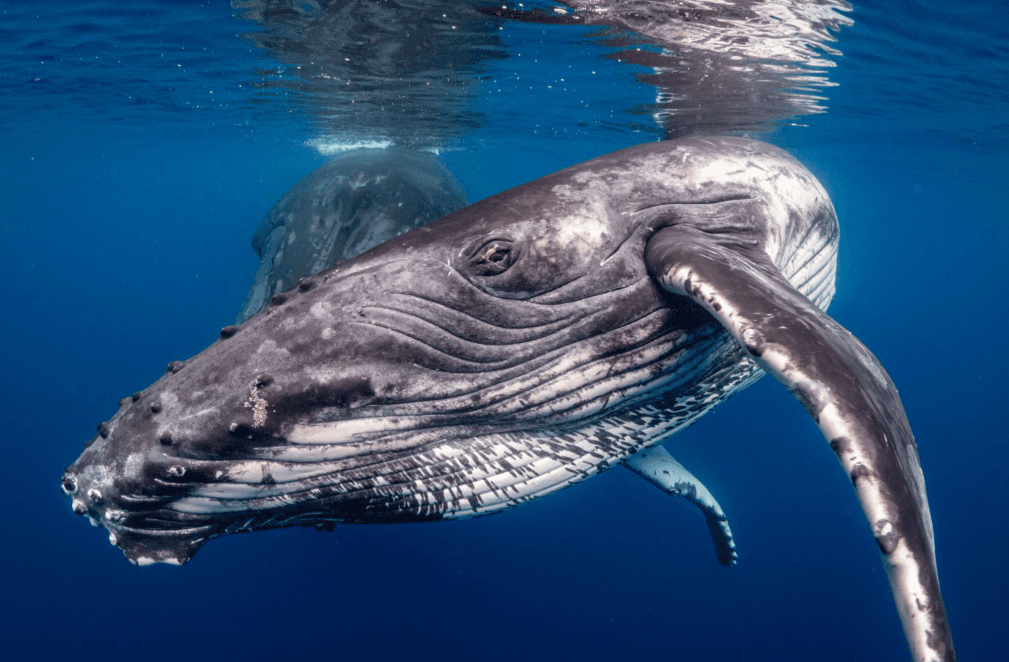
Some marks are subtle, while others are easy to notice on the back, fins, or tail region.
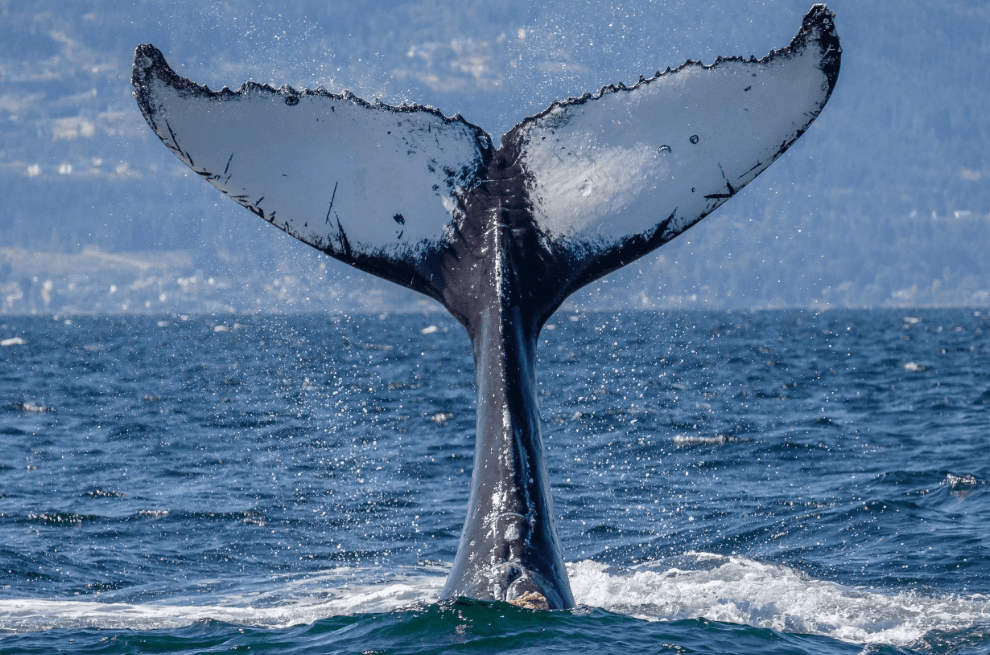
Scars can also help researchers distinguish individuals. Scientists may compare distinctive markings and scars across photographs to determine whether the same whale has been seen again.
Nevertheless, scars should be interpreted cautiously. A mark's appearance alone does not always identify its cause, age, or severity.
How Do Scientists Monitor Injured Humpback Whales?
Scientists use several methods to investigate injuries and monitor whale populations. The method selected depends on the research question, available resources, and the need to avoid disturbing the animals.
Photo identification
Researchers photograph distinctive features, including tail-fluke patterns, scars, and other markings. Comparing images collected over time can help establish whether a whale has been observed before and whether visible features have changed.
Aerial and vessel-based observations
Authorized researchers may use photographs, video, and visual surveys to document wounds, unusual behavior, or attached debris. Aerial observations can sometimes provide a broader view of a whale's body.
Long-term monitoring
Records collected across seasons and years may help scientists understand whether a whale returns to a particular region and whether its visible condition changes over time.
Specialized rescue response
When a whale is entangled or seriously injured, trained response teams may assess the situation and determine whether intervention is possible and safe. Rescue work involving large whales requires specialized equipment, training, and coordination with the relevant authorities.
Not every injured whale can be located or treated. In many cases, the most useful action is to document the observation and report it to the appropriate wildlife-response organization.
Can an Injured Humpback Whale Still Migrate?
Some injured humpback whales continue their seasonal migrations, but the outcome depends on the injury.
A whale with a minor wound may remain capable of swimming and feeding normally. A serious injury affecting movement, energy reserves, or feeding ability can create greater challenges during a long journey.
Humpback whales migrate between productive feeding areas and warmer breeding regions. Migration requires energy, and individuals must maintain sufficient body condition to complete the journey.
An injury may complicate this process, but scientists cannot predict the outcome for an individual whale without adequate evidence.
Seeing a whale during the breeding season in Samaná Bay does not automatically mean that it is healthy or injured. Reliable assessment requires careful observation and, where possible, additional research.
What Happens When a Whale Is Entangled?
Entanglement can have several consequences, depending on how the gear is positioned and how long the whale remains caught.
Possible effects include:
- Restricted movement or difficulty swimming.
- Cuts and pressure injuries where ropes contact the body.
- Reduced ability to feed efficiently.
- Increased energy expenditure.
- Serious injury or death in severe cases.
Some whales shed entangling gear themselves, but this does not mean they escape without harm. Lines can leave scars or remain attached for extended periods.
If you encounter an entangled whale, keep your distance, avoid attempting a rescue, and notify the appropriate local marine-wildlife authorities or trained response organization. Provide the location and a description of the animal if it is safe to do so.
How Can Responsible Whale Watching Reduce Injury Risks?
Whale-watching vessels share the marine environment with large, moving animals. Responsible practices help reduce the risk of disturbance and dangerous encounters.
Before booking a tour in Samaná, look for operators that follow local regulations and established whale-watching guidelines.
During the trip:
- Follow the captain's instructions and any required distance limits.
- Never encourage the boat to chase a whale or cut across its path.
- Avoid sudden or unnecessary vessel movements around whales.
- Do not attempt to touch, feed, or enter the water to approach a wild whale.
- Report an obvious injury or entanglement to the crew rather than trying to intervene.
Responsible boat operation cannot eliminate every risk, but it can help make encounters safer for both people and whales.
What Should Visitors Look for During Whale Watching in Samaná Bay?
Samaná Bay is a well-known destination for observing North Atlantic humpback whales during their seasonal breeding period.
Visitors may see whales surfacing, diving, lifting their flukes, or swimming near one another. Occasionally, a whale may have a visible scar or another marking that raises questions about its history.
However, it is difficult to diagnose an injury from a brief sighting. Natural markings, scars, pigmentation, and other skin features can look similar from a distance.
If your guide points out a possible injury, ask what is actually visible and what remains uncertain. This encourages careful observation without making unsupported assumptions about the whale's health.
The most valuable whale-watching experience is not simply about getting close to an animal. It is about observing wildlife respectfully and learning how these animals live in their natural environment.
Frequently Asked Questions
Do humpback whales recover from injuries?
Some humpback whales recover from injuries, particularly when the damage is limited. Severe wounds, entanglements, and vessel strikes can have lasting consequences or be fatal. Recovery depends on the individual circumstances.
Can a humpback whale survive a boat strike?
Survival depends on the severity and location of the impact and other factors. Some whales survive collisions, while others suffer fatal or serious injuries. A whale's survival cannot be predicted from a visible mark alone.
Do humpback whale scars disappear?
Some scars may become less noticeable over time, while others remain visible for years. Their appearance depends on the original injury and the healing process.
How can scientists tell if a whale is injured?
Scientists may document wounds, changes in body condition, unusual behavior, and other visible signs. Photographs and repeated observations can help, but a definitive assessment may require additional evidence.
What should I do if I see an injured whale in Samaná?
Tell your tour crew and follow their guidance. If appropriate, report the sighting to the relevant local wildlife authority or trained marine-animal response organization. Do not approach the whale or attempt to remove fishing gear.
Are all scars on humpback whales caused by boats?
No. Scars can have multiple causes, including interactions with fishing gear, other animals, and environmental hazards. A scar's appearance alone is not enough to identify its origin with certainty.
Final Thoughts
Humpback whales face a range of natural and human-related hazards, from animal interactions to fishing gear and vessel traffic. Their bodies can repair some injuries, but healing is not guaranteed, and serious wounds can affect survival.
Researchers use photographs, long-term monitoring, and specialized response methods to learn more about whale health and reduce avoidable risks.
For visitors to Samaná Bay, understanding whale injuries adds an important conservation perspective to the excitement of seeing these magnificent animals. Observe from a responsible distance, avoid disturbing their natural behavior, and leave the assessment of suspected injuries to trained professionals.

Local explorer & expert guide in Whales of Samaná.