How Whale Watching Benefits Local Communities in Samaná
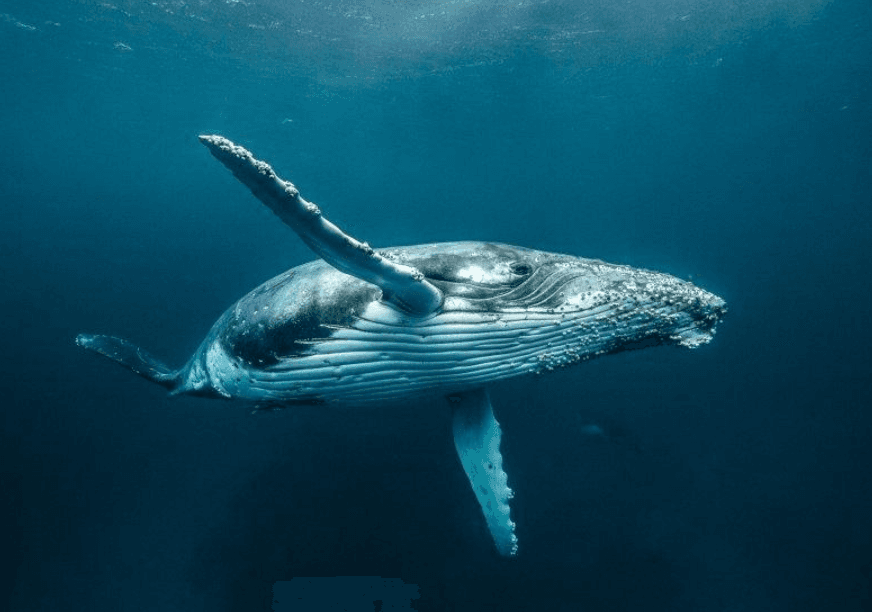
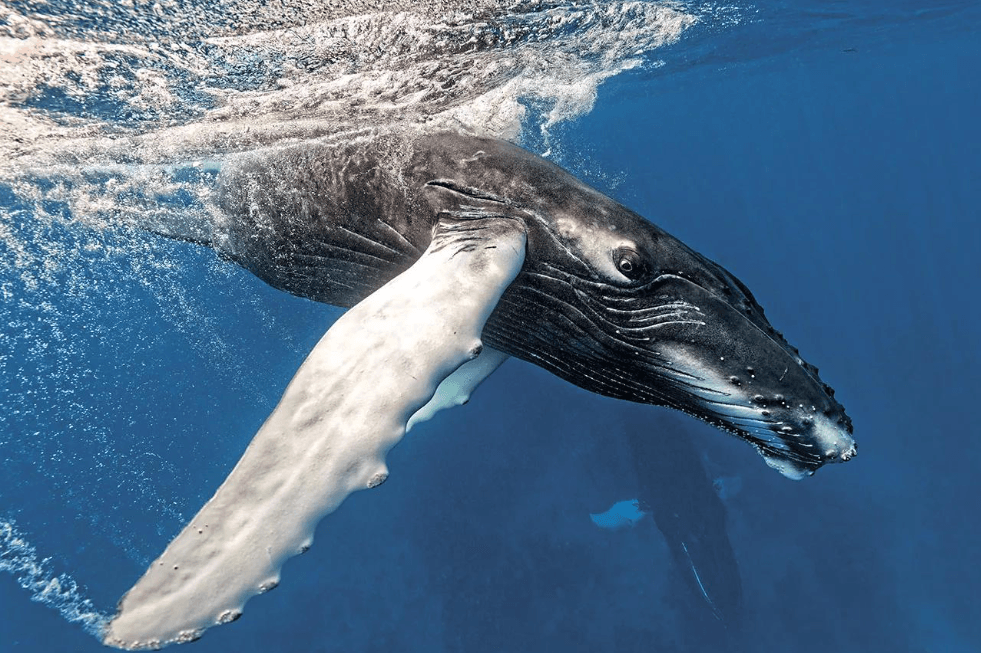
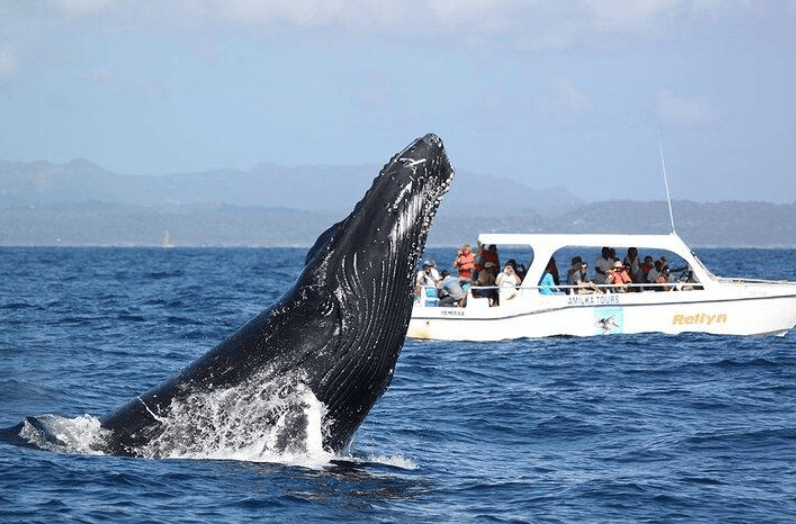
Whale watching is more than an opportunity to see humpback whales in their natural environment. In Samaná, Dominican Republic, seasonal whale-watching tourism can also create opportunities for local workers, small businesses, hospitality providers, and other members of the community.
Every visitor who plans a trip needs services beyond the boat ride itself. Travelers may need transportation, accommodation, meals, local guides, and other activities. When these services are provided by local businesses, tourism spending can help support the regional economy.
However, the benefits of tourism are not automatic. They depend on how businesses operate, how income is distributed, and whether tourism activities respect local people and the marine environment.
This guide explores how whale watching can benefit communities in Samaná, why local participation matters, and how visitors can make more thoughtful travel choices.
Why Whale Watching Matters to Samaná
Samaná is known for its coastal scenery, marine environment, and seasonal visits from humpback whales. During the whale-watching season, travelers come to the region hoping to observe these animals and learn about their behavior.
This seasonal interest can create demand for a variety of tourism services. Boat operators may need crew members and guides, while visitors may also spend money on transportation, lodging, food, and shopping.
The resulting economic activity can create opportunities for people and businesses that participate in the visitor economy.
The actual benefits vary by business, season, and community. Not every resident works in tourism, and not every visitor's payment remains in the local economy. Understanding these differences is important when discussing the economic value of whale watching.
1. Creating Jobs for Local Residents
Whale-watching tourism can support several types of employment.
Boat tours may require captains, crew members, guides, booking staff, and people responsible for maintaining vessels and equipment. Tour companies may also need drivers, customer-service workers, and administrative staff.
Other jobs may be supported indirectly. Hotels, guesthouses, restaurants, cafés, and transportation providers can experience increased demand when whale-watching visitors arrive.
Seasonal tourism can provide valuable income during busy periods. For some workers, it may complement other activities throughout the year, including fishing, agriculture, retail, or other tourism services.
Nevertheless, seasonal employment can also be unpredictable. Businesses that depend heavily on a short visitor season may experience lower income during quieter months.
Supporting reliable training, fair working conditions, and opportunities to develop additional skills can help workers benefit more sustainably from tourism.
2. Helping Small and Family-Owned Businesses
Small businesses are an important part of many visitor destinations. In and around Samaná, travelers may purchase meals, refreshments, souvenirs, transportation services, and locally provided experiences.
When visitors choose locally owned businesses, a portion of their spending may help support local owners, employees, and suppliers.
Examples include:
- Eating at a locally owned restaurant.
- Booking a tour with a reputable local operator.
- Staying at a locally operated guesthouse.
- Purchasing crafts or products from local makers.
- Hiring local guides for suitable activities.
- Using local transportation services where appropriate.
These choices do not guarantee that every payment stays in the region, but they can help direct tourism spending toward local businesses.
Travelers should still consider safety, service quality, transparent pricing, and responsible operating practices when choosing providers.
3. Supporting Restaurants and Food Suppliers
Visitors often combine whale watching with meals before or after their excursion. This creates potential demand for restaurants, cafés, food vendors, and businesses that supply ingredients.
Restaurants may purchase produce, seafood, baked goods, drinks, and other supplies from different sources. When they use local suppliers, tourism demand can create opportunities beyond the restaurant itself.
For example, a visitor's meal may support restaurant staff while also contributing to demand for ingredients, delivery services, and other supplies.
The extent of this benefit depends on where businesses source their products and how they manage their operations.
Travelers can explore local cuisine, ask about regional specialties, and choose establishments that clearly communicate their food practices. They should also follow local food-safety guidance and respect the preferences of the communities they visit.
4. Encouraging Local Guiding and Knowledge Sharing
A whale-watching trip can be more informative when guides explain the local environment, seasonal wildlife activity, and the region's relationship with the sea.
Local guides may share knowledge about coastal landscapes, community life, regional history, and the practical realities of operating tours in changing marine conditions.
This type of experience can help visitors understand Samaná beyond the whale sightings themselves.
Tourism can also create opportunities for people to develop skills in communication, customer service, wildlife interpretation, navigation, and hospitality.
Guides should distinguish reliable scientific information from personal observations or traditional knowledge. Both can contribute to a visitor's understanding, but claims about whale biology and conservation should be presented accurately.
5. Creating Opportunities for Cultural Exchange
Travel brings together people with different backgrounds, languages, and experiences. Responsible whale-watching tourism can create opportunities for visitors to learn about the communities they are visiting.
Travelers may discover local food, music, crafts, stories, and everyday traditions through community-based activities or conversations with local residents.
These experiences are most meaningful when they are shared willingly and respectfully. Local people should not be expected to perform their culture for visitors or answer personal questions simply because they work in tourism.
Visitors can show respect by asking permission before photographing people, learning a few polite Spanish expressions, following local etiquette, and paying fairly for products and services.
Cultural exchange works best when both visitors and residents feel comfortable and respected.
6. Encouraging Investment in Tourism Services
When a destination attracts visitors, businesses may have incentives to improve the services they offer.
Depending on local priorities and investment decisions, this can include better visitor information, improved booking systems, staff training, accommodation options, transportation services, and facilities used by tourists.
Some improvements may also benefit residents. For example, better information about local attractions or improved customer-service skills can support businesses serving both visitors and community members.
However, tourism investment does not always benefit everyone equally. Development can also create pressure on public spaces, housing, transport, and local resources if it is poorly planned.
The long-term value of tourism depends on balancing visitor demand with the needs and priorities of the people who live in the region.
7. Connecting Tourism With Marine Conservation
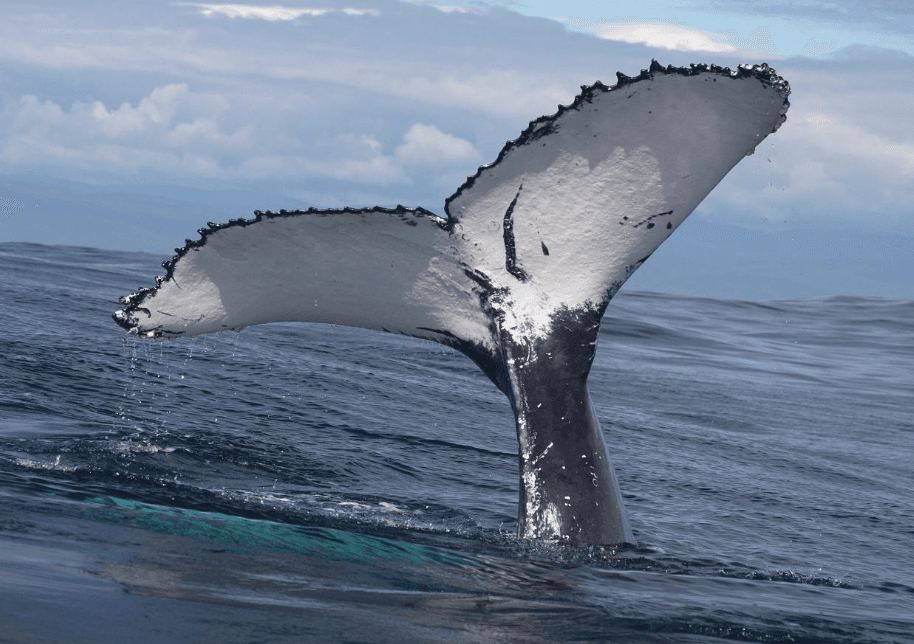
Humpback whales are a major attraction during Samaná's seasonal whale-watching period. Responsible tourism can help visitors appreciate why marine wildlife and healthy ocean habitats matter.
Tour operators may include educational information about whale behavior, migration, and wildlife-viewing practices. Visitors who learn about these topics may become more interested in marine conservation.
Businesses can also demonstrate responsible practices by following applicable regulations, managing waste appropriately, and avoiding activities that unnecessarily disturb wildlife.
It is important, however, not to assume that every whale-watching business directly funds conservation or that tourism automatically protects whale populations. Any such claim should be supported by evidence about the specific business or initiative.
Tourism and conservation can support each other when wildlife welfare is prioritized and environmental impacts are managed carefully.
8. Helping Local Businesses Develop Beyond Whale Season
Whale watching is seasonal, so businesses may benefit from offering additional services during other parts of the year.
Depending on local conditions and visitor interests, tourism providers may develop experiences involving beaches, coastal scenery, food, cultural activities, hiking, or other appropriate attractions.
Diversifying services can help some businesses reach different visitor groups and reduce their dependence on one seasonal activity.
For workers, additional training may open opportunities in hospitality, customer service, marketing, language skills, and other fields.
Diversification is not equally practical for every business. It requires planning, resources, and an understanding of visitor demand. Still, a broader tourism economy can offer more flexibility than relying on a single attraction.
9. Why Responsible Tourism Is Important
Economic activity is only one measure of a successful tourism destination. Tourism should also respect local communities, protect the natural environment, and provide safe experiences for visitors and workers.
Poorly managed tourism can create problems such as excessive waste, pressure on local infrastructure, unfair working conditions, or disturbance to wildlife.
Responsible tourism aims to reduce these risks while supporting worthwhile visitor experiences.
Travelers can contribute by choosing reputable operators, respecting local rules, avoiding litter, treating workers courteously, and paying agreed prices. Businesses can contribute by providing clear information, following regulations, and treating employees and customers fairly.
Local authorities, tourism organizations, residents, and businesses all have a role in determining how tourism develops.
10. How Visitors Can Support Samaná's Local Economy
You do not need a complicated plan to make thoughtful spending decisions during your trip.
Book with reputable local providers
Research tour operators and ask clear questions about safety, wildlife practices, pricing, and what the booking includes.
Eat and shop locally
Consider locally owned restaurants, shops, and vendors. Buy products you genuinely want and ask permission before photographing vendors or their displays.
Consider locally operated accommodation
Compare accommodation options based on safety, comfort, location, environmental practices, and ownership where that information is available.
Respect local people and customs
Be polite, ask before taking photographs, and avoid treating residents as tourist attractions.
Leave honest and constructive reviews
Describe your actual experience. Mention good service and responsible practices, and raise concerns fairly without making claims you cannot substantiate.
Avoid unsupported conservation promises
If a business claims that a portion of its revenue supports whale research or local conservation, ask how the program works and look for credible information about the initiative.
These actions help visitors make more informed choices without assuming that every business operates in the same way.
Frequently Asked Questions
How does whale watching benefit local communities in Samaná?
It can create demand for boat tours, guiding, transportation, accommodation, restaurants, and other services. The extent of the benefit depends on local participation, business ownership, and how tourism income is distributed.
Does whale watching create jobs?
It can support direct jobs such as boat crew and tour guides, as well as indirect opportunities in hospitality, transport, food services, and retail. Employment levels may vary by season.
How can tourists support small businesses in Samaná?
Visitors can consider reputable local tour operators, locally owned accommodation, restaurants, shops, and guides. They should compare services carefully and make informed choices based on quality, safety, and responsible practices.
Does whale-watching tourism automatically protect whales?
No. Tourism can raise awareness and create incentives to maintain a wildlife attraction, but it can also disturb animals if poorly managed. Responsible operating practices and compliance with applicable rules are essential.
Is whale watching the only source of tourism income in Samaná?
No. Samaná attracts visitors for multiple reasons, including coastal scenery, beaches, nature, and other tourism experiences. Whale watching is one part of the broader regional visitor economy.
What is the best way to travel responsibly in Samaná?
Choose reputable providers, respect local communities and wildlife, avoid littering, follow safety instructions, and seek accurate information about the businesses and activities you support.
Conclusion
Whale-watching tourism can contribute to the economy of Samaná by creating demand for jobs, local services, food providers, accommodation, and small businesses. It can also give visitors opportunities to learn about regional culture and the importance of marine wildlife.
The benefits are not automatic, and their distribution depends on how tourism is organized and managed. Responsible operators, informed travelers, local participation, and appropriate environmental safeguards all matter.
When planning your Samaná whale-watching trip, consider the wider community as well as the wildlife you hope to see. By making thoughtful choices and treating local people with respect, you can help support a more responsible visitor economy while enjoying one of the region's most memorable seasonal experiences.

Local explorer & expert guide in Whales of Samaná.