How to Choose an Eco-Friendly Tour Operator in Samaná
Choosing a tour operator is an important part of planning a trip to Samaná, Dominican Republic. The right provider can help you discover beautiful landscapes, learn about local culture, and experience nature while respecting the environment.
However, a tour advertised as “eco-friendly,” “green,” or “sustainable” is not automatically responsible. Travelers need to look beyond promotional language and examine how an excursion is organized, how wildlife is treated, and whether the provider demonstrates respect for local communities.
This guide explains how to evaluate eco-friendly tours in Samaná and make a more informed booking decision.
What Makes a Tour Operator Eco-Friendly?
An eco-friendly tour operator considers the environmental and social effects of its activities. This means more than offering an outdoor experience or visiting a natural attraction.
Responsible providers take practical steps to reduce waste, respect wildlife, follow applicable regulations, and help visitors understand the places they explore.
For example, a nature excursion may involve a small group, a knowledgeable guide, clear visitor rules, and appropriate waste-management practices. A wildlife tour should prioritize animal welfare rather than guaranteeing close encounters for photographs.
No single feature proves that an operator is sustainable. Look for consistent practices supported by clear explanations and verifiable information.
1. Research the Operator Before Booking
Start by learning about the company behind the excursion. Visit its website, review its tour descriptions, and look for information about its guides, operating practices, and environmental commitments.
A responsible provider should explain what visitors will experience, what is included, and what behavior is expected during the activity.
Look for details such as:
- Clear descriptions of the excursion and its route.
- Information about guides and relevant experience.
- Safety instructions and equipment requirements.
- Environmental rules for visitors.
- Transparent prices and cancellation conditions.
- Contact information and clear booking arrangements.
Be cautious when a website makes impressive environmental claims without explaining what those claims mean in practice.
If important information is missing, contact the company before paying. A provider's willingness to answer reasonable questions can help you assess its professionalism.
2. Look for Knowledgeable Local Guides
Local knowledge can make a nature excursion more meaningful. A knowledgeable guide may explain the area's ecosystems, cultural traditions, history, and environmental challenges.
When evaluating a provider, ask who will lead the excursion and what experience they have with the specific activity. For a forest walk, you might ask about familiarity with the route. For a marine excursion, ask about wildlife-viewing procedures and relevant safety training.
Guides should be willing to explain visitor rules rather than encouraging behavior that disturbs animals or damages natural areas.
Booking with a locally operated business may also help direct tourism income into the destination's economy. However, do not assume that every local company follows sustainable practices or that every larger operator fails to do so. Assess each provider on its actual conduct.
3. Evaluate Wildlife Protection Practices
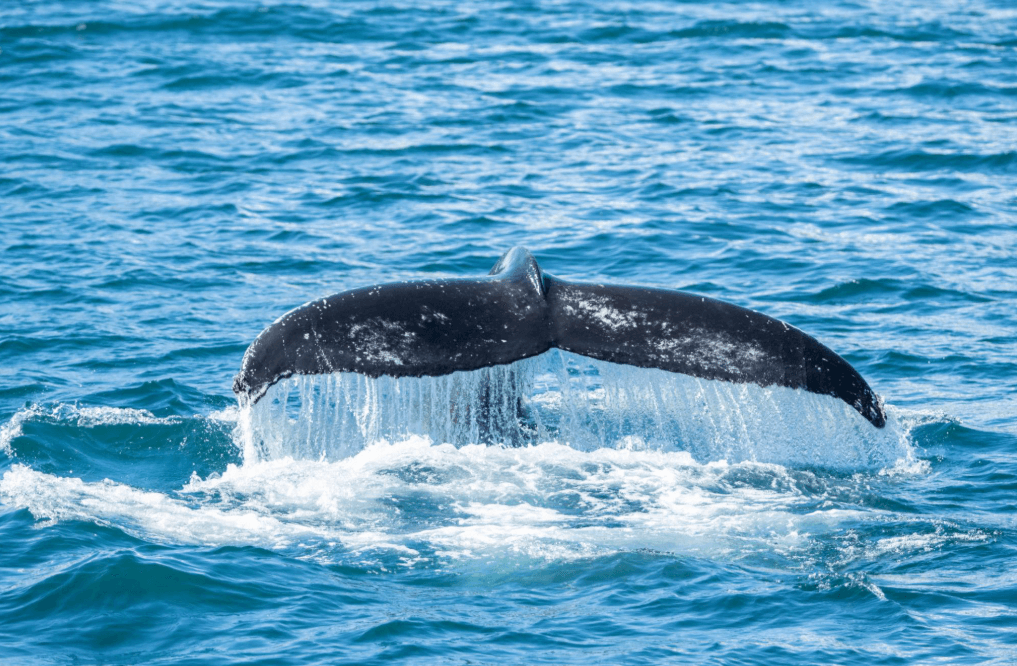
Samaná attracts travelers interested in marine wildlife, particularly humpback whales during their seasonal presence in the region. Wildlife experiences can be memorable, but they should not come at the expense of the animals.
Before booking a whale-watching tour, ask how the operator follows applicable wildlife-viewing rules and manages encounters around whales and calves.
Responsible practices include respecting required distances, avoiding disruptive approaches, and following instructions designed to minimize disturbance. Operators should never encourage visitors to touch, chase, or feed wild animals.
Be skeptical of guarantees that promise a particular animal behavior, such as a breach, or an unusually close encounter. Wildlife is unpredictable, and a responsible operator should explain that sightings and behaviors cannot be guaranteed.
The same principles apply to birdwatching and other nature excursions: observe quietly, give animals space, and avoid disturbing their habitats.
4. Ask How the Company Reduces Environmental Impact
Outdoor tourism can create waste, disturb habitats, and place pressure on natural attractions when it is poorly managed.
Ask prospective operators how they address the environmental effects of their activities. Their answers may reveal more than a generic sustainability statement.
Useful questions include:
- How does the company manage rubbish during excursions?
- Does it encourage visitors to use reusable water bottles where practical?
- How does it prevent wildlife disturbance?
- Does it follow access restrictions and local conservation rules?
- How are group sizes and visitor behavior managed?
- What happens when weather or environmental conditions make an activity unsuitable?
Look for specific, realistic answers. No tour can claim to have zero environmental impact simply because it takes place in nature.
A responsible company should acknowledge that outdoor activities have effects and explain the practical steps it takes to reduce avoidable harm.
5. Check Whether the Tour Benefits Local Communities
Sustainable tourism should consider the people who live and work in the destination, not only the landscapes visitors come to see.
Where possible, investigate whether a tour company works with local guides, purchases services locally, or collaborates with community businesses.
A provider may support the local economy through employment, transportation services, food purchases, or partnerships with other small businesses.
Ask how the excursion is organized and whether it includes meaningful interaction with local communities. Be wary of tours that present residents as attractions without considering their privacy, consent, or interests.
Supporting local businesses can be a positive choice, but it is important to avoid assuming that a company's ownership or location alone proves its wider social impact.
6. Read Reviews Carefully
Online reviews can help you understand how a company treats customers and organizes its tours.
Look for repeated comments about punctuality, communication, guide knowledge, safety, respect for wildlife, and how the operator responds when plans change.
Do not judge a provider solely by its average star rating. A company might receive excellent reviews for friendly service while offering little evidence of responsible environmental practices.
Similarly, one negative review does not necessarily establish a pattern of poor conduct.
Read several recent and detailed reviews, paying attention to recurring concerns. If multiple travelers mention misleading descriptions, unsafe behavior, or disregard for local rules, investigate further before booking.
7. Understand the Booking Terms and Total Cost
A responsible operator should communicate the financial and practical details of a tour clearly.
Before paying, check what the advertised price includes. Depending on the excursion, there may be additional charges for transportation, meals, equipment, entrance fees, or other services.
Confirm the meeting location, expected duration, group size, accessibility considerations, and cancellation policy.
Weather can affect outdoor activities in Samaná. Ask what happens if an excursion is canceled, delayed, or changed because conditions are unsuitable.
Avoid sending money through an arrangement that you cannot verify. Use payment methods you understand, keep booking confirmations, and make sure you know how to contact the provider.
A slightly higher price may reflect a different level of service, equipment, group size, or local expertise. Compare what is actually included rather than assuming the cheapest or most expensive tour is the most sustainable.
8. Be Careful With Environmental Certifications
Some tourism businesses use environmental certifications or participate in sustainability programs. These can be useful signals when their standards and verification processes are clear.
If a company displays a sustainability badge, investigate who issued it and what it evaluates. Determine whether the recognition is current and whether it applies to the specific business or activity you intend to book.
A logo on a website is not enough to establish that an operator has been independently assessed.
If you cannot verify a certification, focus on observable practices, transparent policies, and credible information about the company.
You do not need to find a perfect operator to make a better choice. The goal is to make a thoughtful decision based on the information available.
9. Choose Excursions That Match Your Needs
An environmentally responsible tour should also be suitable for the people taking part.
Consider the activity's physical demands, duration, transportation arrangements, and safety requirements. If you have specific accessibility needs, ask the operator for details before booking.
For example, a waterfall excursion may involve uneven paths, while a boat trip may require stepping between surfaces or boarding from a dock. The requirements vary by activity and operator.
Choose a tour that fits your interests and abilities instead of booking an experience solely because it is advertised as popular or environmentally friendly.
A good provider should describe the activity honestly and help you understand whether it is appropriate for your group.
10. Practice Responsible Tourism Yourself
Choosing a responsible operator is only part of the process. Your behavior during the excursion also matters.
Follow the guide's instructions, carry your rubbish out, and avoid disturbing wildlife. Respect restricted areas and do not remove natural materials where collection is prohibited.
Ask permission before photographing residents, and respect requests for privacy. Use water and other resources thoughtfully, and consider purchasing food or services from reputable local businesses.
If an operator encourages unsafe or harmful behavior, do not participate simply because you have already paid. Raise your concerns when safe to do so and consider reporting serious issues to the relevant authority.
Responsible travel works best when both visitors and providers take their responsibilities seriously.
Questions to Ask Before Booking an Eco-Friendly Tour
Use these questions when contacting a potential tour operator:
- Who will guide the excursion, and what experience do they have?
- What environmental practices does the company follow?
- How does the tour avoid disturbing wildlife?
- What is included in the total price?
- What are the cancellation and bad-weather policies?
- Are there any physical or accessibility requirements?
- Does the operator follow relevant local regulations?
- How can I verify any environmental certifications or sustainability claims?
You do not need to ask every question for every activity. Prioritize the points most relevant to the excursion you are considering.
Frequently Asked Questions
Are eco-friendly tours in Samaná always sustainable?
No. The term “eco-friendly” can be used broadly in marketing. Review the operator's actual practices, environmental policies, wildlife procedures, and community relationships before booking.
How can I find a responsible whale-watching operator?
Ask about wildlife-viewing procedures, applicable regulations, guide experience, safety measures, and how the operator responds when sightings are limited. Avoid providers that promise guaranteed animal behavior or encourage disruptive encounters.
Are small-group tours better for the environment?
Smaller groups can make visitor management easier and may reduce pressure at some locations. However, group size alone does not prove that a tour is sustainable. Consider the operator's overall practices and the sensitivity of the destination.
Should I choose a tour based on price?
Compare the full package, including transportation, equipment, guide services, safety arrangements, and cancellation terms. Price alone is not a reliable measure of environmental responsibility.
What should I do if an operator makes misleading sustainability claims?
Ask for specific evidence and clarify what the claims mean. If you believe the company is engaging in deceptive or harmful practices, consider reporting the issue through an appropriate consumer-protection or tourism authority.
Conclusion
Choosing an eco-friendly tour operator in Samaná requires more than searching for the word “sustainable.” Travelers should examine how a company treats wildlife, manages waste, supports local communities, communicates safety requirements, and handles bookings.
Look for specific practices, ask sensible questions, and compare providers carefully. During the excursion, follow local guidance and behave respectfully toward nature and the people who call Samaná home.
Your booking decision can help encourage better tourism practices. By choosing providers that demonstrate genuine responsibility, you can enjoy a more informed and considerate experience while contributing to the long-term care of Samaná's natural and cultural attractions.

Local explorer & expert guide in Whales of Samaná.