What Can You See on a Samaná Whale-Watching Tour?
A whale-watching excursion in Samaná, Dominican Republic, offers visitors the opportunity to observe one of the Caribbean's most remarkable marine wildlife experiences. During the seasonal migration, humpback whales travel to the warm waters around Samaná Bay, where they engage in behaviors associated with breeding, courtship, and caring for their young.
For travelers, the experience can be exciting, educational, and sometimes surprising. You might see a whale lift its tail above the water, send a plume of mist into the air, or launch part of its enormous body above the surface. On other trips, the whales may remain mostly underwater, giving visitors only brief glimpses of their movements.
Understanding what you might see—and why whale sightings vary—can help you appreciate the excursion beyond simply looking for a spectacular photograph.
1. Humpback Whales in Their Natural Environment
The main attraction of a Samaná whale-watching tour is the humpback whale (Megaptera novaeangliae), a large baleen whale known for its long pectoral fins, distinctive tail flukes, and powerful movements.
Humpback whales migrate between feeding grounds in colder waters and warmer tropical or subtropical regions. Samaná Bay is among the Caribbean locations associated with their seasonal presence.
Adult humpbacks can reach approximately 15–16 meters in length, although sizes vary. Their enormous bodies can make even a brief sighting memorable.
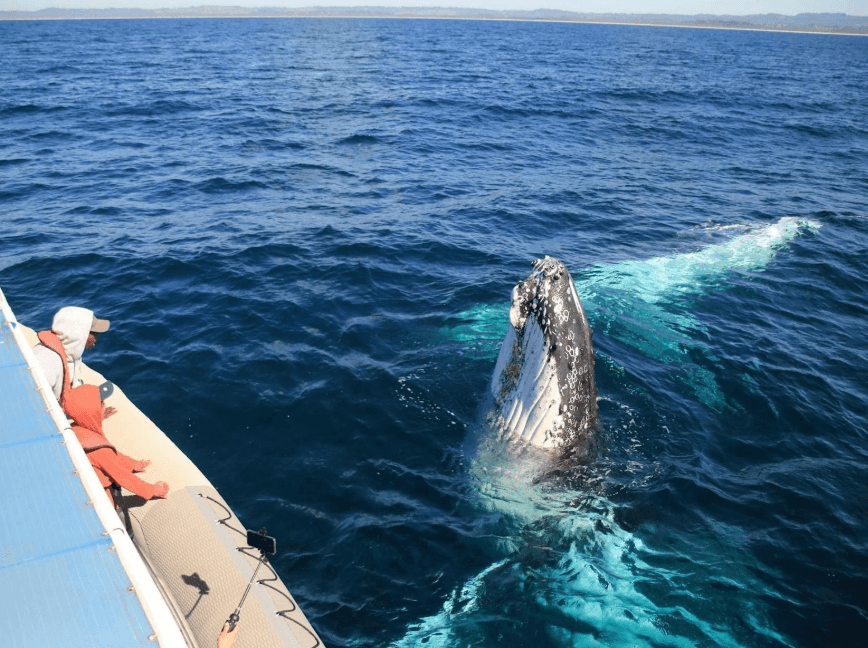
During an excursion, visitors may observe a whale surfacing to breathe, swimming near the surface, diving, or moving through the water with other whales.
The important thing to remember is that these are wild animals. Their behavior cannot be scheduled, and every outing may offer a different experience.
2. Whale Breaching: A Spectacular Surface Display
One of the most exciting sights in whale watching is a breach. This occurs when a whale propels much of its body out of the water before falling back onto the surface.
A breach can produce a dramatic splash that is visible from a considerable distance under suitable conditions.
Scientists have proposed several possible explanations for breaching, including communication, social interaction, and the removal of parasites or other material from the skin. The reason for a particular breach is not always clear.
Although photographs of breaching whales often appear in travel promotions, this behavior is not guaranteed during a tour. You may witness several breaches, or you may see whales performing other, less dramatic activities.
If a whale breaches, watch the animal rather than concentrating entirely on your camera. The movement can happen quickly, and enjoying the moment directly can be just as rewarding as capturing it.
3. Tail Flukes Rising Above the Water
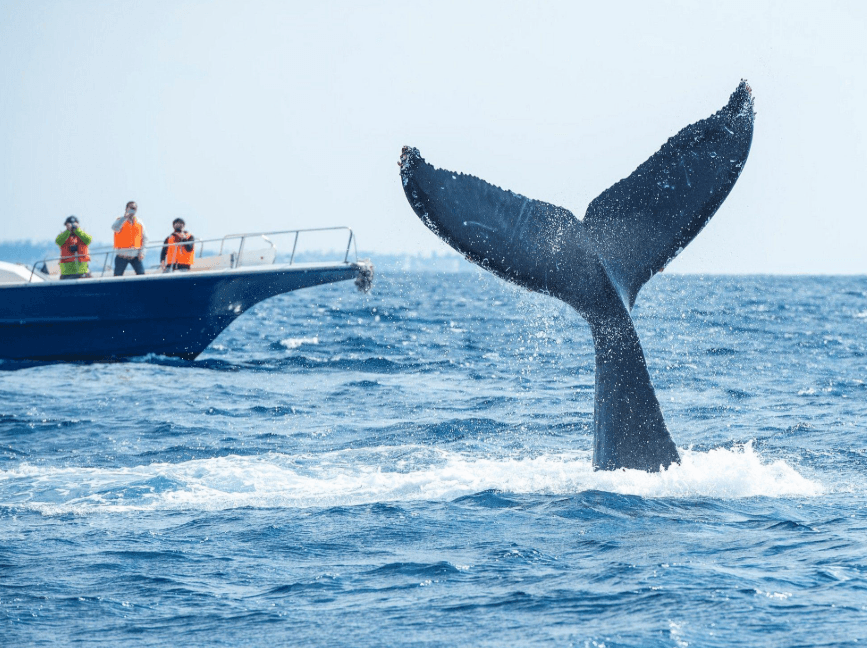
A whale's tail, known as its fluke, is another feature visitors may notice during a Samaná excursion.
Before a deep dive, a humpback whale may raise its tail above the surface. The broad fluke can display distinctive patterns and markings on its underside.
Researchers use photographs of these markings, along with other identification features, to help distinguish individual humpback whales.
A tail-up dive can be an especially useful moment for photography. However, not every dive includes a visible tail display. Sometimes the whale simply disappears beneath the surface.
When this happens, keep watching the surrounding water. The whale may surface again nearby, although the timing and location cannot be predicted.
4. Whale Spouts and Breathing
A whale spout is often one of the first signs that an animal is nearby.
Humpback whales breathe air through blowholes on top of their heads. When a whale surfaces to breathe, the visible plume may appear as a misty spray above the water.
From a boat, a spout can help passengers and guides identify where a whale has surfaced. Several spouts appearing in the same area may indicate that multiple whales are present.
The shape and visibility of a spout can vary with the animal's breathing, wind, light, and viewing distance.
Keep your eyes on the water rather than looking only at the horizon. A brief spout may be easier to notice than the whale's body itself.
5. Mother Whales and Their Calves
Samaná's seasonal whale-watching period may provide opportunities to observe humpback mothers with their calves.
Calves are born in warm breeding areas, where they remain with their mothers during their early development. They depend on their mothers for milk and protection while building strength for migration.
A mother-and-calf sighting can be especially meaningful because it offers a glimpse into the whales' life cycle. Depending on their behavior and the conditions, visitors may see the pair swimming near the surface or surfacing to breathe.
However, these encounters require particular care. Boats should maintain appropriate distances and follow local rules designed to reduce disturbance.
A responsible tour operator will prioritize the animals' welfare instead of trying to move closer for a better photograph.
6. Groups of Whales and Social Activity
Not every sighting involves a single whale.
During the breeding season, humpbacks may be seen alone, with a calf, or in temporary groups. Some groups may include several animals interacting near the surface.
In certain circumstances, visitors may observe energetic swimming, repeated surfacing, or other social behaviors.
These displays can be fascinating, but their meaning is not always obvious to observers. Guides may explain what is known about the behavior while acknowledging that scientists cannot always determine exactly what the whales are doing.
The number of whales visible on a particular excursion can vary considerably. A larger group is possible, but travelers should avoid assuming that every trip will produce the same number of sightings.
7. Other Marine Wildlife You Might Encounter
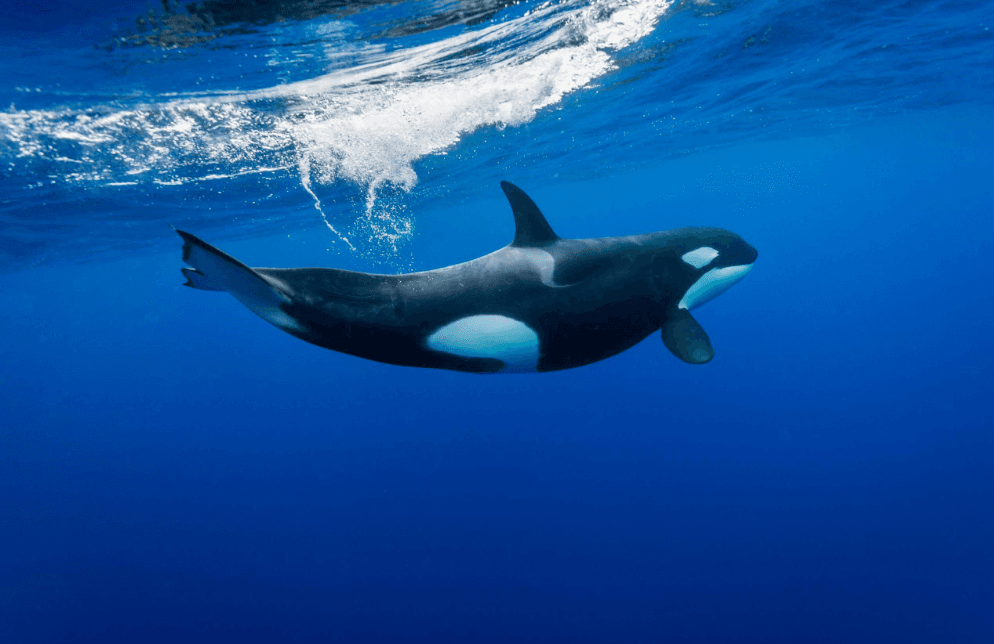
Humpback whales are the principal attraction, but the surrounding marine environment may offer additional wildlife sightings.
Depending on the location and conditions, visitors could notice seabirds or other marine animals. The species present will depend on the season, habitat, and local conditions.
It is best to consider these encounters a bonus rather than a guaranteed part of the tour.
Samaná Bay is also known for its coastal scenery. The surrounding landscape can add to the experience, especially when the boat travels through areas where the bay, shoreline, and nearby hills are visible.
Even when wildlife is difficult to spot, the journey offers an opportunity to appreciate the region's natural environment.
8. When Is the Best Time to See Whales in Samaná?
Humpback whales typically visit Dominican Republic waters during the winter and early spring breeding season. Whale watching around Samaná is commonly associated with January through March, although seasonal dates and sightings vary.
The middle of the season can be a popular time to plan a trip, but no particular month or day guarantees a specific display.
Before booking, confirm the current season dates, departure arrangements, and local operating conditions with a reputable tour operator or the relevant local authorities.
Remember that seeing a breach, tail display, or mother with a calf depends on natural behavior—not simply the month on the calendar.
9. How to Prepare for a Better Whale-Watching Experience
A little preparation can make the trip more comfortable and help you focus on the wildlife.
Bring the essentials:
- Sunscreen and sun protection suitable for a boat trip.
- A hat and sunglasses secured against wind.
- Drinking water, following the operator's guidance.
- A camera or phone, preferably with a wrist strap or secure case.
- Lightweight clothing appropriate for the weather.
- Any motion-sickness remedy you normally use, following its label and professional advice where needed.
Choose clothing and footwear suitable for the boat and the expected conditions. Listen carefully to the crew's safety briefing and follow all instructions while the vessel is moving.
If you want photographs, a zoom lens can help you capture distant wildlife without encouraging the boat to approach too closely.
Most importantly, be patient. Wildlife watching is about observing animals on their terms, not making them perform for visitors.
10. Responsible Whale Watching Matters
Whale watching is most valuable when it supports appreciation and conservation rather than disturbing wildlife.
Before booking, look for an operator that follows applicable Dominican Republic regulations and current whale-watching guidance.
Responsible practices include:
- Maintaining legally required distances from whales.
- Following instructions about speed, approach, and vessel positioning.
- Avoiding attempts to touch, feed, chase, or surround the animals.
- Keeping noise and sudden movements under control where possible.
- Respecting restrictions around mothers and calves.
- Following the crew's instructions if whales change direction or approach the vessel.
Rules can differ according to the situation and may be updated, so verify the current requirements rather than relying on a general online description.
A good excursion is not measured only by how close a boat gets. Respectful observation helps protect the wildlife that makes Samaná special.
11. What If You Do Not See a Breach?
A common misconception is that a successful whale-watching trip must include a whale jumping completely out of the water.
In reality, breaching is only one possible behavior. A whale surfacing to breathe, showing its tail, or moving quietly through the water can still provide a valuable wildlife encounter.
Some trips produce extended observations, while others offer brief sightings or less predictable conditions. Weather, visibility, animal behavior, and other factors can influence what passengers see.
Ask your tour operator about its wildlife-sighting policies before booking. Do not assume that a sighting guarantee, refund, or repeat trip is included unless the operator clearly states the terms.
Approaching the excursion with realistic expectations helps make the experience more enjoyable.
12. Make Your Samaná Wildlife Experience Meaningful
A whale-watching trip is an opportunity to see humpback whales while learning about migration, marine ecosystems, and responsible wildlife tourism.
Instead of focusing exclusively on spectacular displays, pay attention to the details: the whale's breathing, the shape of its tail, the rhythm of its surfacing, and the relationship between the animals and their environment.
If you are planning a visit, compare tour durations, departure points, safety practices, group sizes, and cancellation policies before making a booking.
You can also explore other natural attractions in the Samaná region, provided your schedule and transportation arrangements allow enough time for each activity.
For tour details, availability, and departure information, visit Whales of Samaná and verify the current information before booking.
Frequently Asked Questions
What whales can you see in Samaná?
Humpback whales are the main species associated with Samaná's seasonal whale-watching excursions. Other marine wildlife may occasionally be observed, depending on local conditions.
Can you see whales jumping out of the water?
Yes, humpback whales sometimes breach, but breaching is unpredictable. A tour may include other behaviors, such as surfacing, breathing, diving, or tail displays.
Can you see baby whales in Samaná?
Mother-and-calf pairs may be observed during the breeding season. Sightings depend on where the whales are and their natural behavior on the day of the trip.
What month is best for whale watching in Samaná?
The main season is generally January through March. Exact sightings vary from year to year, and no particular date guarantees a specific encounter.
Are whale sightings guaranteed?
Not necessarily. Wild animals move freely, and sightings depend on natural and environmental conditions. Check the operator's written policy before booking.
Is whale watching suitable for children?
It can be a memorable family activity, depending on the child's age, comfort on boats, and the tour's safety requirements. Confirm age restrictions, trip duration, and any motion-sickness considerations with the operator.
Final Thoughts
Samaná whale watching offers much more than the chance to photograph a whale breaching. It gives travelers an opportunity to observe humpback whales in their natural environment and learn about their seasonal migration and behavior.
From a misty spout to a raised tail or a mother swimming with her calf, every sighting can reveal something different about these remarkable marine mammals.
Plan thoughtfully, choose a responsible operator, and approach the experience with patience. The most memorable moment may be something you never expected to see.

Local explorer & expert guide in Whales of Samaná.