Samaná Whale Watching: The Complete Guide for 2027
Samaná whale watching is one of the most memorable wildlife experiences in the Dominican Republic. Every year, humpback whales migrate to the warm Caribbean waters around Samaná Bay, creating opportunities for visitors to observe these magnificent marine mammals in their natural environment.
Whether you are planning a Caribbean vacation, traveling with family, or looking for a unique nature excursion, whale watching in Samaná can be a highlight of your trip. Knowing when to visit, how to choose a tour, and what to bring can help you prepare for a more enjoyable experience.
In this guide, you will discover when whale-watching season takes place, what to expect from a boat excursion, how to prepare, and how to observe whales responsibly during your 2027 visit.
Why Is Samaná Famous for Whale Watching?
Samaná is located on the northeastern coast of the Dominican Republic. Its bay and surrounding waters are well known for seasonal visits by North Atlantic humpback whales.
These whales migrate from colder feeding grounds to warmer Caribbean waters during the breeding season. The region provides important habitat for mating, giving birth, and caring for young calves.
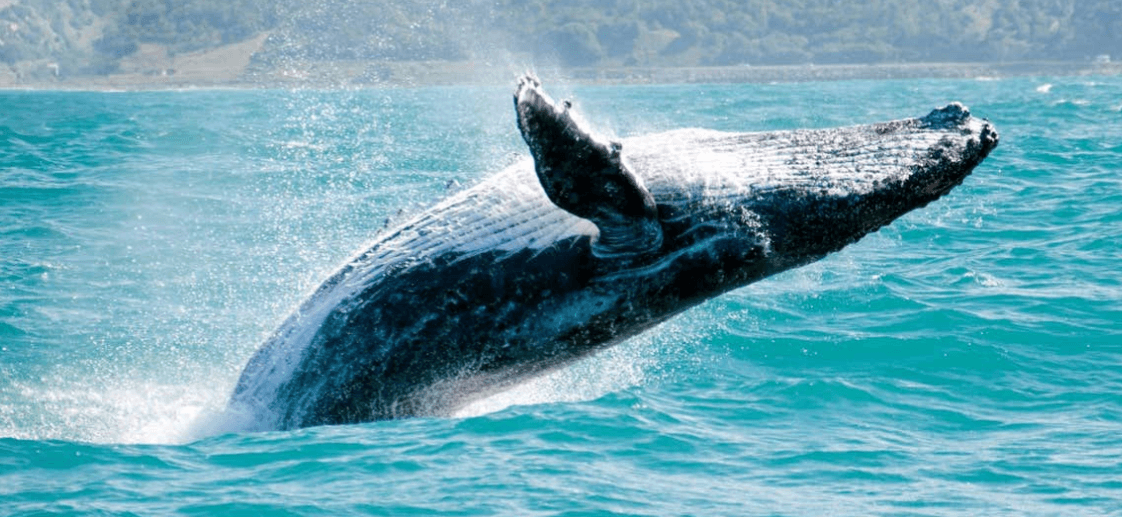
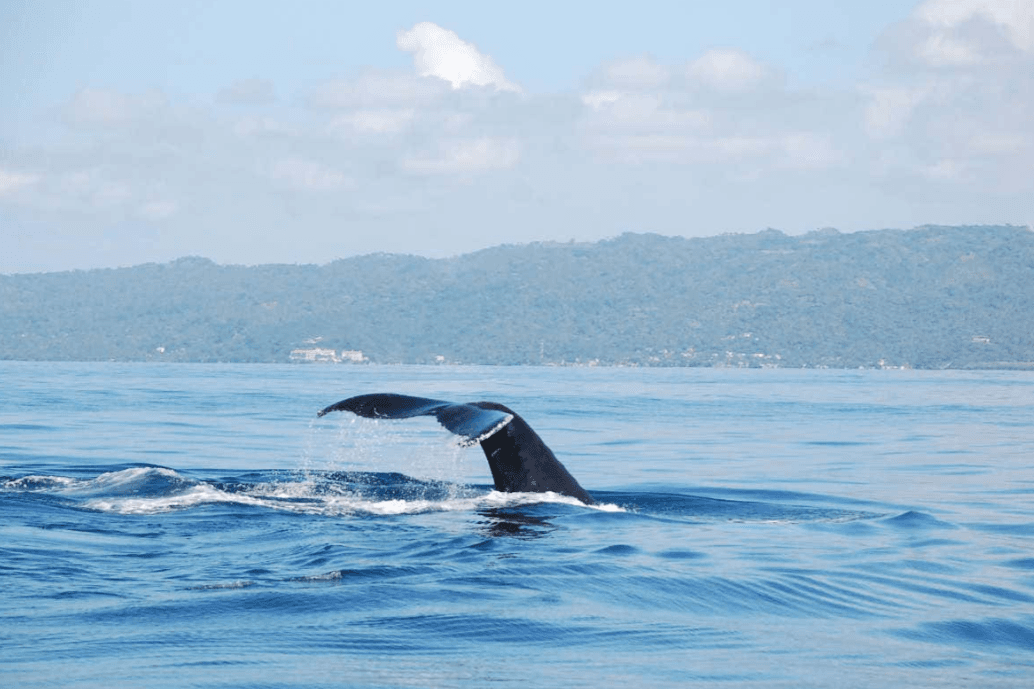
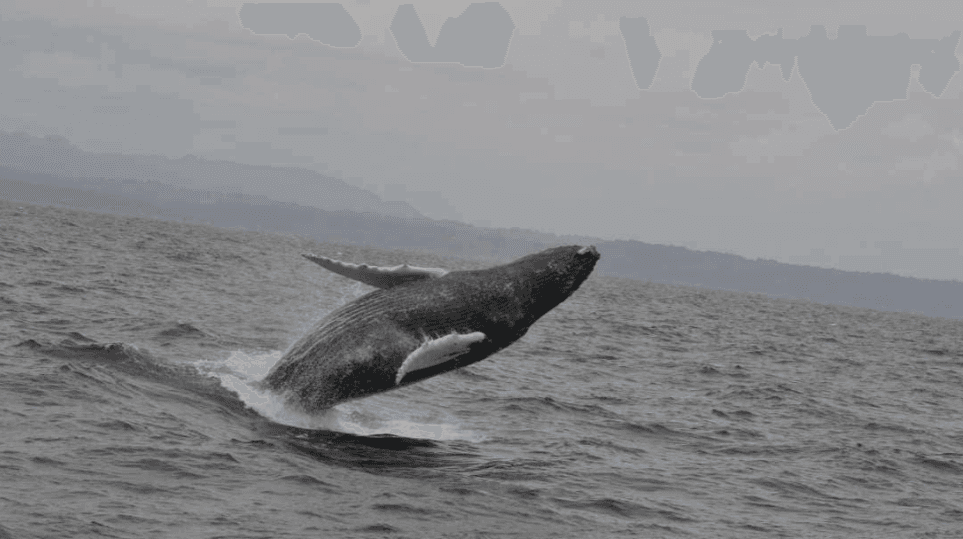
During a boat excursion, visitors may see whales surfacing, lifting their tails, or occasionally breaching above the water. Every trip is different because the whales move freely through their natural environment.
The combination of marine wildlife and beautiful coastal scenery makes Samaná an appealing destination for nature lovers, families, and photographers.
When Is Whale-Watching Season in Samaná?
The main whale-watching season in Samaná generally runs from January through March, although activity may extend beyond these months. Exact timing and viewing conditions can vary from year to year.
For a 2027 visit, January, February, and March are the main months to consider when planning your trip. February falls within the core season, but sightings are never guaranteed on a particular date.
Before booking, confirm current operating dates, departure schedules, weather policies, and applicable regulations with your chosen tour provider.
Is February a Good Month for Whale Watching?
February is a popular month for whale watching because it falls within the main season. It can be a suitable choice for travelers hoping to observe humpback whales in Samaná Bay.
However, whale activity depends on natural conditions. Choose a tour operator that explains its wildlife-viewing practices and provides clear information about cancellations or changes caused by unsuitable weather.
What Can You Expect on a Samaná Whale-Watching Tour?
A typical excursion involves traveling by boat to a designated viewing area where humpback whales may be present. The route and duration depend on the departure point, tour package, weather, and sea conditions.
Your experience may include:
- Meeting the crew at the confirmed departure point.
- Receiving a safety briefing before departure.
- Traveling by boat into the whale-watching area.
- Observing whales when they are present and conditions permit.
- Returning to the departure point after the excursion.
Some packages may combine whale watching with additional sightseeing or transportation. Check the itinerary carefully because inclusions and schedules vary by provider.
How to Choose the Right Whale-Watching Tour
The best tour for you depends on your budget, group size, schedule, and preferred experience. Compare the practical details before making a reservation.
Group Tours
Group tours can be suitable for solo travelers, couples, and families who are comfortable sharing a boat with other passengers.
Before booking, ask about the boat type, group size, departure time, and expected duration. Confirm whether transportation and other services are included.
Private Tours
A private tour may offer a more personalized experience for families or small groups. Depending on the package, it may provide a dedicated boat and a more flexible schedule.
Confirm the price, inclusions, departure arrangements, and cancellation policy directly with the provider. A private tour does not guarantee more whale sightings or closer encounters.
What to Check Before Booking
Before paying for your excursion, confirm:
- The exact departure location and meeting time.
- Whether hotel pickup and return transportation are included.
- The expected duration of the tour.
- What the price includes and excludes.
- Any child age restrictions and safety requirements.
- Weather cancellation, refund, and rescheduling policies.
- Whether the operator follows current wildlife-viewing regulations.
Comparing these details helps you choose a tour that fits your needs rather than relying on advertising alone.
How to Get to Samaná for Whale Watching
Your journey to Samaná depends on where you are staying in the Dominican Republic and where your tour departs.
Travelers based in Samaná town or Las Terrenas may have different transfer needs from visitors staying in Punta Cana or Santo Domingo. Some packages may include ground transportation, while others require guests to reach the departure point independently.
If you are traveling from another resort area, allow sufficient time for the journey. Confirm pickup locations, estimated transfer times, and return arrangements before booking.
Never assume that transportation is included simply because a tour advertises Samaná as its destination.
What Should You Bring on Your Whale-Watching Trip?
Preparing for the boat journey can make your excursion more comfortable. Conditions on the water may feel different from those on land, so follow your operator's recommendations.
Consider bringing:
- Sunscreen and sunglasses.
- A secure hat.
- Lightweight, comfortable clothing.
- A light jacket or wind-resistant layer.
- Suitable footwear.
- Drinking water, where permitted.
- A camera or phone with a secure strap.
- Any personal medication you may need.
- An appropriate seasickness remedy if you are prone to motion sickness.
Protect electronic devices from splashes and keep personal belongings secure. If you are considering medication for motion sickness, consult a healthcare professional or pharmacist when appropriate and follow the product directions.
Is Samaná Whale Watching Suitable for Children?
Whale watching can be a memorable family activity, but suitability depends on the child's age, comfort on boats, sea conditions, and the operator's policies.
Before booking, ask about minimum age requirements, life jackets, seating, toilet facilities, and trip duration. Consider whether your child will be comfortable on the boat and able to follow the crew's safety instructions.
Parents and guardians should supervise children throughout the excursion. If conditions are unsuitable or a child becomes uncomfortable, follow the crew's guidance.
Responsible Whale Watching in Samaná
Responsible wildlife viewing helps protect whales and supports a safer experience for passengers.
Choose an operator that follows the current rules for the designated whale-watching area. Listen to the crew, respect required viewing distances, and never encourage a boat operator to chase or disturb whales for a closer photograph.
Whales are wild animals, not performers. Their natural behavior should determine the encounter, and visitors should be prepared to observe patiently without expecting a particular display.
Before your trip, check current guidance from the Dominican Republic's environmental authorities and ask your provider about its wildlife-viewing practices.
What Else Can You Do in Samaná?
If you have additional time, consider exploring other attractions in the region.
Cayo Levantado
Cayo Levantado is known for its island scenery and beaches. Depending on your itinerary, it may be an option for a separate excursion.
Los Haitises National Park
Los Haitises National Park features mangroves, limestone formations, and coastal ecosystems. It offers a different perspective on the natural environment of the Dominican Republic.
El Limón Waterfall
El Limón Waterfall is a popular natural attraction on the Samaná Peninsula. Check local access and transportation arrangements before visiting.
Samaná Town
Samaná town offers opportunities to explore local streets, restaurants, and the waterfront.
These attractions are separate experiences and may require additional travel time or bookings. Check your itinerary before combining multiple activities on the same day.
Frequently Asked Questions
What is the best month for Samaná whale watching?
January, February, and March are generally the main months of the season. Your ideal travel dates depend on your schedule, weather conditions, and whale activity.
Can I guarantee that I will see a humpback whale?
No. Whale watching takes place in the natural environment, so sightings cannot be guaranteed. Ask your tour provider about its policy if whales are not observed.
How long does a whale-watching tour take?
The duration depends on the departure point, route, sea conditions, and package. Confirm the expected start and finish times before booking.
Should I book my 2027 tour in advance?
Booking ahead can help you organize your trip, especially if your dates are fixed or you are traveling with a group. Confirm the provider's current schedule, cancellation terms, and operating arrangements before paying.
Can I combine whale watching with other excursions?
Some packages may include additional activities, but this depends on the operator. Check the itinerary and allow enough time for transportation between destinations.
What happens if the weather is bad?
Tours may be delayed, changed, or canceled when conditions are unsuitable. Review the operator's refund and rescheduling policies before confirming your reservation.
Plan Your Samaná Whale-Watching Trip
Samaná whale watching offers travelers an opportunity to experience one of the Caribbean's remarkable seasonal wildlife events. With the main season generally running from January through March, these months are a useful starting point for planning a 2027 visit.
Prepare by confirming departure arrangements, comparing tour inclusions, and choosing a responsible operator. Most importantly, remember that humpback whales are wild animals and that a respectful encounter matters more than getting the closest possible photograph.
Start planning with Whales of Samaná and confirm current tour details directly before making your arrangements.

Local explorer & expert guide in Whales of Samaná.