Samaná Whale Watching 2027: The Complete Visitor Guide
Samaná, on the northeastern coast of the Dominican Republic, is one of the Caribbean's best-known destinations for observing migrating humpback whales. Every year, these remarkable marine mammals enter the region's warm waters during their breeding season, creating a memorable opportunity for visitors to experience wildlife in its natural environment.
If you are planning Samaná whale watching in 2027, the key is to choose the right time, understand your tour options, arrange transportation, and book with a responsible operator. Whether you are staying in Samaná, exploring Las Terrenas, or vacationing in Punta Cana, a little preparation can make your excursion much easier to plan.
This guide explains the whale-watching season, what to expect on a boat trip, how to choose an excursion, what to bring, and how to prepare for your visit.
Why Is Samaná Famous for Whale Watching?
Samaná Bay is an important seasonal habitat for North Atlantic humpback whales. These whales migrate from colder feeding grounds to warmer tropical waters, where they engage in breeding-related activities and give birth to calves.
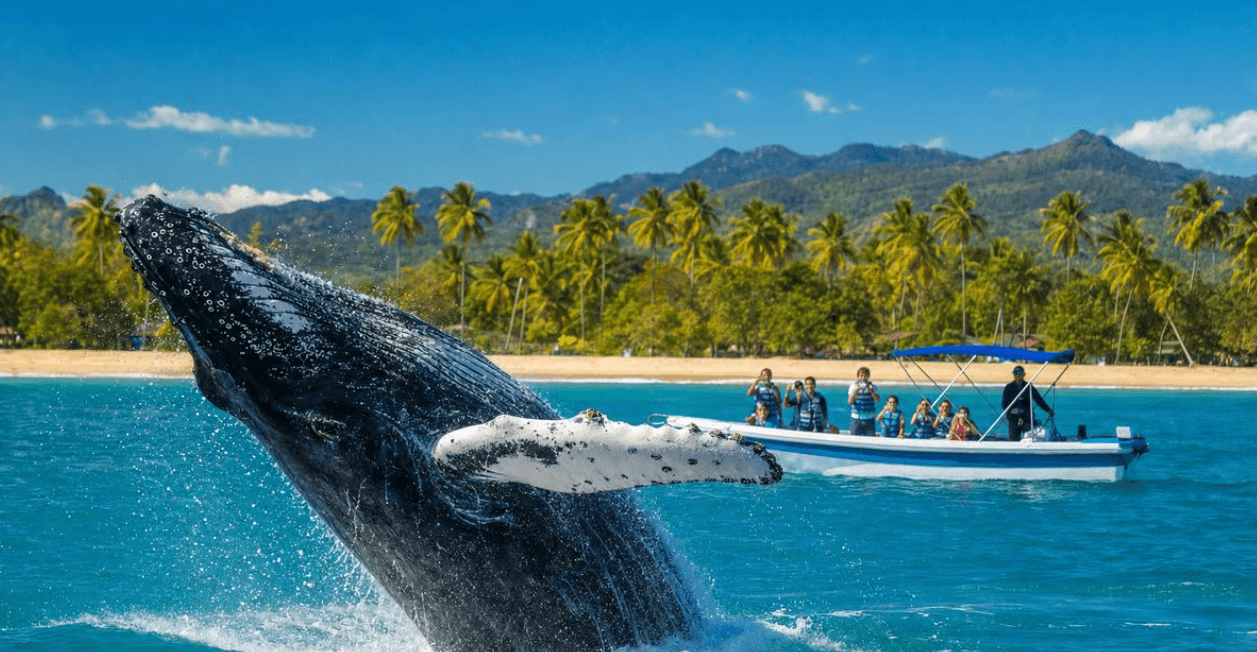
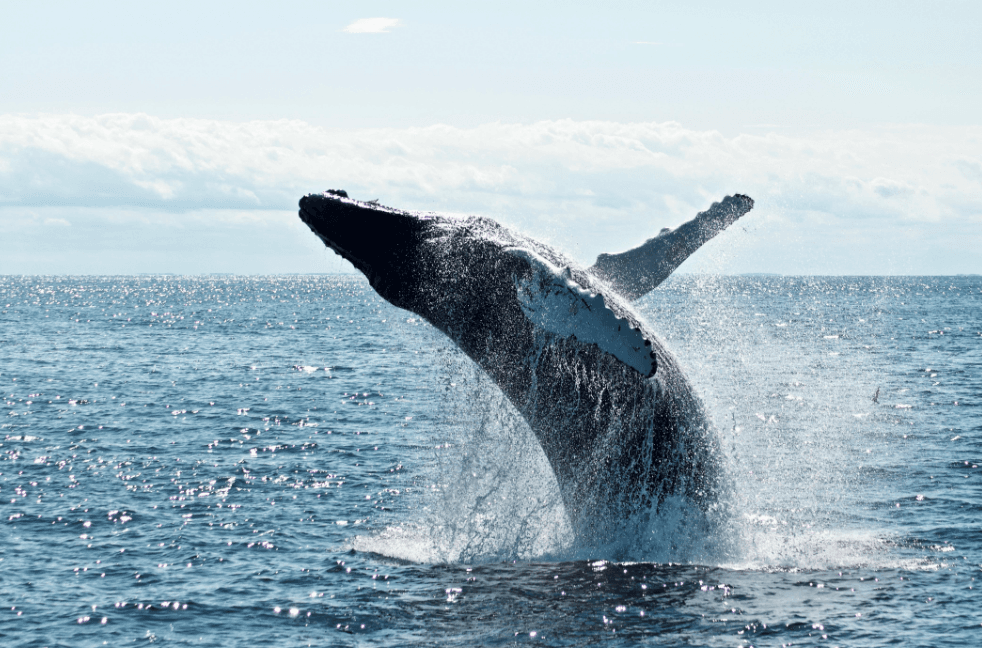
During the season, visitors may have opportunities to observe whales surfacing, lifting their tails, breaching, or swimming near other whales. However, wildlife encounters are never completely predictable, and sightings or particular behaviors cannot be guaranteed.
Several features make Samaná attractive to whale watchers:
- Seasonal whale activity: Humpback whales return to the wider Dominican Republic region during the northern winter.
- Scenic surroundings: The bay is framed by green hills, coastal communities, and Caribbean scenery.
- Boat-based viewing: Organized excursions provide opportunities to observe whales from the water.
- Additional attractions: Visitors can explore beaches, waterfront areas, islands, and nature destinations as part of a broader Samaná itinerary.
For travelers interested in wildlife, the experience combines outdoor adventure with an opportunity to learn about marine mammals and their migration.
When Is Whale-Watching Season in Samaná in 2027?
The usual humpback whale season in the Dominican Republic runs approximately from January through March, with activity potentially extending beyond those months. February is commonly considered a particularly promising month to plan a trip.
These are general seasonal expectations, not a guarantee of whale sightings on a specific date. Conditions, whale movements, and excursion operations can vary.
Choosing the right month
January: A good month to consider if you are planning a winter Caribbean holiday and want to include whale watching in your itinerary.
February: Often a popular choice for visitors hoping to experience the main part of the season. It is sensible to arrange your excursion in advance and confirm current operating details.
March: Another month worth considering, although the timing and amount of whale activity may vary as the season progresses.
Outside the main season: Whale watching should not be assumed to operate in the same way throughout the year. Confirm seasonal schedules before making travel plans specifically for this activity.
For your 2027 visit, check the actual departure dates, meeting point, tour duration, cancellation conditions, and wildlife-viewing arrangements with the operator before paying.
What Happens on a Samaná Whale-Watching Tour?
Most whale-watching experiences involve traveling by boat into designated viewing areas where whales may be present. The exact itinerary depends on the departure location, vessel, sea conditions, and operator.
A typical excursion may involve the following stages:
- Arrival and check-in: Meet the tour provider at the confirmed departure point and complete any required check-in procedures.
- Safety briefing: Listen to the crew's instructions, including information about life jackets, movement around the boat, and responsible wildlife viewing.
- Boat journey: Travel toward the area's whale-viewing waters while enjoying the coastal scenery.
- Wildlife observation: Watch for whales from the designated viewing area, following the crew's instructions and applicable rules.
- Return journey: Travel back to the departure point after the scheduled excursion.
Not every tour follows the same route or includes the same services. Confirm whether transportation, food, drinks, equipment, or visits to other attractions are included rather than assuming they are part of the package.
How to Choose the Best Samaná Whale-Watching Tour
The best excursion depends on your travel arrangements, budget, preferred group size, and expectations.
Group boat tours
A group tour may suit travelers who want to join an organized excursion without arranging a private vessel. Before booking, check the maximum group size, departure location, expected duration, and what is included in the advertised price.
Private whale-watching trips
A private excursion may be worth considering for families, couples, photographers, or small groups who value a more personalized arrangement.
However, private does not automatically mean a better wildlife encounter. Ask about the vessel, crew, itinerary, safety provisions, and responsible viewing practices before choosing.
Combined excursions
Some itineraries may combine whale watching with other attractions, such as a beach visit or an island excursion. These combinations depend on the provider and schedule.
Check how much time is allocated to whale watching and whether the additional stops are genuinely included in the price. A combined trip should fit your priorities rather than simply add more stops to a busy day.
Questions to ask before booking
- What is the confirmed departure point?
- How long does the excursion last?
- Is hotel pickup available from my accommodation?
- What is included in the quoted price?
- Are children permitted, and are there any age restrictions?
- What happens if weather or sea conditions prevent departure?
- What is the cancellation and refund policy?
- What is the operator's policy if whales are not spotted?
A responsible operator should explain the applicable terms clearly and avoid promising guaranteed sightings.
Can You Go Whale Watching in Samaná from Punta Cana?
Yes, you can plan a trip from Punta Cana to the Samaná region, but the practical details matter.
Punta Cana and Samaná are separate destinations, so you should not assume that a whale-watching boat departs directly from your Punta Cana resort. Depending on the product, the trip may involve road transportation, a transfer to a departure point, and a boat excursion.
Before booking a day trip, compare:
- Total road travel time in both directions.
- Pickup arrangements and the pickup area covered.
- The boat's departure time and check-in requirements.
- Total excursion duration, including transportation.
- Meal arrangements and other inclusions.
- Cancellation conditions and arrangements for poor weather.
Travelers who prefer a less rushed experience may want to stay overnight in the Samaná area and arrange whale watching locally.
If you are comparing organized trips, review the complete itinerary rather than choosing based only on the advertised price.
Where Should You Stay for Whale Watching?
Your accommodation choice depends on whether whale watching is the main purpose of your trip or one part of a longer Dominican Republic holiday.
Staying in Samaná
Staying in or near the town of Samaná can make it easier to organize an excursion departing from the local area, subject to the operator's confirmed meeting point.
It can also give you time to explore the waterfront and nearby attractions without rushing back to another resort the same day.
Staying in Las Terrenas
Las Terrenas is another option for visitors exploring the Samaná Peninsula. If you stay here, verify how you will reach the whale-watching departure point and whether the operator offers transportation.
Staying in Punta Cana
Punta Cana can work for travelers who want to arrange an organized excursion from their existing holiday base. However, a long journey may reduce the time available for other activities, so carefully assess the full itinerary.
Wherever you stay, confirm the pickup address, departure location, and return arrangements before finalizing your booking.
What Should You Bring?
Packing appropriately can make your boat trip more comfortable.
Consider bringing:
- Sunscreen suitable for your activities.
- A hat and sunglasses secured against wind.
- Lightweight, comfortable clothing.
- A light waterproof jacket or windbreaker.
- Drinking water, subject to the tour provider's rules.
- A camera or phone with a secure strap.
- Motion-sickness remedies, if appropriate for you and used according to their instructions.
- Any personal medication you may need.
- A small waterproof bag for valuables.
Wear practical footwear and follow the crew's instructions when moving around the vessel. Avoid bringing unnecessary valuables or loose items that could fall into the water.
If you are prone to seasickness, discuss appropriate prevention options with a qualified healthcare professional before the trip.
Responsible Whale Watching: Protect the Wildlife
Seeing humpback whales in the wild is a privilege. Responsible viewing helps reduce disturbance to the animals and supports the long-term value of wildlife tourism.
Choose operators who follow applicable Dominican Republic regulations and established whale-watching guidance.
During your excursion:
- Follow the crew's instructions at all times.
- Do not attempt to touch, feed, chase, or harass whales.
- Do not encourage a boat to approach an animal beyond permitted limits.
- Avoid actions that could disturb mothers and calves.
- Keep noise and disruptive behavior to a minimum.
- Never enter the water to approach whales unless an activity is expressly lawful and professionally authorized.
The purpose of a wildlife excursion is to observe animals without interfering with their natural behavior. A responsible operator should put safety and conservation ahead of obtaining a close-up photograph.
Other Things to Do Around Samaná
Whale watching can be part of a broader trip to the Samaná Peninsula.
Depending on your schedule, interests, and the availability of excursions, you could consider:
Cayo Levantado: An island destination known for its beach scenery. Check access arrangements and whether a visit can be combined practically with your whale-watching plans.
Los Haitises National Park: A protected natural area known for its mangrove environments, limestone formations, and caves. A separate excursion may be more practical than trying to fit every attraction into a single day.
El Limón Waterfall: A well-known waterfall destination on the Samaná Peninsula. Check local access and transport arrangements before visiting.
Samaná's waterfront: Spend time exploring the town, enjoying the coastal atmosphere, and planning meals around your excursion schedule.
Do not assume these activities are included in a whale-watching ticket. Confirm the itinerary and allow enough time for transportation between destinations.
Frequently Asked Questions
Is February a good time for whale watching in Samaná?
February is generally considered a promising month because it falls within the usual January-to-March season. Nevertheless, no particular date can guarantee a sighting.
Are whale sightings guaranteed?
No. Whales are wild animals, and their presence cannot be guaranteed. Read the operator's written policy concerning missed sightings before booking.
How long does a whale-watching trip take?
Duration varies by tour, departure point, and itinerary. Ask for the total time, including check-in and transportation if a transfer is included.
Is whale watching suitable for children?
It can be suitable for families, depending on the vessel, sea conditions, children's ages, and operator requirements. Confirm age restrictions, safety provisions, and any relevant accessibility considerations.
Should I book in advance for 2027?
Booking ahead is worth considering if your travel dates are fixed, particularly during the popular part of the season. Verify the operator's actual schedule and terms rather than relying on an unconfirmed timetable.
Can I combine whale watching with Cayo Levantado?
Potentially, depending on the operator and itinerary. Check whether the combination is explicitly offered, how much time is allocated to each activity, and whether the additional visit has a separate charge.
What happens if the weather is bad?
The operator may change, delay, or cancel an excursion if conditions are unsafe. The applicable refund or rescheduling arrangements depend on the booking terms, so read them before paying.
Is a private whale-watching tour worth the extra cost?
It may be worthwhile if you value a private arrangement or a more flexible experience. Compare the actual vessel, group size, services, and itinerary rather than assuming every private tour offers the same benefits.
Plan Your Samaná Whale-Watching Trip for 2027
Samaná offers a memorable opportunity to learn about humpback whales while experiencing one of the Dominican Republic's distinctive coastal destinations. With the main season generally falling in the first months of the year, planning ahead can help you coordinate your excursion with flights, accommodation, and other activities.
Start by selecting your travel dates, confirming the departure point, and comparing tours based on safety, inclusions, transportation, and cancellation terms. Most importantly, choose a responsible provider and approach wildlife viewing with realistic expectations.
Ready to plan your excursion? Explore the available Samaná whale-watching options, verify the itinerary and price, and confirm the booking conditions before reserving your place.

Local explorer & expert guide in Whales of Samaná.