Samaná Whale Watching With Kids: What Families Should Know
Planning a family vacation in the Dominican Republic can be an opportunity to introduce children to nature in a memorable way. For families visiting the Samaná Peninsula, seasonal whale watching offers a chance to learn about humpback whales and experience the marine environment together.
However, taking children on a boat excursion requires a little more preparation than planning an ordinary sightseeing activity. Parents need to consider age restrictions, boat conditions, trip duration, sun exposure, motion sickness, and the needs of each child.
This guide explains how to plan Samaná whale watching with kids, what to check before booking, and how to help your family enjoy the experience responsibly.
Why Consider Whale Watching for a Family Vacation?
Whale watching can combine outdoor exploration, wildlife observation, and informal learning. Instead of seeing whales only in books or documentaries, children may have the opportunity to observe these marine mammals in their natural environment.
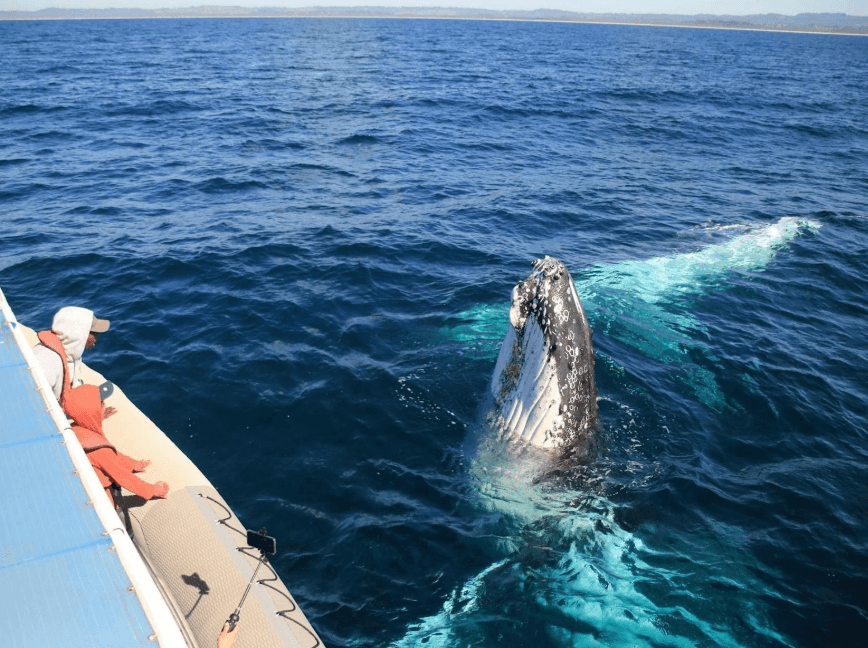
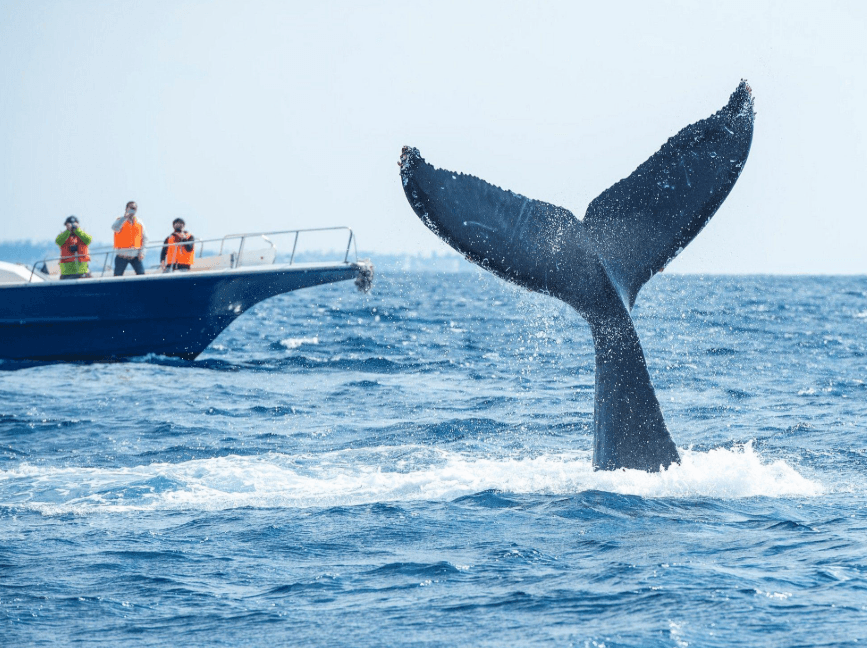
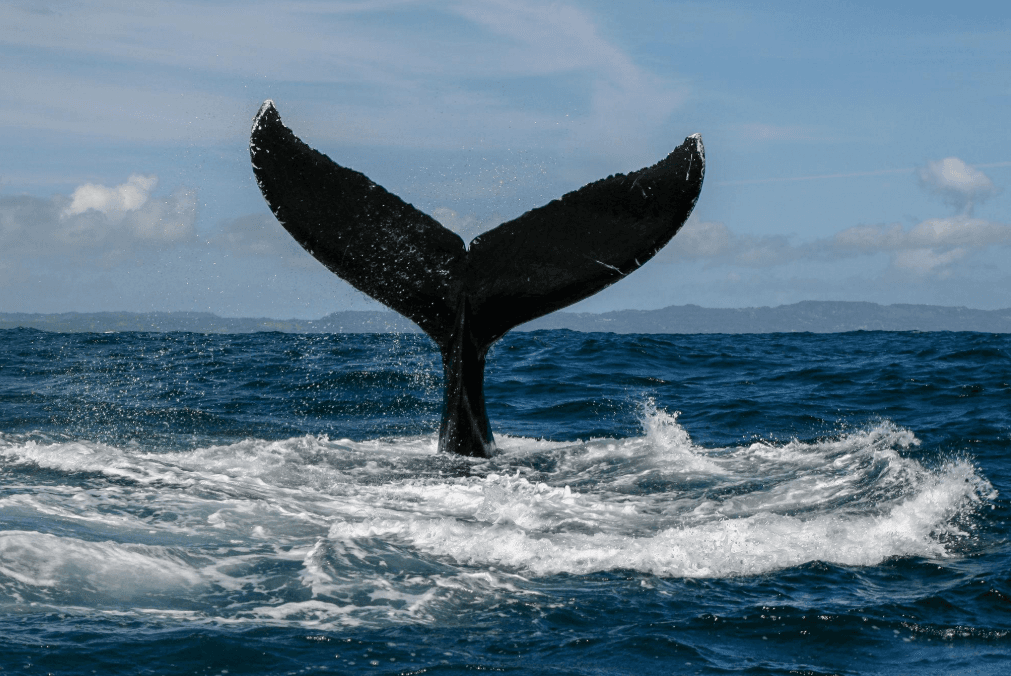
A humpback whale surfacing to breathe or lifting its tail above the water can create a memorable moment for the whole family.
The excursion can also encourage children to ask questions about migration, ocean habitats, marine conservation, and the importance of protecting wild animals.
Nevertheless, every child is different. Some children enjoy boat trips and unfamiliar experiences, while others may find the noise, movement, or waiting time uncomfortable. Consider your child's temperament and previous experience on boats before deciding whether the activity is suitable.
When Can Families Go Whale Watching in Samaná?
Samaná is associated with the seasonal migration of humpback whales into Dominican Republic waters during the winter and early spring.
The main whale-watching season is generally January through March, although sightings and operating conditions vary. Families planning a 2027 vacation should confirm the current season dates and tour schedules with a reputable local operator.
Booking during the expected season does not guarantee that children will see a whale breach or observe a particular behavior. Wildlife sightings depend on natural conditions.
When planning your dates, allow flexibility where possible. Avoid arranging your entire vacation around a single wildlife excursion if missing it would significantly affect your plans.
Are Samaná Whale-Watching Tours Suitable for Children?
Some whale-watching excursions accept children, but age limits, safety requirements, and suitability vary by operator and vessel.
Before booking, ask the tour provider:
- What is the minimum age for children?
- Are infants or toddlers permitted?
- Must children wear life jackets throughout the trip?
- How long will the boat be on the water?
- Are toilets and shaded seating available?
- Is the vessel suitable for your child's mobility needs?
- What happens if weather conditions change?
Do not assume that a tour advertised as family-friendly is appropriate for every age group.
For younger children, the length of the excursion and the availability of basic facilities can be especially important. If your child struggles with long periods of sitting, unfamiliar sounds, or boat movement, discuss these concerns with the operator before booking.
Choosing the Right Excursion for Your Family
The most suitable tour is one that meets your family's practical needs while following safety and wildlife-protection requirements.
Check the trip duration
Ask how long the complete experience lasts and how much time will be spent on the boat. If transportation to the departure point is included, clarify whether that travel time is part of the advertised duration.
A shorter outing may be easier for younger children, although availability and trip options depend on the operator.
Ask about seating and shade
Children may become uncomfortable when exposed to direct sunlight for long periods. Find out whether the vessel has shaded seating and whether passengers can sit comfortably during the journey.
Bring appropriate sun protection regardless of the facilities available.
Compare passenger capacity
Ask how many passengers the boat carries and what seating arrangements are provided. Your family may prefer an excursion with clearly explained passenger limits and enough room to sit comfortably.
Do not choose a vessel based only on its size or appearance. Safety procedures, maintenance, crew qualifications, and compliance with local requirements are essential considerations.
Confirm the departure point
Samaná-area excursions can have different departure arrangements. Confirm the exact meeting point, check-in time, parking or transfer options, and estimated return time.
If you are staying outside the peninsula, calculate the total travel time before committing to a departure.
Preparing Children for Their First Whale-Watching Trip
Children often enjoy an excursion more when they know what to expect.
Explain that whales are wild animals and may not appear immediately. They might see a spout, a back at the surface, or a tail before seeing more of the animal.
Tell children that the crew's instructions are important and that everyone must remain seated or move around only when it is safe to do so.
You can also introduce basic whale facts before the trip. For example, explain that humpback whales breathe air, migrate seasonally, and use their large tails to help propel themselves through the water.
For younger children, a simple wildlife book or a short educational video can help build excitement without promising specific sightings.
What Should Families Pack?
A small, well-prepared bag can make the day more comfortable.
Consider bringing:
- Sunscreen suitable for your family.
- Hats and sunglasses with secure straps.
- Drinking water, following the operator's guidance.
- Lightweight clothing appropriate for the weather.
- A light extra layer in case of wind or spray.
- Any permitted snacks needed for your children.
- Tissues and basic personal supplies.
- A secure phone or camera strap.
- Motion-sickness supplies, if appropriate for your child and used according to professional guidance.
Keep valuables to a minimum and follow the operator's instructions about what can be carried aboard.
If your child has specific dietary, mobility, or medical needs, discuss these with the relevant professional and the tour provider before departure.
Helping Children Stay Comfortable on the Boat
Boat movement can affect passengers differently. Some children may feel perfectly comfortable, while others may experience nausea or anxiety.
If your child has never been on a boat, explain what the experience may feel like. Let them know that it is normal for the vessel to move with the water.
Follow the crew's advice about where passengers should sit and how they should move around. Keep children away from restricted areas and never allow them to lean over railings.
If your child is prone to motion sickness, ask a healthcare professional about appropriate preventive measures before the trip. Do not give medication unless it is suitable for your child's age and circumstances.
Parents should also consider whether the expected sea conditions and duration are reasonable for their children.
What Might Children See During the Excursion?
The main wildlife attraction is the humpback whale. Depending on the day, families may observe whales surfacing to breathe, swimming near the surface, displaying their tails, or engaging in other natural behaviors.
A breach, in which a whale launches much of its body above the water, is possible but never guaranteed.
Children may also enjoy the surrounding coastal scenery and the experience of traveling across the bay.
Use the excursion as an opportunity to teach patience. Sometimes wildlife watching involves waiting, scanning the water, and listening to the guide rather than seeing continuous action.
If whales are not immediately visible, encourage children to notice the environment and ask questions. This can make the outing rewarding even when sightings are brief.
Teaching Children to Respect Marine Wildlife
A family whale-watching trip can help children understand why wild animals need space.
Explain that whales are not performers and cannot be expected to jump, swim closer, or remain in view for photographs.
Everyone should follow the crew's instructions and the applicable whale-watching rules. Boats should not chase whales, deliberately surround them, or approach closer than permitted.
Children should remain seated or in designated passenger areas as directed. They should never attempt to touch or feed marine wildlife.
Parents can reinforce these lessons by choosing operators that explain their wildlife-protection practices and prioritize responsible observation.
Learning to watch wildlife respectfully is an important part of the experience.
What If Your Child Gets Bored?
Not every moment of a whale-watching trip is dramatic. There may be periods when passengers wait for a sighting or travel between locations.
Prepare children for this possibility rather than promising constant activity.
Depending on the operator's rules, you might bring a small wildlife checklist or encourage children to notice seabirds, cloud shapes, and the coastline.
Ask simple questions such as:
- What signs might tell us that a whale has surfaced?
- Why do whales need to breathe air?
- Why should boats give whales space?
- What can people do to protect the ocean?
Avoid distracting children from safety instructions or encouraging them to move around the boat unnecessarily.
Safety Tips for Parents
Before departure, make sure you understand the vessel's safety procedures and your responsibilities as a parent or guardian.
Confirm the operator's requirements for children's life jackets and make sure the crew explains how they should be worn. Keep children under close supervision throughout the excursion.
Follow all instructions about seating, movement, boarding, and disembarking. Never assume that a child can safely move around the vessel without an adult.
Check the forecast and follow the operator's decisions about whether conditions are suitable for departure. If you have doubts about the trip's suitability for your family, ask questions before paying.
If a child has significant mobility needs, sensory sensitivities, or other concerns that could affect the experience, communicate them to the provider in advance.
How Much Does Family Whale Watching Cost?
The total cost depends on the tour operator, package, departure location, group size, and any included transportation or extras.
When requesting a price, ask whether children have different rates and whether infants or toddlers require tickets. Confirm any minimum passenger requirements and additional fees.
Compare the full price rather than just the advertised starting rate.
A package that includes convenient transfers may cost more initially but could simplify logistics for a family staying far from the departure point. Another package may be better value if you can reach the meeting point independently.
Prices and inclusions can change, so request the current terms for your travel dates in 2027.
Should You Book in Advance?
Booking in advance can help families compare excursions, check age requirements, and secure a preferred date during the popular whale-watching season.
Before paying, review the cancellation policy, refund terms, rescheduling options, and weather-related procedures.
Confirm your meeting location, arrival time, trip duration, and the specific services included.
If your schedule is flexible, ask the operator what options are available if weather conditions prevent departure. Do not assume that a free replacement trip or refund is guaranteed unless the written policy says so.
Combining Whale Watching With Other Family Activities
Families visiting Samaná may want to explore other attractions during their stay. Depending on your schedule, interests, transportation, and children's ages, you could consider beaches, scenic viewpoints, or other nature-based activities.
Avoid packing too many activities into one day. A whale-watching excursion can involve an early start, road travel, and several hours of activity, depending on the package.
Allow time for meals, rest, and unexpected delays. A more relaxed itinerary may be easier for children than a schedule with multiple long excursions.
Check the location and opening arrangements of any additional attractions before building them into your plan.
Frequently Asked Questions
What is the best age for children to go whale watching?
There is no universal best age. The appropriate age depends on the operator's rules, vessel conditions, trip duration, and the child's ability to follow safety instructions. Confirm minimum-age requirements before booking.
Can toddlers go whale watching in Samaná?
Some excursions may have restrictions for toddlers or infants. Ask the operator about age limits, life jackets, seating, restroom facilities, and the suitability of the trip before making a reservation.
When is whale-watching season in Samaná?
The season is generally associated with January through March. Exact dates and sightings vary, so verify current local information for your planned travel dates.
Will my children definitely see a whale?
No wildlife sighting can be guaranteed unless an operator's specific written terms say otherwise. Even during the main season, sightings and whale behaviors vary.
What should children wear on a whale-watching boat?
Lightweight clothing, sun protection, and secure footwear are sensible starting points. Follow the operator's recommendations for the expected conditions and any safety requirements.
Is whale watching safe for families?
Suitability depends on the vessel, operating conditions, the child's needs, and the operator's safety practices. Review the safety arrangements and age restrictions carefully before booking.
Final Thoughts
Samaná whale watching with kids can be a memorable family experience when it is planned around children's needs and realistic expectations.
Choose an excursion with clear age policies, appropriate safety arrangements, suitable facilities, and responsible wildlife-viewing practices. Prepare children for the possibility of waiting, follow the crew's instructions, and allow them to enjoy the experience without expecting a particular whale display.
With thoughtful planning, a whale-watching trip can become more than a vacation activity: it can help children develop curiosity about marine wildlife and a lasting appreciation for the natural world.

Local explorer & expert guide in Whales of Samaná.