Discover Samaná Bay: Whale Watching in 2027
Samaná Bay is one of the Dominican Republic's most remarkable destinations for travelers interested in marine wildlife. Each winter, humpback whales migrate into the region's warm waters, creating a seasonal opportunity to observe these enormous marine mammals in their natural environment.
For visitors planning a Caribbean adventure in 2027, a Samaná Bay whale-watching experience offers more than a boat ride. It provides an opportunity to discover a distinctive coastal ecosystem, learn about whale behavior, and experience a different side of the Dominican Republic beyond its beaches and resorts.
Whether you are visiting the peninsula for the first time or returning to explore more of the country's natural attractions, understanding the bay, the wildlife, and the excursion experience can help you make better decisions.
What Makes Samaná Bay Special?
Samaná Bay lies along the northeastern coast of the Dominican Republic. Its surrounding coastline, nearby communities, and marine environment make it an important destination for nature-based tourism.
The bay is particularly well known for its seasonal association with North Atlantic humpback whales. These whales migrate from feeding areas in colder North Atlantic waters to warmer Caribbean breeding grounds during the winter months.
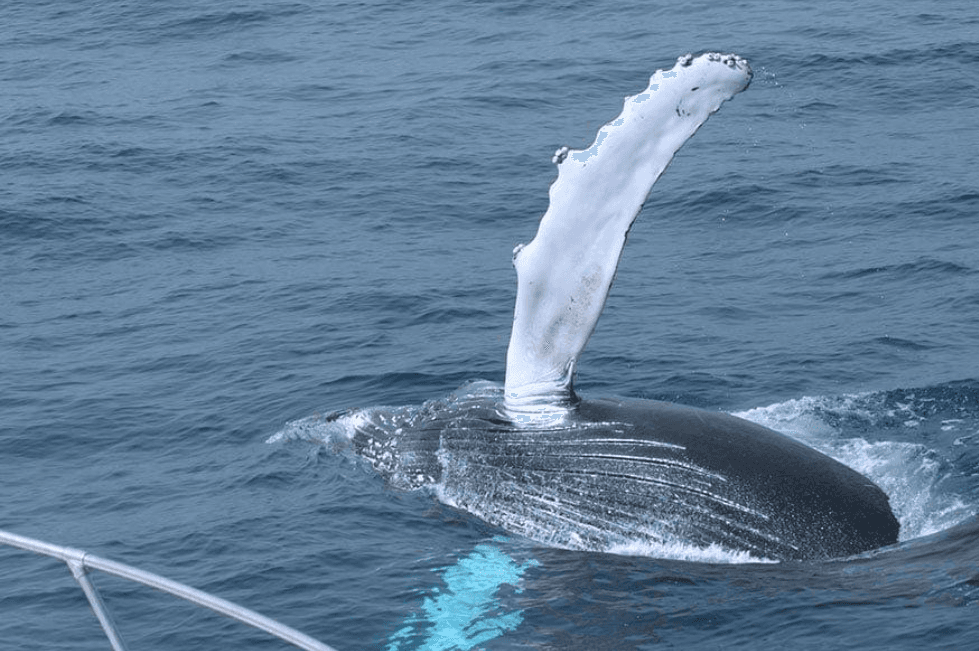
During the season, visitors may have opportunities to observe whales surfacing, lifting their tails, or displaying other natural behaviors. The experience varies because the animals move freely through their environment.
The surrounding region also offers coastal scenery and access to other attractions, making Samaná a useful destination for travelers who want to combine wildlife experiences with a broader Caribbean itinerary.
Why Visit During the 2027 Whale-Watching Season?
The main whale-watching period in Samaná generally falls between January and March. Exact activity varies from year to year, so travelers should confirm current operating schedules before arranging an excursion.
Planning ahead is particularly helpful if whale watching is one of the main reasons for visiting the Dominican Republic.
Before choosing a date, consider your accommodation, transportation arrangements, the location of the tour's departure point, and how much flexibility you have in your itinerary.
It is also important to remember that whales are wild animals. No particular date can guarantee a breach, a close observation, or even a sighting on every trip.
A responsible operator should explain realistic expectations and follow the applicable rules for observing whales.
What Can You Experience on a Whale-Watching Excursion?
A typical excursion takes passengers by boat into an area where whales may be present. The precise route, duration, and viewing opportunities depend on the operator, departure point, sea conditions, and wildlife activity.
Observing humpback whales
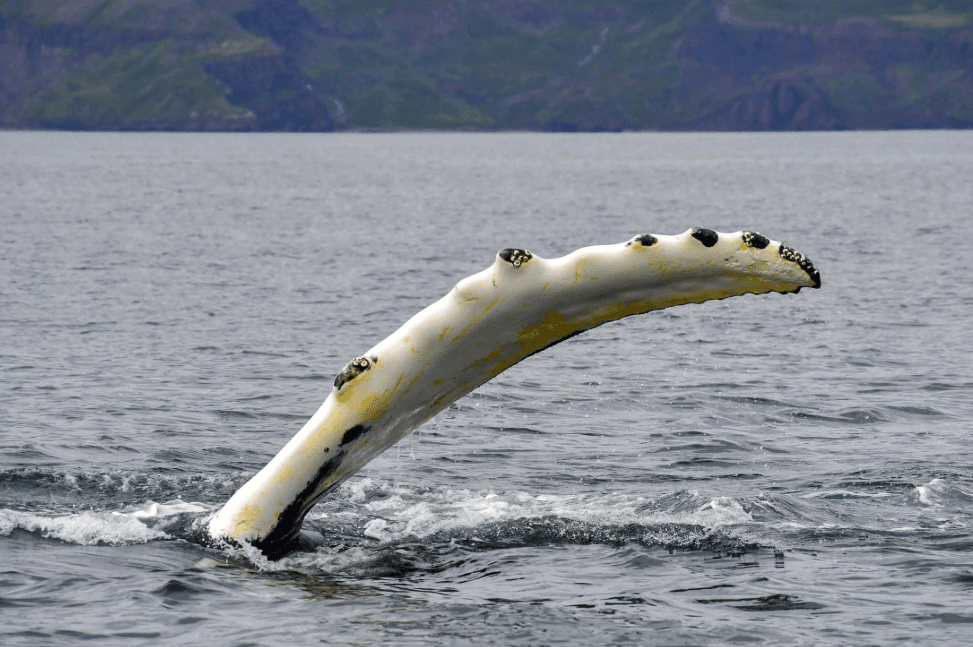
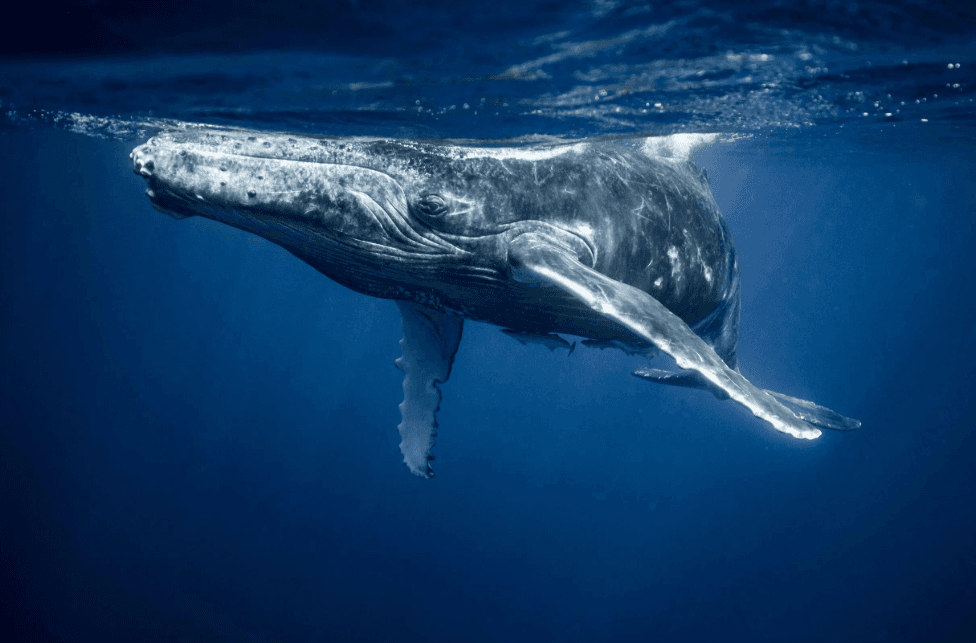
Humpback whales are known for their large pectoral fins, distinctive tail flukes, and varied surface behaviors. Depending on the encounter, visitors may see a whale rise to breathe, expose its tail before diving, or move along the water's surface.
Some encounters are brief, while others allow passengers to observe activity over a longer period. Wildlife behavior is unpredictable, which is part of what makes the experience different on every outing.
Learning about marine wildlife
A whale-watching trip can also help visitors understand migration, reproduction, and the ecological importance of protecting marine mammals.
If your excursion includes a guide, ask questions about the whales, their migration, and the local rules governing wildlife observation.
Enjoying the coastal landscape
Even when whales are not immediately visible, the surrounding seascape can be an important part of the journey. The coastline, open water, and views of the Samaná region offer a different perspective from exploring the peninsula by road.
How to Choose the Right Whale-Watching Tour
Not every excursion offers the same experience. Some tours may focus primarily on whale watching, while others may combine the activity with additional sightseeing.
Before booking, compare the following details.
Tour featureWhat to confirmDeparture locationExact meeting point and access arrangementsDurationExpected time on the waterTransportationWhether transfers are includedGroup sizeApproximate number of passengersPriceTotal cost and any additional chargesSafetyAvailable safety equipment and crew instructionsInclusionsFood, drinks, guide services, and other featuresCancellation policyOptions if the trip is changed or canceledWildlife practicesHow the operator follows local observation rules
Do not choose solely on the basis of photographs or claims about guaranteed whale encounters. A suitable excursion should match your practical needs and provide clear information before payment.
You can explore the tour listings at Whales of Samaná as a starting point for comparing available options. Confirm current prices, itineraries, and availability directly with the operator.
Responsible Whale Watching Matters
The long-term value of Samaná's whale-watching season depends on protecting the animals and their environment.
Whale-watching operations in the Dominican Republic are subject to rules intended to manage vessel activity and reduce disturbance. Visitors should choose operators that understand and follow the applicable requirements.
During an excursion:
- Follow the captain's and guide's instructions.
- Avoid encouraging boats to approach whales inappropriately.
- Never attempt to touch, chase, or swim toward wild whales.
- Keep your belongings secure and remain within designated passenger areas.
- Avoid treating a dramatic photograph as more important than wildlife protection.
A responsible excursion prioritizes safety, respectful observation, and the natural behavior of the animals.
What Should You Bring?
Preparing a few essentials can make your time on the water more comfortable.
Consider packing:
- Sunscreen and sunglasses.
- A secure hat.
- Comfortable clothing suitable for changing conditions.
- A lightweight windbreaker.
- Drinking water, subject to the operator's policies.
- A camera or phone with a secure strap or waterproof protection.
- Any necessary personal medication.
If you are concerned about motion sickness, seek appropriate advice before your trip and follow the instructions for any medication you use.
Check with your operator about the availability of shade, restrooms, refreshments, and life jackets rather than assuming every boat provides identical facilities.
Can You Combine Whale Watching with Other Samaná Attractions?
Depending on your schedule and the excursions available, you may be able to explore additional destinations during your visit.
Cayo Levantado is known for its island scenery and beaches. Los Haitises National Park offers a different nature experience, with mangroves, limestone formations, and distinctive coastal habitats. El Limón Waterfall is another attraction that visitors may consider when exploring the peninsula.
These experiences are not automatically included in whale-watching tours. Before purchasing a combined itinerary, verify transportation arrangements, total duration, additional costs, and whether the schedule allows sufficient time at each destination.
For some travelers, separating whale watching from other sightseeing activities may provide a more relaxed experience.
Frequently Asked Questions
Where is Samaná Bay?
Samaná Bay is on the northeastern coast of the Dominican Republic. It is associated with the peninsula of Samaná and is known for its coastal scenery and seasonal humpback whale activity.
When can I go whale watching in Samaná in 2027?
The usual season is January through March. Confirm the relevant operator's authorized operating dates and available departures before making reservations.
Are whale sightings guaranteed?
No. Humpback whales are wild animals, and their movements cannot be predicted with certainty. Ask your operator about its written policy if a trip does not result in a sighting.
Is whale watching suitable for first-time visitors?
It can be a memorable activity for first-time visitors, provided they choose an appropriate excursion, understand the practical arrangements, and follow the crew's safety instructions.
Can I take photographs during the trip?
Photography is generally possible, but conditions on a moving boat can make it challenging. Secure your equipment, follow crew instructions, and prioritize safe and responsible observation.
Should I book a whale-watching tour before arriving?
Booking in advance can help you organize transportation and compare tour options. Verify current availability, meeting arrangements, prices, and cancellation conditions before paying.
Plan Your Samaná Bay Adventure
Samaná Bay offers an opportunity to experience the Dominican Republic through its marine wildlife and coastal environment. A well-planned whale-watching excursion can be an engaging addition to a Caribbean holiday, whether you are traveling as a couple, with family, or as part of a larger group.
For 2027, focus on choosing an appropriate departure point, checking the details of your selected excursion, and respecting the wildlife that draws visitors to the region.
Explore the available Samaná whale-watching tours, compare the options that fit your itinerary, and confirm the details before booking.
The best experience combines realistic expectations, careful preparation, and respect for the natural environment.

Local explorer & expert guide in Whales of Samaná.