Samaná Whale Watching: Everything You Need to Know Before Your 2027 Trip
Samaná whale watching is one of the most exciting wildlife experiences in the Dominican Republic. Every year, North Atlantic humpback whales migrate to the warm waters around Samaná Bay, giving visitors an opportunity to observe these magnificent marine mammals in their natural environment.
If you are planning a trip in 2027, this guide will help you understand the whale-watching season, compare boat tour options, prepare for your excursion, and plan your journey to Samaná. Whether you are visiting from Punta Cana, staying in Las Terrenas, or exploring the peninsula independently, a little preparation can make your experience more enjoyable.
The main whale-watching season generally falls between January and March. Exact operating dates, authorized tour arrangements, and availability should always be confirmed before booking.
Why Is Samaná Famous for Whale Watching?
Samaná Bay is a recognized seasonal destination for North Atlantic humpback whales. These whales migrate from colder northern feeding grounds to warmer tropical waters associated with breeding and calving.
The region combines marine wildlife with beautiful coastal scenery, green mountains, beaches, and traditional Dominican communities. This makes Samaná an attractive destination for travelers interested in nature, photography, and outdoor excursions.
During a whale-watching trip, visitors may have the opportunity to observe several natural behaviors:
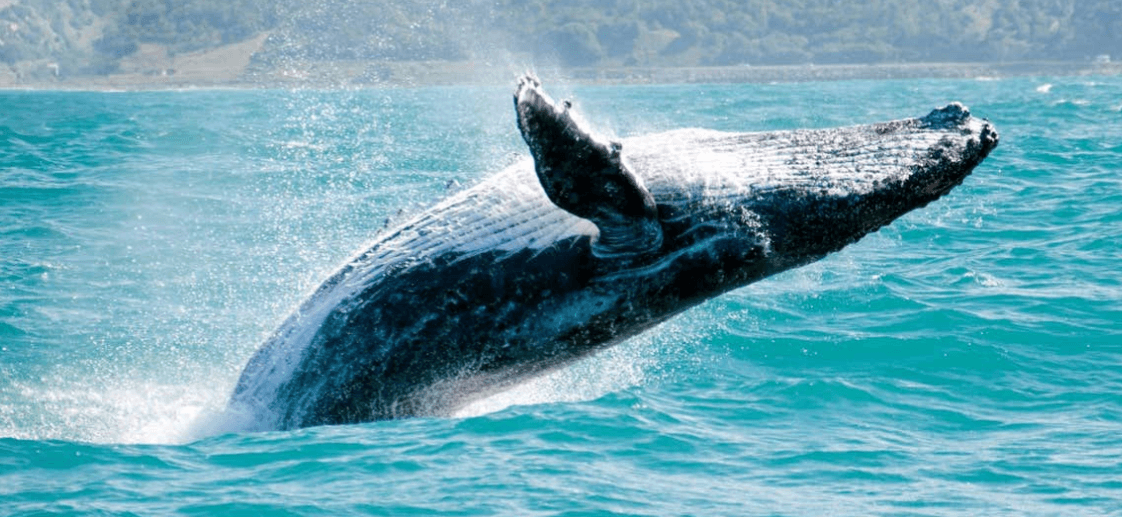
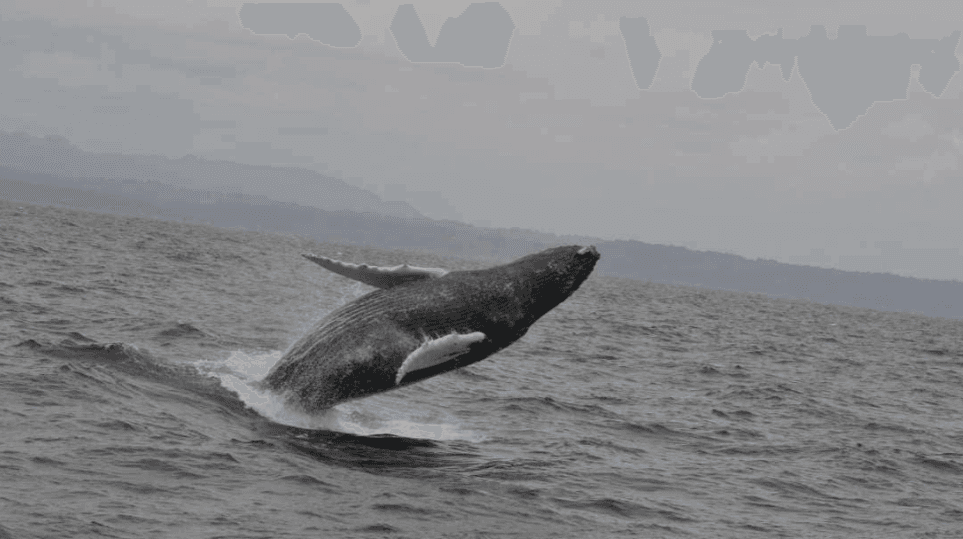
- Breaching: A whale launches part or most of its body above the water.
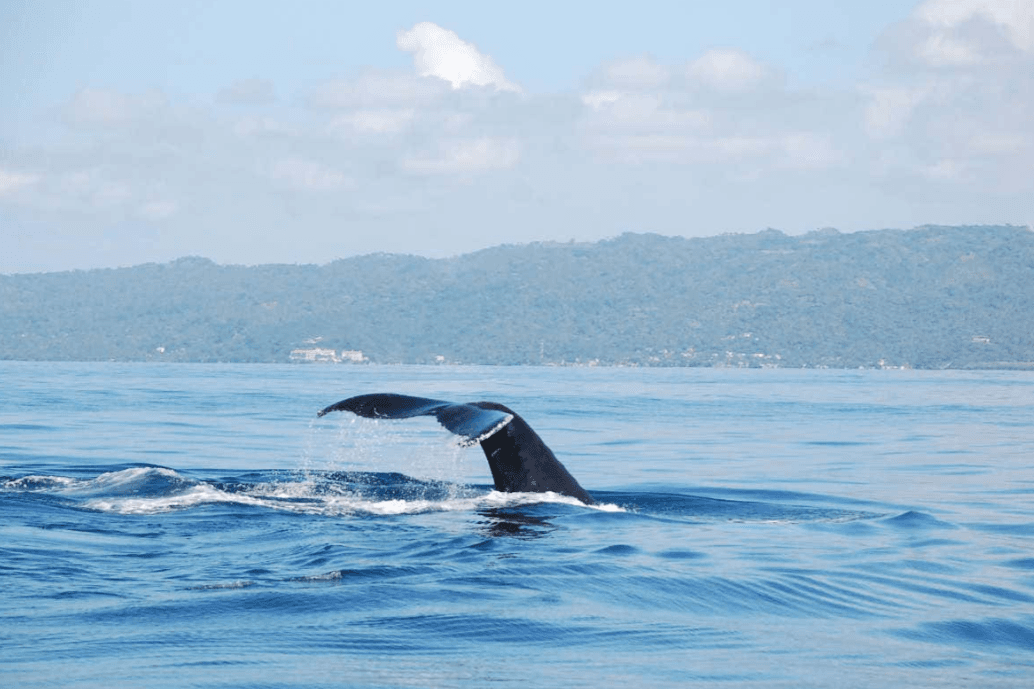
- Tail slapping: A whale strikes the surface with its tail flukes.
- Pectoral-fin movements: A whale raises or slaps one of its long pectoral fins.
- Surface swimming: Whales swim close enough to the surface to be observed from a boat.
- Mother-and-calf interactions: A mother whale and her calf may sometimes be seen together.
Wildlife behavior is unpredictable. Seeing a particular behavior, a mother and calf, or a specific number of whales cannot be guaranteed.
When Is Whale-Watching Season in Samaná?
The main Samaná whale-watching season generally runs from January through March. This is the period most travelers should consider when planning a whale-watching excursion.
January: Early-season planning
January marks the beginning of the main seasonal window. It can be a good time to plan a winter trip, but travelers visiting early in the month should verify the current operating calendar.
Check whether authorized excursions are running on your preferred date and whether your chosen operator has confirmed availability.
February: A popular time for whale watching
February falls within the core whale-watching season and is a popular month for visitors planning a wildlife excursion.
If you have fixed travel dates, consider arranging your tour in advance. Confirm the departure point, tour duration, transportation arrangements, and cancellation policy before paying.
March: Late-season opportunities
March is another month to consider for Samaná whale watching. However, travelers should verify the seasonal schedule, particularly if planning a trip toward the end of the month.
Can you see whales outside the main season?
The main whale-watching experience is seasonal. If you visit outside the usual January-to-March period, check with local tourism providers about other available excursions rather than assuming whale-watching trips operate throughout the year.
For seasonal planning, consult the official Dominican Republic tourism guide to whale watching in Samaná.
What to Expect on a Samaná Whale-Watching Tour
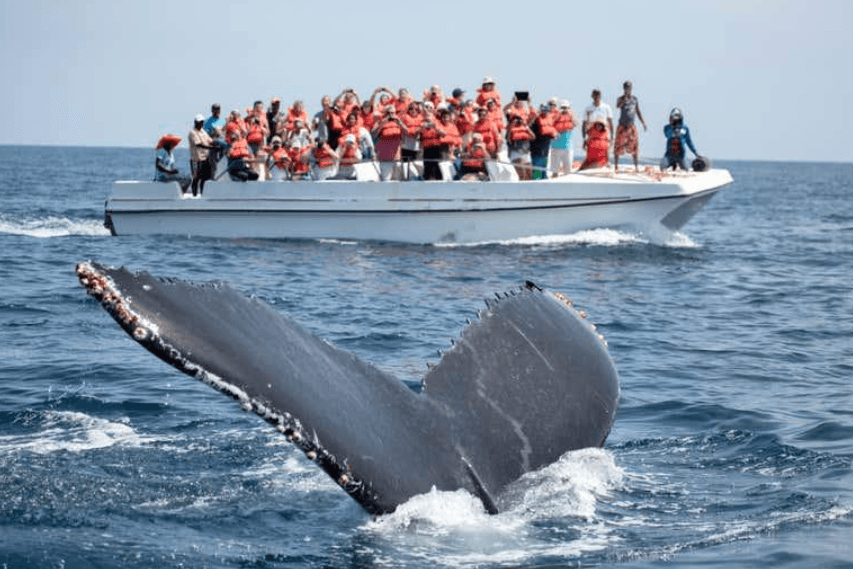
A typical whale-watching excursion involves traveling by boat into a designated observation area with a crew familiar with local conditions and wildlife-viewing requirements.
The exact experience depends on the operator, boat, departure location, weather, and itinerary.
1. Arrival and boarding
Your trip begins at the designated meeting point. Arrive according to the operator's instructions and confirm whether transportation to the departure port is included.
Before boarding, listen to the safety briefing and ask any questions about life jackets, seating, and the expected duration of the excursion.
2. The boat journey
The boat travels toward the whale-observation area. Along the way, you may enjoy views of the Samaná coastline, surrounding hills, and the bay.
Sea conditions can change, and boat travel may be uncomfortable for some passengers. If you are concerned about motion sickness, ask the operator about the type of boat and typical journey conditions.
3. Observing humpback whales
When whales are located, the crew should follow the current rules for responsible whale watching. Observation distances and vessel behavior must comply with applicable regulations.
Keep your hands and belongings inside the boat when instructed. Never attempt to touch, feed, chase, or swim toward the whales.
4. Returning to shore
After the observation period, the boat returns to its designated departure point or continues with any additional activities explicitly included in your confirmed itinerary.
A beach stop, lunch, island visit, or hotel transfer should not be assumed to be included unless the booking details confirm it.
How to Choose the Best Samaná Whale-Watching Tour
Choosing the right excursion depends on your budget, travel schedule, group size, and preferred experience.
Group whale-watching tours
Group tours may be suitable for solo travelers, couples, and visitors who want to share the experience with other passengers.
Before booking, ask about the maximum passenger capacity, boat type, departure point, trip duration, and whether transportation is included.
Private whale-watching tours
Private excursions may be suitable for families, photographers, and groups who prefer a more personalized arrangement.
Compare what is actually included in the private package. Ask about the boat, crew, itinerary, departure time, and any additional services.
A private tour must still follow the applicable wildlife-observation regulations.
Compare prices and inclusions
Before making a reservation, check whether the quoted price includes:
- Boat transportation.
- Hotel pickup or transfers, if offered.
- A guide or crew.
- Food and drinks, if provided.
- Entrance fees or other applicable charges.
- Additional stops listed in the itinerary.
Compare the total package rather than the headline price alone. Tour inclusions and conditions can vary significantly between providers.
Check cancellation and rescheduling conditions
Weather and sea conditions can affect boat excursions. Read the cancellation policy and ask what happens if the operator cancels or changes the itinerary.
A clear booking policy helps you understand your options before committing to a reservation.
How to Get to Samaná for Whale Watching
Your starting location will influence your transportation arrangements and the time you need for the excursion.
From Samaná town
Staying in or near Samaná town can make it easier to arrange a local whale-watching excursion, depending on the operator's departure point.
Confirm the exact meeting location and arrival instructions before traveling.
From Las Terrenas
Las Terrenas is another popular base on the Samaná Peninsula. If you are staying there, check whether the tour operator provides pickup or whether you must arrange transportation to the departure port.
From Punta Cana
Travelers based in Punta Cana should plan carefully because the road journey to Samaná can add substantial time to the overall excursion.
Before booking a day trip, confirm the pickup location, estimated road travel, boat departure, return arrangements, and total duration. Do not assume transportation from Punta Cana is included in every whale-watching package.
From Santo Domingo
Visitors departing from Santo Domingo should compare available transfers and tour arrangements. Depending on your schedule, staying overnight in the Samaná region may provide a more relaxed experience than combining all travel and the boat trip into one day.
From Miches or Sabana de la Mar
Some excursions may operate from departure points outside Samaná town. Availability, routes, and authorized operations can vary, so confirm the precise departure port and itinerary with the provider.
What Should You Bring on a Whale-Watching Trip?
Packing a few practical items can help you stay comfortable during your excursion.
Consider bringing:
- Sunscreen suitable for outdoor activities.
- A hat and sunglasses secured against wind.
- Drinking water, subject to the operator's rules.
- A light jacket or windbreaker.
- A phone or camera with a secure strap.
- A waterproof bag for personal belongings.
- Any personal medication you normally need.
- Comfortable clothing and appropriate footwear.
If you are prone to motion sickness, speak with a qualified healthcare professional or pharmacist about suitable preventive options before your trip. Follow product instructions and consider possible side effects.
Keep valuables secure and follow the crew's instructions when using cameras or other equipment.
Is Samaná Whale Watching Suitable for Children?
Whale watching can be an exciting family activity, but suitability depends on the child, the boat, sea conditions, and the operator's policies.
Before booking, confirm minimum-age requirements, life-jacket availability, seating arrangements, restroom facilities, and the expected duration of the trip.
Explain to children that whales are wild animals. They should follow the crew's instructions, remain in designated areas, and avoid trying to attract or approach the animals.
Choose an operator that puts passenger safety and responsible wildlife viewing first.
Responsible Whale Watching in Samaná
Humpback whales are wild animals, and their natural environment deserves protection. Responsible tourism allows visitors to appreciate these animals without unnecessarily disturbing them.
Before booking, check whether the operator has the required authorization for the relevant season. Follow crew instructions, respect regulated observation distances, and never request that a captain chase or crowd whales for photographs.
Touching, feeding, pursuing, or deliberately disturbing whales is not appropriate wildlife-viewing behavior.
The Dominican Republic's Ministry of Environment publishes information about vessel authorization for whale watching. Its 2027 authorization announcement specifies an application period from October 16 through November 13, 2026. These are administrative application dates, not confirmation of the public tour operating calendar.
For official updates, consult the Dominican Republic Ministry of Environment.
Other Attractions to Explore Around Samaná
If your schedule allows, consider combining your whale-watching trip with other attractions in the region.
Cayo Levantado
Cayo Levantado is known for its island scenery and beaches. Confirm transportation arrangements and whether an island visit is offered separately or included in a particular excursion.
Los Haitises National Park
Los Haitises National Park is known for limestone formations, mangroves, and wildlife. It offers a different nature experience from whale watching and may be suitable for travelers planning a longer visit.
El Limón Waterfall
El Limón Waterfall is a well-known regional attraction. Check local excursion arrangements and the time needed for the visit before combining it with other activities.
Samaná town
Samaná town can be a convenient base for exploring the waterfront, local restaurants, and nearby attractions.
These experiences may require separate bookings. Always verify what your chosen tour includes before planning a combined itinerary.
Frequently Asked Questions About Samaná Whale Watching
When is the best time to see whales in Samaná?
The main season generally runs from January through March. February falls within the core season, but whale sightings are never guaranteed.
Is whale watching in Samaná available in 2027?
Travelers should confirm the official operating calendar and the availability of authorized excursions for their dates before booking.
How long does a whale-watching trip take?
The duration depends on the departure point, boat, operator, and itinerary. Confirm the total time, including check-in, travel, whale observation, and return.
How much does whale watching cost in Samaná?
Prices vary by operator, boat type, group size, departure location, and inclusions. Check current prices directly with providers before making a reservation.
Are whale sightings guaranteed?
No. Humpback whales visit the region seasonally, but individual sightings and behaviors cannot be guaranteed.
What happens if the weather is bad?
Sea conditions may cause delays, itinerary changes, rescheduling, or cancellation. Review the operator's current policy before paying.
Should I book in advance?
Booking ahead can be helpful if you have fixed travel dates, require transportation, or prefer a specific type of tour. Confirm availability and cancellation conditions before reserving.
Can I go whale watching from Punta Cana?
Depending on the available excursion, it may be possible to arrange a trip from Punta Cana. Confirm the complete road journey, boat departure point, transportation inclusions, and total duration.
Plan Your Samaná Whale-Watching Trip for 2027
Samaná whale watching offers an opportunity to experience the Dominican Republic's remarkable marine wildlife in its natural environment. The best preparation starts with choosing suitable travel dates, comparing excursion details, confirming transportation, and selecting an operator that follows current wildlife-viewing requirements.
If you are planning a trip for 2027, review available tours and confirm the itinerary, current price, departure arrangements, and booking conditions before reserving.
Ready to start planning? Visit Whales of Samaná to explore the destination and investigate available excursion options. Confirm the specific tour and booking details directly before making a reservation.
With realistic expectations and responsible planning, you can enjoy a memorable visit to Samaná while respecting the whales and their marine environment.

Local explorer & expert guide in Whales of Samaná.